Arsenic in Groundwater: A Global Health Crisis

yanomami.net – Arsenic contamination in groundwater is a pervasive and severe environmental and health issue affecting millions of people worldwide. This article delves into the extent of the problem, its health impacts, and the global efforts to address this crisis.

The Extent of the Problem

Arsenic contamination in groundwater is a widespread issue, affecting over 1.5 billion people globally. This contamination is not limited to a few regions but is a global phenomenon, with high concentrations of arsenic found in groundwater in over 70 countries. The World Health Organization (WHO) has highlighted that prolonged consumption of arsenic-contaminated water can lead to severe health issues, including various cancers and cardiovascular diseases.

Health Impacts

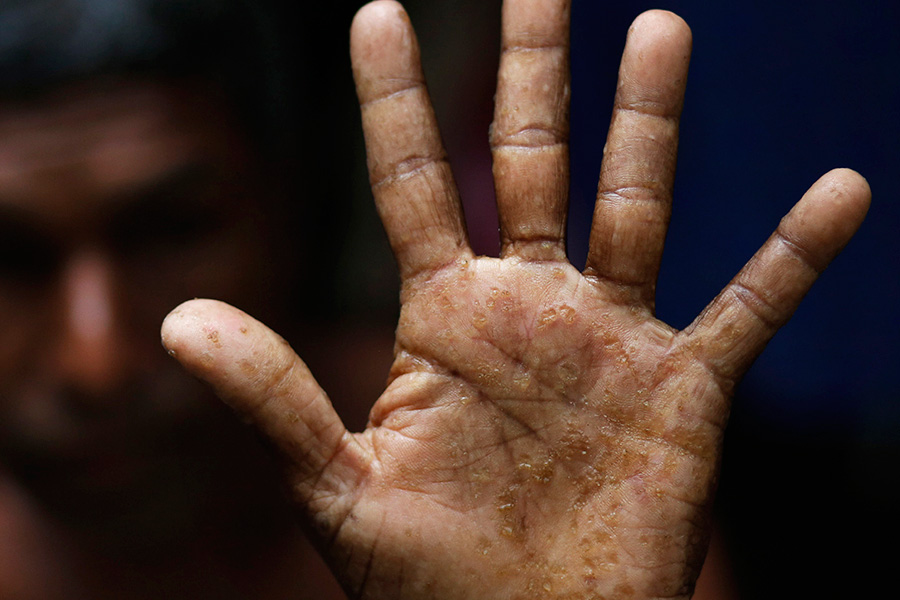
The health impacts of arsenic contamination are profound and varied. Long-term exposure to arsenic through drinking water can cause skin lesions, lung cancer, kidney cancer, bladder cancer, and coronary heart disease. The severity of these health issues underscores the urgent need for effective mitigation strategies.

Global Distribution and Risk

Arsenic contamination is particularly severe in regions where groundwater is the primary source of drinking water. For instance, in Bangladesh, an estimated 35 to 77 million people are at risk due to arsenic-contaminated water. Similarly, in Pakistan, over 60 million people are threatened by high arsenic levels in their drinking water. These numbers highlight the critical need for comprehensive risk assessments and management strategies.

Mitigation and Management

Addressing arsenic contamination requires a multifaceted approach, including the development of effective treatment technologies, public awareness campaigns, and policy interventions. Various methods, such as arsenic removal filters and alternative water sources, have been implemented in affected regions. However, the success of these interventions varies, and continuous monitoring and evaluation are essential to ensure their effectiveness.

Conclusion

Arsenic contamination in groundwater is a significant global health crisis that demands immediate and sustained attention. By understanding the extent of the problem, its health impacts, and the global distribution of risk, we can better develop and implement effective strategies to mitigate this crisis. The health and well-being of millions of people depend on our collective efforts to address this issue.

Benin’s Artistic Contribution to the Global Stage

yanomami.net – Benin, a country with a rich tapestry of cultural heritage, has been making significant strides in contributing to the global artistic landscape. From its vibrant traditional music and dance to its intricate crafts and visual arts, Benin’s artistic expressions have captivated audiences worldwide, showcasing the depth and diversity of African creativity.

Traditional Music and Dance: A Window into Benin’s Soul

At the heart of Benin’s artistic identity lies its traditional music and dance, which are deeply intertwined with the country’s history and spiritual beliefs. The Gelede mask dance, for instance, is a powerful performance that honors the spirits of ancestors and is known for its elaborate masks and costumes. These performances have transcended borders, with troupes like the Zanbouni Group gaining international acclaim for their energetic and mesmerizing presentations.

Visual Arts: From Bronze to Contemporary Canvas

Benin’s visual arts have a storied history, with the ancient Benin Kingdom renowned for its exquisite bronze sculptures, which date back to the 16th century. These sculptures, featuring royal figures and scenes from court life, are celebrated for their technical mastery and aesthetic beauty. Today, contemporary Beninese artists continue this legacy, blending traditional techniques with modern influences to create art that speaks to universal themes while maintaining a distinctly Beninese voice. Artists like Romuald Hazoumé have gained international recognition for their thought-provoking installations and sculptures that address issues of colonialism, consumerism, and environmental degradation.

Craftsmanship: The Art of Everyday Life

Benin’s craftsmanship is another area where the country has made a notable global impact. From the weaving of vibrant textiles to the intricate beadwork and wood carvings, Beninese artisans create pieces that are both functional and aesthetically pleasing. These crafts are not only a testament to the skill and creativity of Benin’s artisans but also serve as a means of preserving cultural traditions and generating income for local communities.

International Recognition and Cultural Diplomacy

Benin’s artistic contributions have been recognized on the global stage through various international festivals, exhibitions, and cultural exchanges. The country’s participation in events such as the Venice Biennale and the Dakar Biennale has helped to elevate the profile of Beninese artists and introduce their work to a broader audience. Additionally, cultural diplomacy initiatives have facilitated collaborations between Beninese artists and their counterparts from other countries, fostering a rich exchange of ideas and techniques.

Conclusion: A Beacon of Cultural Riches

Benin’s artistic contributions to the global stage are a testament to the country’s enduring cultural heritage and the creativity of its people. Through music, dance, visual arts, and crafts, Benin continues to share its stories and values with the world, enriching the global cultural landscape and inspiring appreciation for the diverse expressions of human creativity. As Benin’s artists continue to innovate and engage with contemporary issues, their work remains a beacon of cultural richness and a bridge between different cultures and perspectives.

Battle for Global Supremacy: The Second World War

yanomami.net – The Second World War, a global conflict that lasted from 1939 to 1945, was the deadliest and most widespread war in history. It involved the vast majority of the world’s nations—including all of the great powers—eventually forming two opposing military alliances: the Allies and the Axis. The war was a battle for global supremacy, as nations fought for control, ideology, and survival. It reshaped the political alignment and social structure of the world and set the stage for the Cold War.

The Origins of Conflict:
The roots of World War II lay in the aftermath of World War I, the Great Depression, and the rise of fascism in Europe. The Treaty of Versailles, which ended World War I, imposed heavy reparations and territorial losses on Germany, leading to economic hardship and resentment. The global economic downturn of the 1930s further destabilized nations, providing fertile ground for the rise of authoritarian leaders like Adolf Hitler in Germany, Benito Mussolini in Italy, and Emperor Hirohito in Japan. These leaders sought to expand their territories and influence, leading to aggressive actions that would eventually spark a world war.

The Global Expansion of the War:
The war began on September 1, 1939, when Germany invaded Poland, prompting Britain and France to declare war on Germany. Over the next six years, the conflict would spread to involve more than 30 countries. Key theaters of war included Europe, the Pacific, North Africa, and Southeast Asia. The Axis powers, led by Germany, Italy, and Japan, sought to conquer and control vast territories, while the Allies, led by the United Kingdom, the Soviet Union, China, and later the United States, aimed to halt Axis expansion and liberate occupied territories.

Key Battles and Turning Points:
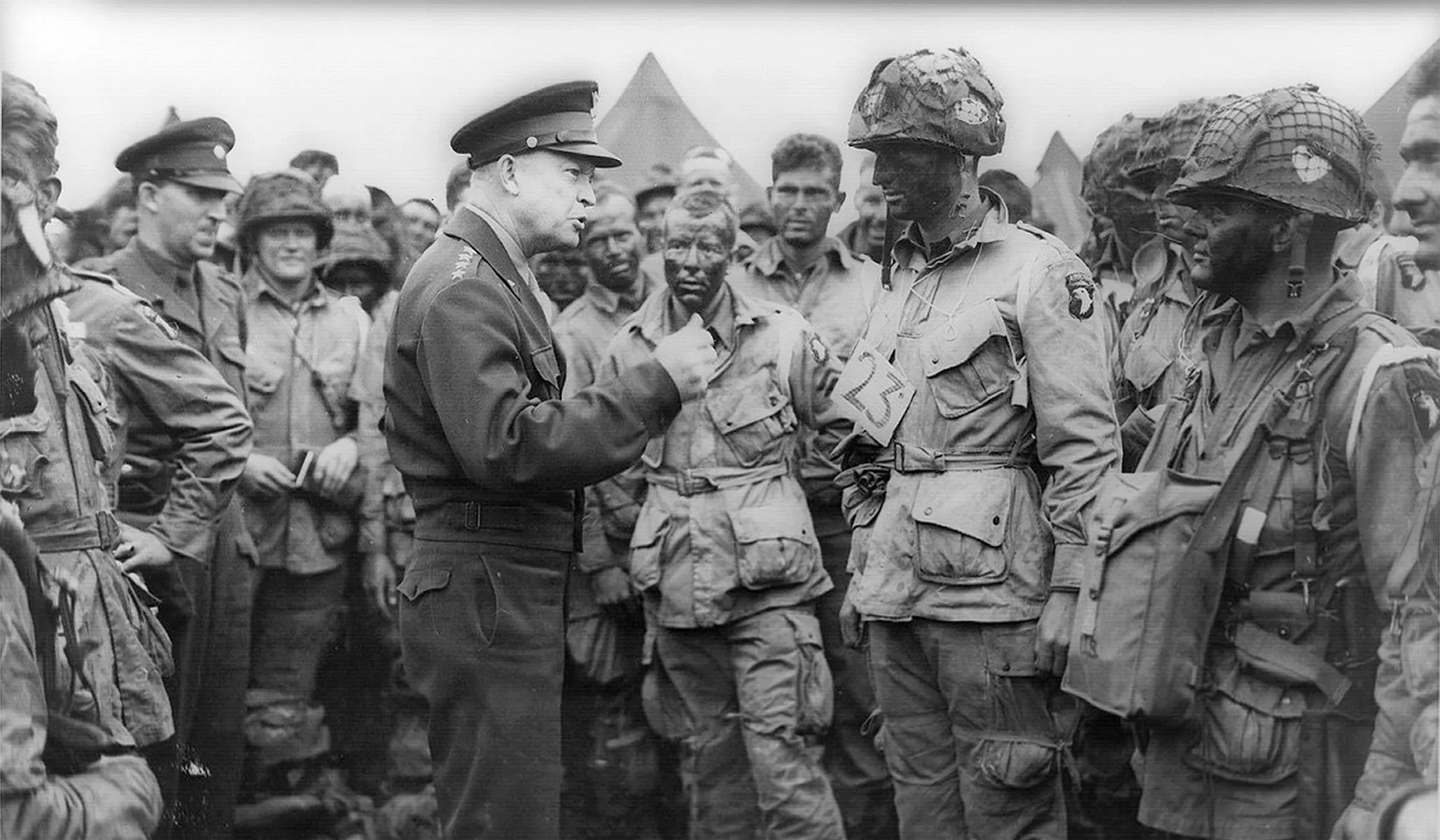
Several pivotal battles and events marked the turning points of the war. In Europe, the Battle of Britain in 1940 saw the Royal Air Force successfully defend the UK against the Luftwaffe, preventing a potential German invasion. The entry of the Soviet Union and the United States into the war in 1941, following the German invasion of the Soviet Union and the Japanese attack on Pearl Harbor, significantly shifted the balance of power towards the Allies. The Battle of Stalingrad in 1942-1943 marked the beginning of the end for Nazi Germany on the Eastern Front, while D-Day, the Allied invasion of Normandy in June 1944, opened a second front in Europe.

In the Pacific, the Battle of Midway in June 1942 was a decisive naval victory for the United States against Japan. The subsequent island-hopping campaign and the use of atomic bombs on Hiroshima and Nagasaki in August 1945 led to Japan’s surrender.

The Human Cost and Impact:
The human cost of World War II was staggering. It is estimated that over 70 million people died, including the Holocaust, in which six million Jews were murdered. The war also saw the widespread use of strategic bombing, leading to the destruction of cities and civilian populations. The atomic bombings of Hiroshima and Nagasaki were a grim foretaste of the nuclear age.

The war’s impact was not limited to the loss of life. It led to the displacement of populations, the destruction of infrastructure, and the devastation of economies. However, it also spurred technological advancements and the mobilization of entire societies for a common cause.

The Post-War World:
The end of World War II in 1945 brought about significant changes in the global order. The United Nations was established to foster international cooperation and prevent future conflicts. Europe was left in ruins, leading to the Marshall Plan, a massive American aid program for rebuilding. The war also led to the division of Europe into Western and Soviet spheres of influence, setting the stage for the Cold War.

In Asia, the defeat of Japan led to the end of colonial rule in many parts of the continent, sparking a wave of decolonization and the emergence of new nations.

Conclusion:
The Second World War was a battle for global supremacy that reshaped the world in profound ways. It was a conflict of unprecedented scale and brutality, with far-reaching consequences for international relations, human rights, and the global economy. The lessons of World War II continue to influence global politics and the quest for peace and security in the 21st century.