Melina Mercouri: A Charismatic Force in Arts and Politics

yanomami.net – Melina Mercouri was more than just a celebrated actress; she was a force of nature, a charismatic personality who seamlessly blended her artistic talent with fervent political activism. Her life was a testament to her unwavering spirit, her passionate advocacy for Greek culture, and her courageous fight against the Greek military junta. From her memorable film roles to her impactful political career, Mercouri left an indelible mark on Greece and the world.   

Early Life and Embracing the Stage

Born Maria Amalia Mercouri in Athens in 1920 (some sources cite 1925), Melina Mercouri came from a prominent Athenian family with strong political ties. Her grandfather, Spyridon Mercouris, was a former mayor of Athens. This early exposure to the political sphere likely influenced her later activism.  

Mercouri developed a passion for acting at a young age and pursued her studies at the National Theatre of Greece Drama School. Her striking beauty, combined with her natural talent and captivating stage presence, quickly made her a rising star in the Greek theatre scene.   

A Star on the Silver Screen

Mercouri’s transition to cinema brought her international recognition and cemented her status as a leading lady of Greek film. Her collaboration with director Jules Dassin, whom she later married, proved to be a turning point in her career.   

Some of her most iconic film roles include:

  • Stella (1955): This film, directed by Michael Cacoyannis, brought Mercouri to international attention. Her portrayal of the free-spirited and independent Stella was both powerful and memorable.
  • Never on Sunday (1960): Directed by Jules Dassin, this film earned Mercouri an Academy Award nomination for Best Actress and brought her worldwide fame. Her portrayal of the joyful and spirited prostitute Ilya became her signature role.   
  • Phaedra (1962): Another collaboration with Dassin, this film showcased Mercouri’s dramatic range and her ability to portray complex and tragic characters.   
  • Topkapi (1964): A heist comedy also directed by Dassin, this film allowed her to showcase her lighter side alongside Peter Ustinov.   

Mercouri’s on-screen persona was often that of a strong, independent, and passionate woman. Her performances were marked by a raw emotional intensity and a captivating presence that drew audiences in.

Resistance Against the Junta

Mercouri’s life took a dramatic turn with the establishment of the Greek military junta in 1967. She became a vocal and outspoken critic of the regime, using her international platform to raise awareness of the human rights abuses taking place in Greece.   

Her outspoken opposition led to the revocation of her Greek citizenship and the confiscation of her property in Greece. Despite these threats, Mercouri remained steadfast in her resistance, famously declaring, “I am Greek. I was born Greek. I will die Greek. Mr. Pattakos [a junta leader] was born a fascist and will die a fascist.”   

Return to Greece and Political Career

With the fall of the junta in 1974, Mercouri returned to Greece as a national heroine. She became actively involved in politics, joining the Panhellenic Socialist Movement (PASOK) and serving as a Member of Parliament.   

In 1981, she became the first female Minister of Culture of Greece, a position she held for two terms. During her tenure, she championed the preservation of Greek cultural heritage and advocated for the return of the Parthenon Marbles (Elgin Marbles) from the British Museum.   

The Melina Mercouri Foundation and Legacy

Mercouri’s unwavering commitment to the return of the Parthenon Marbles led to the establishment of the Melina Mercouri Foundation, which continues to advocate for their repatriation.

Mercouri passed away in New York City in 1994, leaving behind a rich legacy of artistic achievement and political activism. She will forever be remembered as a charismatic and courageous woman who used her talent and influence to fight for justice, preserve cultural heritage, and inspire generations with her unwavering spirit. Her name remains synonymous with both artistic brilliance and unwavering political conviction.

The Art and Expression of Body Piercing

yanomami.net – Body piercing, an ancient form of body modification, has been a powerful means of self-expression and cultural identity for centuries. It transcends mere aesthetics, tapping into deeper personal, cultural, and spiritual dimensions. In this article, we explore the art and expression of body piercing, delving into its historical roots, cultural significance, and the contemporary resurgence in its popularity.

Historical Roots of Body Piercing

Body piercing can be traced back thousands of years, with evidence found in various ancient cultures around the globe. From the nose rings of the Middle East, dating back to 1500 BCE, to the ear piercings of ancient Egypt, the practice has been a symbol of status, beauty, and spirituality. In many indigenous cultures, such as the Aztecs and Mayans, piercings were a rite of passage, marking significant life events or transitions.

Cultural Significance

Piercings hold diverse meanings across different cultures. In India, nose piercings are traditionally associated with marriage and femininity, while in Africa, lip and ear piercings can signify tribal affiliation and social status. The Maori people of New Zealand use piercings as part of their sacred tattooing practices, known as Ta Moko, which convey personal and ancestral narratives.

Modern Revival

In contemporary society, body piercing has experienced a renaissance, becoming a mainstream form of self-expression. This revival is partly due to the rise of the fashion and entertainment industries, where piercings are often showcased as edgy and fashionable. Celebrities and influencers have played a significant role in popularizing various types of piercings, from ear cartilage and nose piercings to more daring locations like the septum and dermal piercings.

Personal Expression and Identity

For many individuals, body piercings are a way to express their individuality and personal style. They can symbolize rebellion, empowerment, or simply serve as an aesthetic choice. The decision to get pierced is often deeply personal, reflecting one’s identity, values, and experiences. The choice of jewelry, ranging from minimalist studs to elaborate rings and barbells, further allows individuals to tailor their piercings to match their unique personalities.

The Art of Piercing

Piercing is not just about the end result; it is an art form that requires precision, skill, and knowledge. Professional piercers must understand the anatomy of the human body, maintain strict hygiene standards, and possess an artistic eye to ensure that each piercing complements the individual’s body. The process involves selecting the right type of jewelry, placement, and aftercare to achieve the desired aesthetic and minimize complications.

Conclusion

Body piercing is a dynamic form of art and expression that continues to evolve with time. Its rich history and cultural significance highlight the diverse meanings and purposes behind this ancient practice. Whether motivated by tradition, personal expression, or fashion, body piercing remains a testament to the enduring human desire to modify and adorn the body as a canvas for personal and cultural expression.

Louvre Museum: A Timeless Journey Through Art and History

yanomami.net – The Louvre Museum, nestled in the heart of Paris, France, is the world’s largest art museum and a historic monument that attracts millions of visitors each year. Home to an unparalleled collection of art and artifacts, the Louvre offers a fascinating journey through time, showcasing works from ancient civilizations to the 19th century.

A Brief History of the Louvre

Originally built as a fortress in the late 12th century under King Philip II, the Louvre transitioned to a royal palace in the 16th century. It became a public museum in 1793 during the French Revolution, opening its doors to showcase the nation’s most prized artworks. Over the centuries, the museum has undergone significant expansions and renovations, including the iconic glass pyramid entrance designed by architect I.M. Pei in 1989.

Navigating the Louvre: Must-See Masterpieces

With over 380,000 objects and 35,000 works of art on display, the Louvre’s vast collection is divided into eight departments, each offering unique treasures:

1. The Mona Lisa

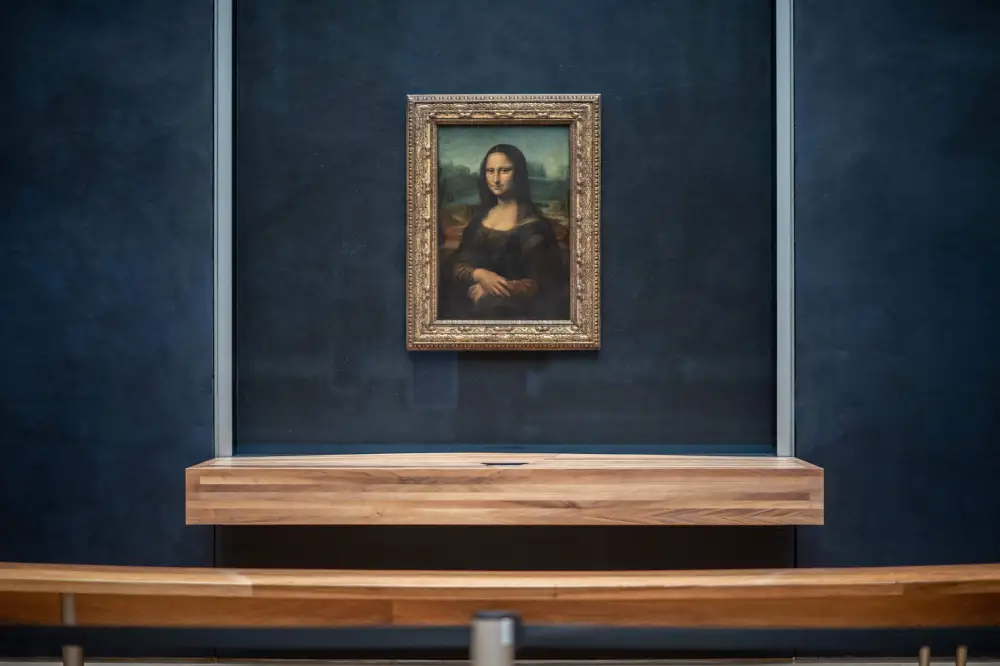
Leonardo da Vinci’s enigmatic portrait of the Mona Lisa is perhaps the most famous work in the Louvre. Visitors flock to see her mysterious smile, making it a must-see for art enthusiasts.

2. The Winged Victory of Samothrace

This ancient Greek statue, dating back to the 2nd century BC, is celebrated for its dynamic form and intricate detailing. It stands majestically at the top of the Daru staircase, captivating visitors with its sense of movement and grace.

3. Venus de Milo

This iconic statue of the Greek goddess Aphrodite is renowned for its beauty and mystery. Despite its missing arms, the Venus de Milo remains a symbol of classical art and elegance.

4. Liberty Leading the People

Eugène Delacroix’s masterpiece, depicting the July Revolution of 1830 in France, captures the spirit of freedom and heroism. It’s a powerful representation of the struggle for liberty and national identity.

Tips for Visiting the Louvre

To make the most of your visit to the Louvre, here are a few helpful tips:

  • Plan Ahead: Purchase tickets online to avoid long lines, and consider visiting during off-peak hours for a more relaxed experience.
  • Focus on Key Pieces: With so much to see, prioritize your visit by selecting a few key pieces or sections that interest you the most.
  • Take a Guided Tour: Enhance your understanding of the artworks with a guided tour, which can provide insightful context and anecdotes about the museum’s collection.
  • Explore the Lesser-Known Areas: While the main attractions are a must-see, the Louvre’s lesser-known galleries often house remarkable works with fewer crowds.

Conclusion

The Louvre Museum is more than just a repository of art; it is a testament to human creativity and history. Each visit offers a new perspective, inviting visitors to explore the depths of culture and imagination. Whether you’re an art aficionado or a casual tourist, the Louvre’s timeless allure is sure to leave a lasting impression.

Respons Pemerintah Kota Tangerang Terhadap Kasus Eksploitasi Remaja: Penanganan Medis dan Hukum

yanomami.net – Sebuah insiden mengenaskan terjadi di Karawaci, Kota Tangerang, di mana seorang remaja berusia 16 tahun, yang hanya diidentifikasi dengan inisial CC, nekat melompat dari lantai tiga rumah majikannya. Keputusan tersebut diduga kuat sebagai akibat langsung dari eksploitasi pekerjaan yang dialami oleh CC. Pemerintah Kota Tangerang telah mengambil langkah proaktif dengan menanggung seluruh biaya pengobatan korban.

Detail Insiden dan Perawatan Medis:
CC saat ini sedang menjalani perawatan intensif di RSUD Tangerang, menyusul luka serius yang dialaminya pada kedua pergelangan kaki akibat insiden pada hari Rabu, tanggal 30 Mei 2024. Kombes Zain Dwi Nugroho, Kapolres Metro Tangerang Kota, menegaskan dalam konferensi pers yang diadakan pada tanggal 2 Juni 2024 bahwa biaya medis korban akan sepenuhnya ditanggung oleh Pemerintah Kota Tangerang.

Penyelidikan dan Tindakan Hukum:
Investigasi awal mengungkapkan bahwa tersangka, yang diidentifikasi dengan inisial J, telah melakukan pemalsuan dokumen pribadi korban. J diduga memalsukan kartu tanda penduduk (KTP), mengubah usia korban dari 16 menjadi 21 tahun untuk memenuhi syarat pekerjaan sebagai asisten rumah tangga. Data dari kartu keluarga (KK) dan ijazah SMP korban menunjukkan bahwa korban sebenarnya masih berusia 16 tahun dan berasal dari Kerawang, bukan Brebes sebagaimana tertera dalam KTP palsu. Kombes Zain menambahkan bahwa NIK yang tertera dalam KTP palsu tersebut tidak terdaftar di sistem Disdukcapil.

Kasus Hukum dan Pasal yang Digunakan:
Tersangka J saat ini menghadapi tuduhan berdasarkan UU RI No. 21 Tahun 2007 tentang Tindak Pidana Perdagangan Orang (TPPO), dan sejumlah pasal dalam UU Perlindungan Anak, UU tentang Perlindungan dari Kekerasan Dalam Rumah Tangga (PKDRT), UU Ketenagakerjaan, serta beberapa pasal dalam Kitab Undang-Undang Hukum Pidana (KUHP) yang berkaitan dengan pemalsuan dokumen dan penahanan ilegal.

Penahanan Tersangka:
Saat ini, J ditahan di Rumah Tahanan Polres Metro Tangerang Kota, menunggu proses hukum lebih lanjut.

Insiden ini menyoroti masalah serius mengenai eksploitasi terhadap individu di bawah umur dalam sektor pekerjaan domestik. Pemerintah Kota Tangerang menunjukkan tanggung jawab sosialnya dengan menanggung biaya pengobatan korban dan mendukung proses hukum yang adil dan cepat. Ini merupakan langkah penting dalam upaya melindungi hak-hak anak dan mengeliminasi eksploitasi tenaga kerja anak.