Sjælland: The Heart of Denmark – Culture & Natural Beauty

yanomami.net – Sjælland, or Zealand, is the largest and most populous island of Denmark. It’s home to the nation’s capital, Copenhagen, and many other charming towns and villages. With its diverse landscapes, rich history, and vibrant culture, Sjælland offers a unique and unforgettable experience.

Copenhagen: The Crown Jewel of Denmark

Copenhagen, the capital of Denmark, is a city that seamlessly blends old-world charm with modern sophistication. Its picturesque canals, historic buildings, and vibrant neighborhoods create an unforgettable atmosphere.

  • Nyhavn: This colorful harbor is a popular tourist destination, lined with brightly painted 17th-century townhouses and bustling with boats and cafes.
  • Amalienborg Palace: The winter residence of the Danish royal family, this elegant palace complex is a sight to behold.
  • Tivoli Gardens: One of the world’s oldest amusement parks, Tivoli offers thrilling rides, beautiful gardens, and enchanting entertainment.
  • Rosenborg Castle: This Renaissance castle houses the Danish Crown Jewels and offers a glimpse into the history of the Danish monarchy.

Beyond Copenhagen: Exploring Sjælland

While Copenhagen is undoubtedly the star attraction, Sjælland has much more to offer. The island is home to several charming towns and villages, each with its own unique character.

  • Roskilde: A historic city with a beautiful cathedral and Viking Ship Museum.
  • Helsingør: Known for its historic Kronborg Castle, the inspiration for Shakespeare’s “Hamlet.”
  • Næstved: A picturesque town with a medieval castle and charming streets.
  • Køge: A coastal town with a beautiful harbor and a historic center.

A Natural Paradise

Sjælland offers a diverse range of natural landscapes, from stunning beaches to lush forests.

  • North Zealand: Known for its beautiful beaches, charming coastal towns, and historic castles.
  • South Zealand: A region of rolling hills, picturesque villages, and historic manor houses.

A Cultural Tapestry

Sjælland is a cultural hub, with a rich history, vibrant arts scene, and world-class museums.

  • Louisiana Museum of Modern Art: This world-renowned museum is housed in a stunning building overlooking the Øresund Sound.
  • National Museum of Denmark: This museum offers a comprehensive overview of Danish history, from the Stone Age to the present day.
  • Danish Design Center: This center showcases the best of Danish design, from furniture and fashion to architecture and ceramics.

Sjælland is a region that offers a perfect blend of history, culture, and natural beauty. Whether you’re exploring the bustling streets of Copenhagen or the tranquil countryside, you’re sure to be enchanted by the charm and diversity of this beautiful island.
The Great Wall: A Monument of History and Engineering

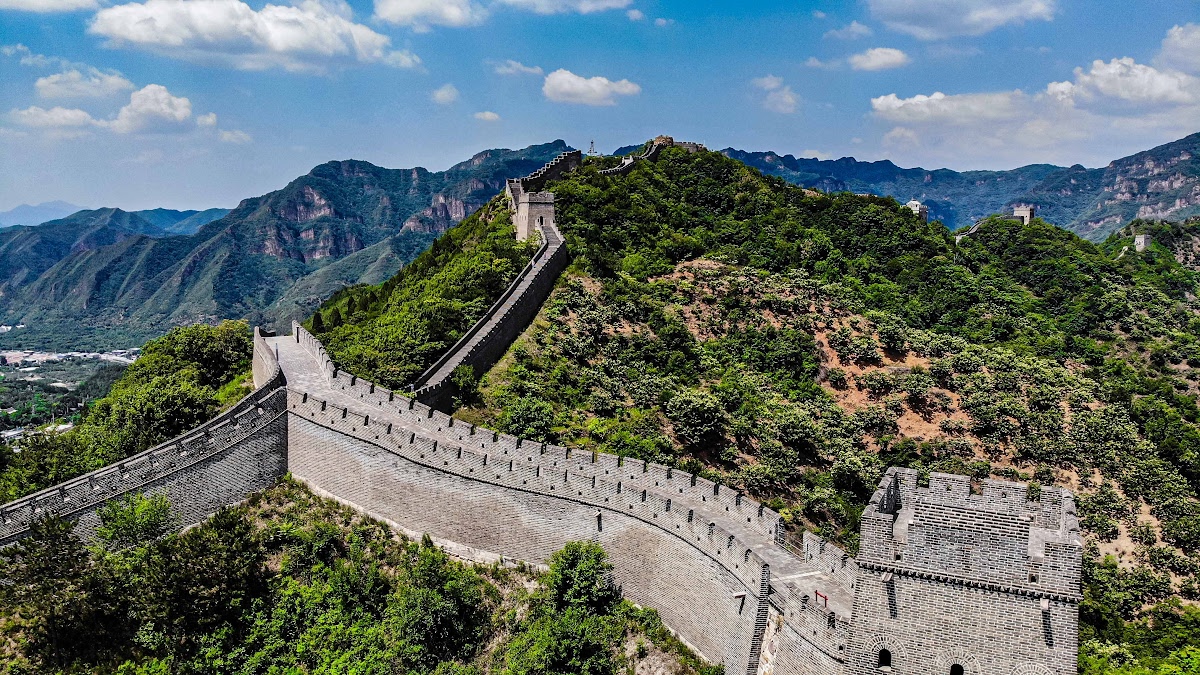
yanomami.net – The Great Wall of China stands as one of the most remarkable feats of human engineering and a testament to the rich history of ancient China. Spanning thousands of miles across northern China, this awe-inspiring structure is not only a symbol of China’s strength and perseverance but also a fascinating subject of study for historians and tourists alike.

Historical Background

The origins of the Great Wall date back to as early as the 7th century BC, during the Warring States period. Initially, various states constructed walls to protect their territories from invasions. However, the most significant construction began during the reign of the first Emperor of China, Qin Shi Huang, around 221 BC. He unified these disparate walls into a single defense system to ward off invasions from nomadic tribes from the north.

Construction and Architecture

The construction of the Great Wall was a colossal undertaking involving millions of laborers, including soldiers, peasants, and prisoners. The wall, primarily made from earth, wood, bricks, and stone, stretches over 13,000 miles. Its design varied according to the materials available and the terrain it traversed. The wall features watchtowers, fortresses, and beacon towers, which were used for military signaling.

Cultural Significance

Beyond its military purpose, the Great Wall has significant cultural importance. It represents the ingenuity and resilience of the Chinese people and their ability to adapt and innovate. Over the centuries, the wall has become a symbol of national pride and a UNESCO World Heritage site since 1987. It attracts millions of visitors from around the world each year, eager to walk along its ancient paths and absorb its historical ambiance.

Modern-Day Preservation

Preserving the Great Wall is an ongoing challenge. Natural erosion, human activity, and climate change pose threats to its integrity. The Chinese government, along with international organizations, has implemented measures to protect and restore sections of the wall. These efforts ensure that this magnificent structure can be admired by future generations.

Conclusion

The Great Wall of China is more than just a physical barrier; it is a monumental piece of history that reflects the cultural and historical evolution of China. Its enduring legacy continues to captivate the imagination of people worldwide, making it an indispensable part of global heritage. As we explore its vast stretches, we not only walk through the footsteps of history but also gain insight into the human spirit’s capacity for achievement.

Exploring São Paulo: A Vibrant Metropolis

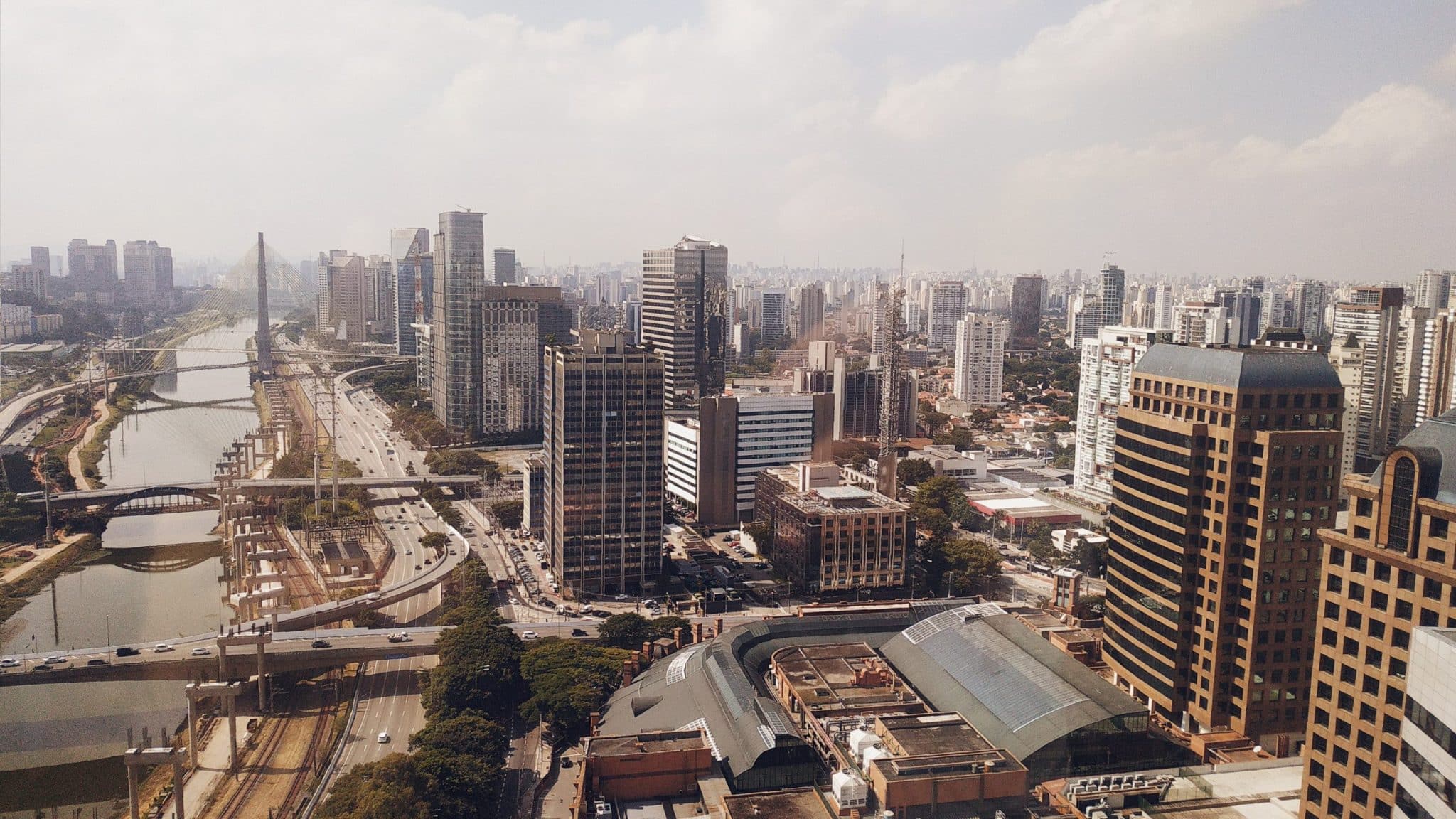
yanomami.net – São Paulo, often referred to as Sampa, is the largest city in Brazil and a bustling hub of culture, commerce, and diversity. With a population exceeding 12 million, it stands as one of the most populous cities in the world. As a melting pot of cultures and ethnicities, São Paulo offers a rich tapestry of experiences, making it a fascinating destination for travelers and a dynamic place for its residents.

A Brief History

São Paulo’s history dates back to January 25, 1554, when it was founded by Jesuit priests. Initially a modest mission station, the city grew rapidly due to its strategic location and the coffee boom in the 19th century. This economic surge attracted immigrants from all over the world, particularly from Italy, Japan, and the Middle East, which contributed to the city’s multicultural character.

The Cultural Capital

São Paulo is often regarded as the cultural capital of Brazil. The city boasts an impressive array of museums, galleries, and theaters. The São Paulo Museum of Art (MASP), with its striking modernist architecture, houses one of the finest collections of Western art in Latin America. The city also hosts the São Paulo Art Biennial, one of the most significant contemporary art events in the world.

For those interested in music and performance, the city’s vibrant theater scene and numerous music festivals, including the renowned Lollapalooza Brazil, offer endless entertainment options. The city’s cultural diversity is also reflected in its culinary scene, with a wide variety of international cuisines available, from traditional Brazilian fare to Japanese sushi and Italian pasta.

Economic Powerhouse

São Paulo is not just a cultural hub but also an economic powerhouse. It is the financial center of Brazil and home to the B3, one of the largest stock exchanges in the world. The city’s economy is diverse, with strengths in finance, commerce, technology, and industry. This economic vitality attracts professionals and businesses from around the globe, contributing to its status as a global city.

Urban Challenges and Innovation

Like many megacities, São Paulo faces significant urban challenges, including traffic congestion, pollution, and social inequality. However, the city is also a leader in urban innovation, with initiatives aimed at improving public transportation and sustainability. The expansion of the metro system and the development of green spaces are part of efforts to enhance the quality of life for its residents.

Conclusion

São Paulo is a city of contrasts and opportunities, where the past and present collide in a dynamic blend of tradition and modernity. Whether you’re exploring its rich historical sites, indulging in its diverse culinary delights, or engaging with its vibrant cultural scene, São Paulo offers an unforgettable experience. As it continues to evolve and innovate, this metropolis remains a testament to the enduring spirit and resilience of its people.

Louvre Museum: A Timeless Journey Through Art and History

yanomami.net – The Louvre Museum, nestled in the heart of Paris, France, is the world’s largest art museum and a historic monument that attracts millions of visitors each year. Home to an unparalleled collection of art and artifacts, the Louvre offers a fascinating journey through time, showcasing works from ancient civilizations to the 19th century.

A Brief History of the Louvre

Originally built as a fortress in the late 12th century under King Philip II, the Louvre transitioned to a royal palace in the 16th century. It became a public museum in 1793 during the French Revolution, opening its doors to showcase the nation’s most prized artworks. Over the centuries, the museum has undergone significant expansions and renovations, including the iconic glass pyramid entrance designed by architect I.M. Pei in 1989.

Navigating the Louvre: Must-See Masterpieces

With over 380,000 objects and 35,000 works of art on display, the Louvre’s vast collection is divided into eight departments, each offering unique treasures:

1. The Mona Lisa

Leonardo da Vinci’s enigmatic portrait of the Mona Lisa is perhaps the most famous work in the Louvre. Visitors flock to see her mysterious smile, making it a must-see for art enthusiasts.

2. The Winged Victory of Samothrace

This ancient Greek statue, dating back to the 2nd century BC, is celebrated for its dynamic form and intricate detailing. It stands majestically at the top of the Daru staircase, captivating visitors with its sense of movement and grace.

3. Venus de Milo

This iconic statue of the Greek goddess Aphrodite is renowned for its beauty and mystery. Despite its missing arms, the Venus de Milo remains a symbol of classical art and elegance.

4. Liberty Leading the People

Eugène Delacroix’s masterpiece, depicting the July Revolution of 1830 in France, captures the spirit of freedom and heroism. It’s a powerful representation of the struggle for liberty and national identity.

Tips for Visiting the Louvre

To make the most of your visit to the Louvre, here are a few helpful tips:

  • Plan Ahead: Purchase tickets online to avoid long lines, and consider visiting during off-peak hours for a more relaxed experience.
  • Focus on Key Pieces: With so much to see, prioritize your visit by selecting a few key pieces or sections that interest you the most.
  • Take a Guided Tour: Enhance your understanding of the artworks with a guided tour, which can provide insightful context and anecdotes about the museum’s collection.
  • Explore the Lesser-Known Areas: While the main attractions are a must-see, the Louvre’s lesser-known galleries often house remarkable works with fewer crowds.

Conclusion

The Louvre Museum is more than just a repository of art; it is a testament to human creativity and history. Each visit offers a new perspective, inviting visitors to explore the depths of culture and imagination. Whether you’re an art aficionado or a casual tourist, the Louvre’s timeless allure is sure to leave a lasting impression.

Derry Girls: A Comedy That Balances Laughter & History

yanomami.net – Derry Girls, a Northern Irish comedy series, has captured the hearts of audiences worldwide with its unique blend of teen humor and historical context. Set in the 1990s during the height of The Troubles in Northern Ireland, the show follows the lives of five Catholic schoolgirls as they navigate the complexities of adolescence against the backdrop of sectarian violence.

The Show’s Premise

The series, created by Lisa McGee, centers around Erin, Orla, Michelle, Clare, and James, who attend a Catholic school in Derry. The show masterfully balances the comedic aspects of teenage life with the serious issues of the time, providing a fresh perspective on a period often depicted through a more somber lens.

Critical Acclaim and Awards

Derry Girls has received widespread acclaim for its ability to tackle heavy themes with humor and sensitivity. The show has been nominated for numerous awards, including three major nominations at the 2023 National Comedy Awards. In a significant milestone, the third and final season of Derry Girls won the International Emmy for Best Comedy Programme, further cementing its status as a standout comedy series.

The Final Season

The final season of Derry Girls, which aired in 2022, was met with critical acclaim. It brought the series to a close with the signing of the Good Friday Agreement, marking a significant moment in Northern Ireland’s history. Critics hailed the finale as “a triumph,” praising its ability to blend humor with poignant moments.

Conclusion

Derry Girls stands out as one of the best comedies of recent years, thanks to its well-crafted characters, sharp writing, and its unique approach to historical storytelling. The show’s success lies in its ability to make viewers laugh while also shedding light on a complex and often painful period in history. As audiences continue to re-watch and appreciate the series, Derry Girls remains a testament to the power of comedy to bridge gaps and foster understanding.

The CIA: A Comprehensive History

yanomami.net – The Central Intelligence Agency (CIA), a cornerstone of American intelligence and security, has a rich and complex history that spans over seven decades. Established on September 18, 1947, by President Harry S. Truman through the National Security Act of 1947, the CIA was created to serve as the nation’s first permanent, centralized intelligence agency.

Origins and Early Years

The CIA’s roots can be traced back to America’s World War II intelligence efforts, particularly the Office of Strategic Services (OSS). The OSS, which operated from 1942 to 1945, laid the groundwork for the CIA by conducting espionage, sabotage, and psychological warfare against the Axis powers.

Evolution and Expansion

In the post-war era, the United States faced new challenges, particularly the threat of Soviet expansion. The CIA’s role expanded significantly to include covert operations aimed at countering Soviet influence globally. This period saw the CIA involved in numerous covert actions, including the 1953 Iranian coup d’état and the 1961 Bay of Pigs Invasion in Cuba.

Modern Challenges and Controversies

The CIA’s role in the Cold War era was marked by both successes and controversies. The agency’s involvement in various covert operations and intelligence gathering activities often drew criticism for its methods and the ethical implications of its actions.

The 21st century brought new challenges, including the September 11 attacks in 2001, which led to a significant shift in the CIA’s focus towards counterterrorism. The agency played a crucial role in the global war on terror, conducting intelligence operations and supporting military efforts against terrorist networks.

Leadership and Structure

The CIA is headed by a director and a deputy director, with only one of them being a military officer. The director of central intelligence (DCI) was responsible for managing all U.S. intelligence activities until 2004, when the position was replaced by the Director of National Intelligence.

Legacy and Influence

The CIA’s history is a testament to its role as a key player in American foreign policy and national security. Despite its controversies, the agency has been instrumental in shaping global events and protecting U.S. interests abroad.

In conclusion, the CIA’s history is a complex narrative of intelligence operations, strategic planning, and the evolution of American foreign policy. From its inception in the shadow of World War II to its role in the modern era of global terrorism, the CIA has been a central figure in the nation’s efforts to secure its interests and maintain its position on the world stage.

Marshmallow: A Fluffy Treat with a Sweet History

yanomami.net – Marshmallow, a soft, sweet, and versatile confection, has been delighting people for centuries. Originally derived from the marshmallow plant, this treat has evolved into the fluffy, sugary delight we know today. From campfires to hot cocoa, marshmallows have become a staple in many sweet treats and desserts. This article explores the history, production, and various uses of marshmallows, highlighting their enduring popularity and adaptability.

The History of Marshmallow

The origins of marshmallow can be traced back to ancient Egypt, where it was used for its medicinal properties. The sap from the marshmallow plant, known as mucilage, was believed to have soothing effects on sore throats and coughs. It wasn’t until the 19th century that marshmallow began to be used as a candy. Initially, it was a handcrafted treat made by boiling the marshmallow root and combining it with sugar.

The industrial revolution brought about significant changes in the production of marshmallows. In the late 19th and early 20th centuries, manufacturers began to replace the marshmallow sap with gelatin, corn syrup, and other ingredients, making the process more efficient and the treat more accessible. This innovation led to the creation of the modern marshmallow, which is now enjoyed worldwide.

Production of Marshmallow

The production of marshmallows involves a few key steps:

  1. Mixing the Ingredients: The primary ingredients for marshmallows are gelatin, sugar, corn syrup, and water. These ingredients are mixed together and heated to create a thick, sticky mixture.
  2. Whipping: The mixture is then whipped to incorporate air, which gives marshmallows their light, fluffy texture.
  3. Setting: The whipped mixture is poured into pans and allowed to set. Once firm, it is dusted with a mixture of cornstarch and confectioner’s sugar to prevent sticking.
  4. Cutting and Packaging: The set marshmallow is cut into individual pieces and packaged for distribution.

Varieties and Uses of Marshmallow

Marshmallows come in various shapes and sizes, from the classic large pillows to miniature versions and even flavored marshmallows. They are incredibly versatile and can be used in a multitude of ways:

  • Toasted Marshmallows: A classic treat, often enjoyed around campfires or in s’mores.
  • Hot Cocoa and Coffee: Marshmallows add a sweet, fluffy touch to hot beverages.
  • Baking: Marshmallows are a key ingredient in many desserts, such as rice crispy treats and marshmallow crispy squares.
  • Decorating: Their soft texture and sweet flavor make marshmallows a popular choice for decorating cakes and cupcakes.

The Enduring Popularity of Marshmallow

Despite the vast array of sweets available today, marshmallows continue to hold a special place in the hearts of many. Their versatility, combined with their nostalgic appeal, ensures that marshmallows remain a beloved treat. Whether enjoyed on their own or as part of a dessert, marshmallows offer a simple, comforting sweetness that transcends trends.

Conclusion

From their humble beginnings as a medicinal plant to their status as a beloved confection, marshmallows have come a long way. Their production process, varieties, and uses highlight the creativity and ingenuity that have gone into making marshmallows the fluffy treats we know and love. As we continue to enjoy marshmallows in new and traditional ways, it’s clear that this sweet, versatile confection will remain a favorite for generations to come.

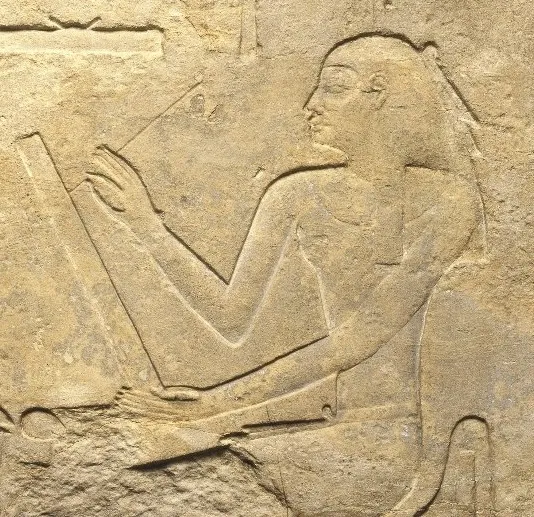
Writers Who Shaped the World: Scribes of History

yanomami.net – Throughout the annals of history, there have been countless individuals who have left their indelible mark on the world. Among these, a special group stands out: the scribes of history, the writers whose words have not only chronicled the events of their times but have also shaped the course of human civilization. These authors, through their narratives, have influenced the way we think, the way we govern, and the way we interact with one another. Their works have become the bedrock of our understanding of the past, the foundation of our present, and the blueprint for our future.

One of the earliest and most influential of these scribes was Herodotus, often referred to as the “Father of History.” His work, “The Histories,” chronicled the Greco-Persian Wars and provided a detailed account of the various cultures he encountered during his travels. Herodotus’s method of inquiry and storytelling laid the groundwork for the field of historiography, teaching future generations the importance of seeking out multiple perspectives and questioning received wisdom.

Another towering figure in the pantheon of historical writers is Thucydides, whose “History of the Peloponnesian War” is considered a masterpiece of political and military analysis. Thucydides’s rigorous approach to evidence and his deep insights into the nature of power and human nature have made his work a cornerstone of Western thought.

Moving forward in time, the works of Julius Caesar, particularly his “Commentarii de Bello Gallico” (Commentaries on the Gallic War), offer a unique glimpse into the mind of a military and political genius. Caesar’s clear and concise prose not only detailed his military campaigns but also served as a powerful tool of propaganda, cementing his legacy as one of Rome’s greatest leaders.

The Middle Ages brought forth a new breed of scribes, with figures like Marco Polo and Ibn Battuta chronicling their travels across the known world. Polo’s “The Travels of Marco Polo” introduced Europe to the wonders of the East, while Ibn Battuta’s “Rihla” provided a richly detailed account of Islamic societies. These works expanded the horizons of their readers, fostering a greater understanding of the diverse cultures that populated the globe.

The Renaissance saw a resurgence of interest in the classical world, with writers like Niccolò Machiavelli and Erasmus of Rotterdam shaping the intellectual landscape of their time. Machiavelli’s “The Prince” offered a pragmatic view of politics and power, while Erasmus’s “In Praise of Folly” critiqued the follies of human nature and society.

As the modern era dawned, writers such as Voltaire, Thomas Paine, and Mary Wollstonecraft used their pens as weapons in the fight for enlightenment, democracy, and gender equality. Voltaire’s satirical works exposed the absurdities of the French aristocracy, Paine’s “Common Sense” inspired the American colonies to declare independence, and Wollstonecraft’s “A Vindication of the Rights of Woman” laid the groundwork for modern feminism.

In the 19th and 20th centuries, the role of the writer as a shaper of history continued to evolve. Figures like Charles Dickens and Harriet Beecher Stowe used their novels to highlight social injustices, influencing public opinion on issues such as child labor and slavery. Meanwhile, philosophers and political theorists like Karl Marx, John Maynard Keynes, and Simone de Beauvoir provided the intellectual framework for major political and social movements of the 20th century.

The 21st century has seen the rise of a new generation of scribes, who use not only traditional forms of writing but also digital platforms to reach a global audience. Bloggers, journalists, and social media influencers now have the power to shape public discourse and influence the course of events in real-time.

The legacy of these scribes of history is a testament to the power of the written word. Their works remind us that history is not just a series of events that happen to us, but a story that we collectively write, day by day, word by word. As we continue to add our own chapters to this ongoing narrative, we would do well to remember the lessons of those who have gone before us, whose words have not only chronicled the past but have also illuminated the path to the future.

Cultural History of Serpentine Imagery: Snakes in Symbolism

Snakes, with their sinuous movements and enigmatic presence, have long fascinated and intrigued human civilizations. Throughout history, these creatures have been imbued with a variety of symbolic meanings, reflecting the complex relationship between humans and the natural world. From ancient myths to modern literature, serpents have been a powerful symbol, embodying both positive and negative attributes. This article explores the cultural history of serpentine imagery, tracing its evolution across different societies and epochs.

Ancient Civilizations and the Serpent

In ancient cultures, snakes were often revered for their connection to the earth and their ability to shed their skin, symbolizing rebirth and immortality. In Mesopotamia, the serpent was associated with the god Ningishzida, who represented the tree of life and the underworld. Similarly, in ancient Egypt, the cobra was a symbol of divine authority and protection, often seen adorning the crowns of pharaohs.

The Greeks and Romans also had a complex relationship with serpents. In Greek mythology, the serpent is a symbol of wisdom and knowledge, as seen in the story of Hermes and the caduceus, a staff entwined by two snakes, which became a symbol of commerce and negotiation. The Roman goddess Salus, associated with safety and well-being, was often depicted holding a snake.

The Serpent in Christianity and Judaism

In the Judeo-Christian tradition, the serpent takes on a more ambivalent role. In the Book of Genesis, the serpent tempts Eve to eat from the Tree of Knowledge, leading to the fall of mankind. Here, the snake is seen as a symbol of temptation and evil. However, in the Book of Numbers, the Nehushtan, a bronze serpent created by Moses, has healing powers, illustrating the dual nature of the serpent symbol in religious contexts.

Serpents in Eastern Traditions

In Eastern cultures, serpents are often associated with water and fertility, embodying the cyclical nature of life. In Hinduism, the snake goddess Manasa is worshipped for her power over fertility and crops. The Naga, a serpent deity, is revered for its control over water and is considered a guardian of treasures hidden within the earth.

In Chinese culture, the dragon, which shares many characteristics with the serpent, is a powerful symbol of strength, wisdom, and good fortune. The dragon is one of the twelve animals of the Chinese zodiac and is celebrated during the Chinese New Year.

Modern Interpretations

As we move into the modern era, the symbolism of snakes continues to evolve. In literature, authors like William Butler Yeats and D.H. Lawrence have used the serpent as a metaphor for the unconscious mind and the primal forces of nature. In popular culture, snakes often represent danger and cunning, as seen in films and television shows.

Environmental movements have also adopted the serpent as a symbol of the earth’s natural cycles and the need for conservation. The snake’s ability to shed its skin is seen as a metaphor for renewal and the regeneration of the planet.

Conclusion

The cultural history of serpentine imagery is a testament to the enduring fascination with these creatures. From ancient deities to modern metaphors, snakes have been a powerful symbol, embodying a range of attributes from wisdom and rebirth to danger and temptation. As we continue to explore the natural world and our place within it, the serpent remains a potent emblem of the mysteries and wonders of life.