The Resilient Cockroach: A Survivor of the Insect World

yanomami.net – Cockroaches, often viewed with disgust and associated with unsanitary conditions, are a group of insects with a long evolutionary history. While some species are indeed considered pests, they play ecological roles in nature and possess remarkable adaptations that have allowed them to thrive for millions of years. This article delves into the world of cockroaches, exploring their biology, life cycle, diverse forms, ecological significance, and interactions with humans.   

Physical Characteristics: Adapted for Survival

Cockroaches share several key physical features:

  • Flattened Body: Their flattened body shape allows them to squeeze into tight spaces, providing protection from predators and access to harborage.   
  • Long Antennae: They have long, segmented antennae that they use to sense their environment, detecting odors, vibrations, and air currents.   
  • Six Legs: They have six legs, adapted for running quickly. Some species can even climb smooth surfaces.   
  • Wings (in some species): While some species have well-developed wings and are capable of flight, others have reduced or absent wings.   
  • Protective Exoskeleton: Their tough exoskeleton provides protection from physical damage and desiccation.   

Life Cycle: Incomplete Metamorphosis

Cockroaches undergo incomplete metamorphosis (hemimetabolism), with three distinct life stages:   

  • Egg: Cockroach eggs are enclosed in a protective egg case called an ootheca. The ootheca is either carried by the female or deposited in a sheltered location.   
  • Nymph: The nymphs hatch from the ootheca and resemble smaller versions of the adults. They molt several times as they grow, gradually developing adult features.   
  • Adult: After several molts, the nymph reaches the adult stage, with fully developed characteristics.   

Diversity and Classification: A Cosmopolitan Order

There are over 4,600 species of cockroaches worldwide, belonging to the order Blattodea. Some of the most common pest species include:   

  • German Cockroach (Blattella germanica): A small, light brown species commonly found in kitchens and restaurants.   
  • American Cockroach (Periplaneta americana): One of the largest cockroach species, reddish-brown in color, often found in sewers and basements.   
  • Oriental Cockroach (Blatta orientalis): A dark brown or black species, often found in damp, cool places.   

Habitat and Distribution: Adaptable to Various Environments

Cockroaches are highly adaptable and can survive in a wide range of environments:

  • Tropical and subtropical regions
  • Temperate climates
  • Urban and rural areas
  • Indoor and outdoor environments

They are often found in places with access to food, water, and shelter.   

Feeding and Diet: Omnivorous Scavengers

Cockroaches are omnivorous scavengers, feeding on a wide variety of food sources:   

  • Decaying organic matter
  • Food scraps
  • Starch
  • Sugars
  • Grease

They can also survive for extended periods without food or water.   

Behavior and Adaptations: Resilience and Reproduction

Cockroaches exhibit several adaptations that contribute to their survival:   

  • Rapid Reproduction: They can reproduce quickly, with some species producing multiple generations per year.   
  • Hardy Exoskeleton: Their tough exoskeleton provides protection from physical harm and desiccation.   
  • Ability to Squeeze into Tight Spaces: Their flattened bodies allow them to access harborage in cracks and crevices.   
  • Resistance to Radiation: Cockroaches are relatively resistant to radiation compared to other animals.   

Ecological Roles: Decomposers and Food Source

Cockroaches play some ecological roles:

  • Decomposers: They contribute to the decomposition of organic matter in natural environments.   
  • Food Source: They serve as a food source for various animals, such as birds, reptiles, and mammals.   

Cockroaches and Humans: Pests and Health Concerns

Cockroaches are primarily known for their negative interactions with humans:

  • Pests: They are considered pests in homes and businesses, contaminating food and spreading allergens.   
  • Disease Vectors: They can carry and transmit various pathogens, including bacteria, viruses, and parasites.   
  • Allergens: Cockroach droppings, saliva, and shed exoskeletons can trigger allergies and asthma attacks in some individuals.   

Control and Prevention: Integrated Pest Management

Controlling cockroach infestations requires an integrated pest management (IPM) approach:

  • Sanitation: Keeping areas clean and free of food debris and clutter.   
  • Exclusion: Sealing cracks and crevices to prevent entry.   
  • Traps and Baits: Using traps and baits to capture and kill cockroaches.   
  • Insecticides: Using insecticides as a last resort, targeting specific areas and using appropriate products.   

Conclusion: Understanding the Cockroach’s Survival Strategies

Cockroaches are highly adaptable and resilient insects that have survived for millions of years. While some species are considered pests, they play ecological roles in nature. Understanding their biology, behavior, and the factors that contribute to their success can help us develop effective strategies for controlling infestations and minimizing their negative impact on human health and well-being.

Drácula Barcelona (2017): A Cinematic Collision of Two Worlds

yanomami.net – Drácula Barcelona (2017) is a fascinating meta-documentary that delves into the cinematic history of Barcelona. It weaves together the stories of two films shot in the city in 1969: Jesús Franco’s commercial horror film Count Dracula and Pere Portabella’s experimental arthouse film Cuadecuc, Vampir.   

A Tale of Two Films

The documentary explores the contrasting approaches of these two filmmakers. Franco, a prolific director known for his exploitation films, was drawn to Barcelona for its Gothic architecture and atmospheric locations. Portabella, on the other hand, was interested in using the city as a backdrop to explore social and political issues.   

A Cinematic Collision

The two films, though vastly different in style and content, share a common thread: Barcelona. The city itself becomes a character in the documentary, as the filmmakers explore its iconic landmarks and hidden corners. By juxtaposing the two films, Drácula Barcelona highlights the diverse ways in which cinema can be used to represent a city and its people.

A Meta-Commentary on Filmmaking

The documentary also offers a meta-commentary on the filmmaking process itself. It examines the challenges and rewards of filmmaking, as well as the impact of commercial and artistic considerations on the creative process. By exploring the contrasting approaches of Franco and Portabella, the film invites viewers to consider the role of art and commerce in shaping the cinematic landscape.

A Must-Watch for Film Enthusiasts

Drácula Barcelona is a must-watch for film enthusiasts and anyone interested in the history of cinema. It is a thought-provoking and visually stunning film that offers a unique perspective on the relationship between art, commerce, and the city of Barcelona.

Exploring the Delicious World of Nasi Goreng (Fried Rice)

yanomami.net – Nasi Goreng, which translates to “fried rice” in Indonesian, is a beloved dish that holds a special place in the hearts and kitchens of many Southeast Asian countries. Known for its rich, savory flavor and vibrant presentation, Nasi Goreng is not only a staple in Indonesian cuisine but has also gained international popularity for its simplicity and versatility.

The Origins of Nasi Goreng

The history of Nasi Goreng is deeply intertwined with the cultural exchanges that have occurred throughout Southeast Asia. The dish originally emerged as a way to repurpose leftover rice, a common practice in many rice-consuming cultures. Over time, it evolved into a culinary masterpiece, with each region adding its unique twist and ingredients.

Key Ingredients and Preparation

At its core, Nasi Goreng consists of cooked rice stir-fried with a variety of ingredients. The key components typically include:

  • Rice: Preferably day-old rice, which is drier and less sticky, making it ideal for frying.
  • Protein: Options include chicken, shrimp, beef, or tofu, allowing for both vegetarian and non-vegetarian variations.
  • Vegetables: Common additions are shallots, garlic, and a variety of vegetables like carrots and peas.
  • Seasonings: Soy sauce, kecap manis (a sweet soy sauce), and a selection of spices such as chili, tamarind, and shrimp paste contribute to its distinctive flavor.
  • Garnishes: Fried shallots, cucumber slices, and a fried egg often top the dish, enhancing both its taste and appearance.

Cooking Techniques

The preparation of Nasi Goreng requires skillful frying, where the rice is tossed with the other ingredients in a hot wok. The high heat ensures that the rice absorbs the flavors without becoming mushy. This method also adds a slightly smoky aroma, which is a hallmark of authentic Nasi Goreng.

Variations Across Regions

While the basic recipe remains the same, regional variations of Nasi Goreng abound:

  • Nasi Goreng Kampung: Known for its simplicity, this village-style fried rice includes anchovies and is less sweet than other versions.
  • Nasi Goreng Pattaya: A Malaysian twist where the fried rice is wrapped in a thin omelet.
  • Nasi Goreng USA: Despite its name, this Indonesian version includes chicken, shrimp, and salted fish.

Nasi Goreng’s Global Influence

Nasi Goreng’s popularity has transcended geographical boundaries, making it a favorite in many international restaurants. Its adaptability allows chefs worldwide to incorporate local ingredients, creating unique fusion dishes that retain the essence of traditional Nasi Goreng.

Conclusion

Nasi Goreng is more than just a dish; it is a cultural icon representing the rich culinary heritage of Indonesia and Southeast Asia. Its ability to adapt while maintaining its traditional roots makes it a versatile and enduring favorite. Whether enjoyed as a comforting homemade meal or a gourmet restaurant offering, Nasi Goreng continues to delight food lovers around the world.

Diving into the World of Underwater Vessels: Submarine Odyssey

yanomami.net – Submarines have long been a critical component of naval warfare, operating beneath the waves in a realm of silence and shadow. The role of soldiers in submarine warfare is unique, demanding not only exceptional skill and training but also the ability to endure long periods of isolation and high-pressure situations. This narrative delves into the world of underwater vessels, shedding light on the experiences and contributions of soldiers who serve aboard these silent sentinels, and how their role is relevant to understanding Belgium’s naval history.

The Evolution of Submarine Warfare

The history of submarines dates back to the 17th century, but it was during the World Wars that these vessels truly came into their own. The evolution of submarine warfare is a tale of technological innovation and strategic adaptation. From the early diesel-electric boats to the nuclear-powered submarines of today, each advancement has reshaped the role of the submarine in naval strategy.

Belgium’s Naval Heritage

Belgium, despite its landlocked geography, has a rich naval history. The Belgian Navy has played a significant role in various conflicts, including both World Wars. The country’s strategic location along the North Sea has made it a crucial player in maritime operations, including submarine warfare.

The Role of Soldiers Aboard Submarines

Soldiers aboard submarines are part of an elite force, each member playing a vital role in the vessel’s operation. From the commanding officer to the engineering crew, every individual must be highly trained and capable of performing multiple duties. The close quarters and the nature of submarine missions require a high level of discipline, teamwork, and resilience.

Life Under the Waves

Life aboard a submarine is unlike any other military experience. The confined space, the constant hum of machinery, and the knowledge that the ocean lies just beyond the hull create a unique environment. Soldiers must adapt to living and working in this isolated world, often for months at a time. The psychological and physical challenges are significant, but so are the rewards of serving in such a specialized and critical role.

Strategic Importance of Submarines

Submarines are strategic assets, capable of delivering a wide range of capabilities, from intelligence gathering to nuclear deterrence. Their ability to operate covertly makes them invaluable in modern naval warfare. Belgium’s participation in submarine operations, both historically and in contemporary times, underscores the importance of these vessels in maintaining maritime security.

Conclusion

The submarine odyssey is a journey into the heart of naval warfare, where soldiers operate in a world apart. Their role is complex, demanding, and essential to the defense strategies of nations like Belgium. Understanding the history and significance of submarines provides insight into the broader tapestry of naval history and the enduring importance of these silent warriors beneath the waves.

Celebration of the World’s Favorite Gem: The Allure of Diamonds

yanomami.net – Diamonds have long been revered as the epitome of luxury and elegance, captivating the hearts of people across the globe. Their timeless beauty and enduring allure have made them the ultimate symbol of love, commitment, and sophistication. In this article, we delve into the enchanting world of diamonds, exploring their unique properties, the history of their allure, and why they continue to be the world’s favorite gem.

The Unique Properties of Diamonds

Diamonds are the hardest known natural material on Earth, a characteristic that is attributed to their crystalline structure of carbon atoms. This hardness, combined with their ability to refract light and create a spectrum of colors, gives diamonds their unparalleled brilliance and fire. The 4Cs of diamonds—cut, clarity, color, and carat weight—are the universal criteria used to evaluate their quality and value.

Cut: The Heart of a Diamond’s Brilliance

The cut of a diamond is crucial as it determines how well a diamond will interact with light. A well-cut diamond can maximize its brilliance, fire, and scintillation, making it appear more vivid and dynamic. The most popular diamond cuts include the round brilliant, princess, cushion, emerald, and Asscher.

Clarity: The Purity of a Diamond

Clarity refers to the presence of inclusions and blemishes within a diamond. The fewer the imperfections, the rarer and more valuable the diamond. Clarity is graded on a scale that ranges from flawless (FL) to included (I).

Color: The Spectrum of a Diamond

Most diamonds have a natural color that ranges from colorless to light yellow or brown. The less color a diamond has, the more valuable it is, as colorless diamonds are the rarest. However, fancy colored diamonds, such as pink, blue, and green, are highly sought after for their unique hues.

Carat Weight: The Size of a Diamond

Carat weight is a measure of a diamond’s size, with one carat equaling 200 milligrams. Larger diamonds are rarer and, therefore, more valuable. However, the value of a diamond is not solely determined by its size but also by the other 3Cs.

The History of Diamond Allure

The allure of diamonds dates back thousands of years. Ancient civilizations in India first discovered and mined diamonds, believing them to be tears of the gods or splinters from the stars. Diamonds were thought to possess magical powers, capable of bringing strength, courage, and invincibility to their wearers.

Throughout history, diamonds have been associated with royalty and the elite. They have been used to adorn crowns, scepters, and other symbols of power. The famous Koh-i-Noor diamond, for example, has been a part of the crown jewels of various empires, including the Mughal Empire, the Persian Empire, and the British Empire.

The Symbolism of Diamonds

Diamonds have become the quintessential symbol of eternal love and commitment, especially in engagement rings. The tradition of giving a diamond engagement ring dates back to the 15th century, when Archduke Maximilian of Austria proposed to Mary of Burgundy with a diamond ring. Since then, diamonds have been synonymous with marriage proposals and anniversaries.

Beyond their romantic connotations, diamonds are also a symbol of achievement and success. They are often given as gifts to celebrate milestones, such as graduations, promotions, and retirements.

The Modern Appeal of Diamonds

Today, diamonds continue to captivate the world with their beauty and mystique. Advances in technology have made diamonds more accessible, with lab-grown diamonds offering an eco-friendly and conflict-free alternative to natural diamonds.

The diamond industry has also embraced innovation, with designers creating unique and modern pieces that appeal to a new generation of diamond lovers. From minimalist solitaires to elaborate vintage-inspired settings, there is a diamond for every taste and style.

Conclusion

The allure of diamonds is timeless and universal. Whether as a symbol of love, a mark of achievement, or a statement of personal style, diamonds hold a special place in the hearts of people around the world. Their unique properties, rich history, and enduring symbolism make them the world’s favorite gem, celebrated for their beauty and the emotions they represent. As we continue to explore the wonders of the natural world, diamonds will undoubtedly remain a cherished treasure, sparkling with the promise of forever.

Neptune: The Windy Outer World

yanomami.net – Neptune, the eighth planet from the Sun, is known as the windy outer world due to its extremely dynamic and turbulent atmosphere. Discovered in 1846, Neptune is the fourth-largest planet by diameter and the third-largest by mass. Among the outer planets, it is the most distant from the Sun, making it one of the coldest places in the solar system. Despite its remote location and frigid temperatures, Neptune’s atmosphere is characterized by some of the strongest winds in the solar system.

Atmospheric Composition and Dynamics

Neptune’s atmosphere is primarily composed of hydrogen, helium, and methane. The methane in Neptune’s atmosphere absorbs red light, giving the planet its distinctive blue hue. The atmosphere is divided into several cloud layers, with the uppermost layer being made of methane ice crystals.

The dynamics of Neptune’s atmosphere are among the most intriguing in the solar system. It features powerful storms and extremely high wind speeds, which can reach up to 2,100 kilometers per hour (1,300 miles per hour). These winds are driven by the planet’s internal heat and the dynamics of its atmosphere. Neptune’s strong winds are organized into dark-colored bands and bright streaks, similar to those seen on Jupiter and Saturn, but Neptune’s are much more intense.

The Great Dark Spot and Other Storms

One of the most famous features observed on Neptune was the Great Dark Spot, a massive storm similar to Jupiter’s Great Red Spot. Discovered by Voyager 2 during its 1989 flyby, the Great Dark Spot was a high-pressure storm system that spanned a size larger than Earth. However, subsequent observations by the Hubble Space Telescope failed to detect the Great Dark Spot, suggesting that it may have dissipated.

Neptune’s atmosphere also features other storms and weather phenomena, including bright clouds known as “scooters” that move at high speeds and dark spots that appear and disappear over time. These features indicate a highly active and variable atmosphere.

Internal Heat and Magnetic Field

Neptune, like Uranus, radiates more internal heat than it receives from the Sun. This internal heat contributes to the planet’s dynamic weather systems and strong winds. Neptune’s magnetic field is also quite unusual, being both tilted and offset from the planet’s center. This magnetic field, combined with the planet’s fast rotation, contributes to the complex interactions within its atmosphere and magnetosphere.

Exploration

To date, Neptune has only been visited by one spacecraft, Voyager 2, which flew by the planet in 1989. Voyager 2’s observations provided a wealth of information about Neptune’s atmosphere, moons, rings, and magnetic field. There are no current plans for future missions to Neptune, but it remains an object of study through Earth-based telescopes and space-based observatories like the Hubble Space Telescope.

In summary, Neptune’s status as the windy outer world is due to its dynamic and turbulent atmosphere, characterized by powerful storms and extremely high wind speeds. Despite its remote location, Neptune continues to fascinate scientists and remains a subject of ongoing research and exploration.

War-Torn: The World’s Most Dangerous Countries

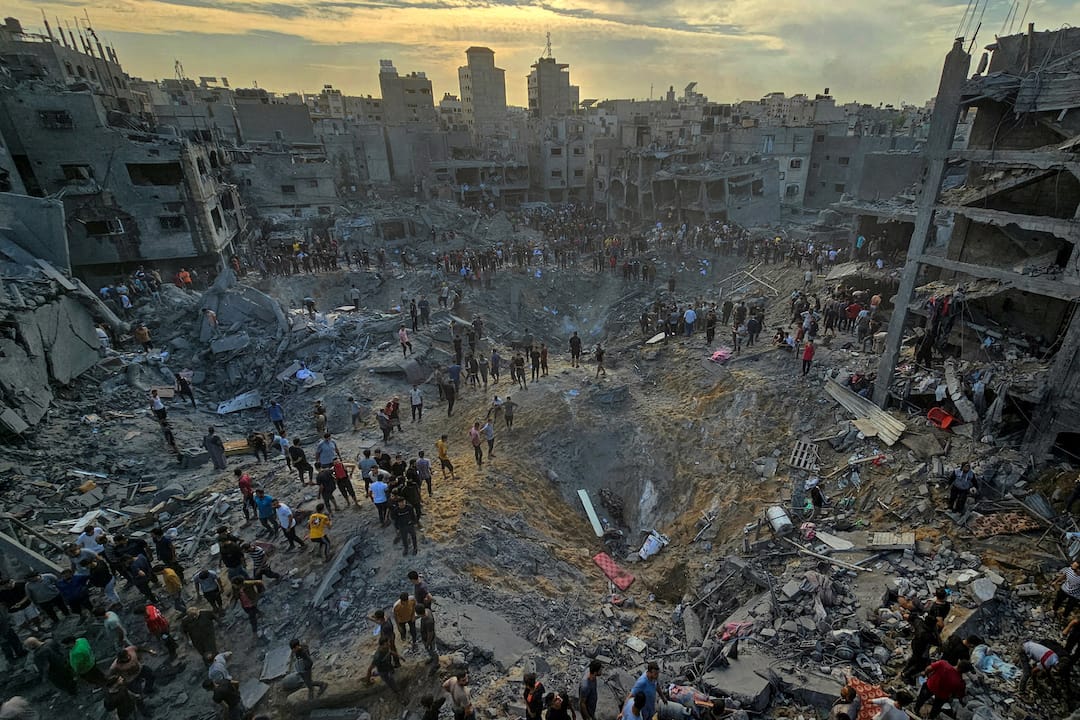
yanomami.net – In an era where globalization has made the world seem smaller and more accessible, there are still pockets of the globe where conflict, violence, and instability reign supreme. These war-torn countries are not just geographical locations on a map; they are places where the fabric of society has been shredded by war, where the daily struggle for survival overshadows any semblance of normalcy. This article delves into the world’s most dangerous countries, examining the root causes of their instability and the impact on their populations.

Syria: A Decade of Devastation

Syria, once a country rich in history and culture, has been ravaged by a brutal civil war since 2011. The conflict, which began with peaceful protests, escalated into a full-blown war involving government forces, rebel groups, and foreign powers. The result has been catastrophic, with hundreds of thousands dead, millions displaced, and cities reduced to rubble. The use of chemical weapons, sieges, and indiscriminate bombing have made Syria one of the most dangerous places on earth.

Afghanistan: The Forever War

Afghanistan has been embroiled in conflict for decades, from the Soviet invasion in the 1980s to the U.S.-led invasion in 2001. The country has been a battleground for various factions, including the Taliban, ISIS, and international coalition forces. Despite the withdrawal of U.S. troops in 2021, the situation remains volatile, with the Taliban regaining control and imposing a strict interpretation of Islamic law. Afghanistan’s future is uncertain, with ongoing violence, human rights abuses, and a collapsing economy.

Yemen: A Humanitarian Catastrophe

Yemen, located on the southern tip of the Arabian Peninsula, has been torn apart by a complex civil war since 2014. The conflict pits the Houthi rebels, who control the capital Sana’a, against the internationally recognized government backed by a Saudi-led coalition. The war has led to widespread destruction, a collapsed state, and one of the world’s worst humanitarian crises. Millions of Yemenis are at risk of famine, and the country’s infrastructure is in ruins.

South Sudan: Born in Bloodshed

South Sudan, the world’s youngest country, gained independence from Sudan in 2011. However, its birth was soon followed by a brutal civil war that erupted in 2013. The conflict, characterized by ethnic violence, has led to tens of thousands of deaths and over 4 million people displaced. South Sudan’s economy is in shambles, and the country faces widespread food insecurity and disease.

Iraq: A Fragile Peace

Iraq has been a theater of conflict since the 2003 U.S.-led invasion that toppled Saddam Hussein. The country has since faced insurgencies, sectarian violence, and the rise of ISIS, which at its peak controlled large swathes of Iraqi territory. Although ISIS has been militarily defeated, Iraq remains fragile, with ongoing political instability, corruption, and sporadic violence. The legacy of war has left deep scars on Iraqi society.

The Human Cost

The impact of these conflicts on human life is immeasurable. Civilians are often caught in the crossfire, with innocent lives lost and communities destroyed. The psychological toll on survivors is profound, with trauma, grief, and displacement becoming part of their daily reality. Moreover, the infrastructure necessary for a functioning society—hospitals, schools, and utilities—is frequently targeted or neglected, exacerbating the suffering.

The Road to Recovery

The path to peace and stability in these war-torn countries is fraught with challenges. It requires not only a cessation of hostilities but also a commitment to reconciliation, justice, and rebuilding. International support, in the form of humanitarian aid, peacekeeping efforts, and diplomatic engagement, is crucial. However, sustainable peace must be driven by the people of these countries, with inclusive governance and respect for human rights at its core.

In conclusion, the world’s most dangerous countries are not just statistics or news headlines; they are home to millions of people yearning for peace. Understanding the complexities of these conflicts is the first step toward finding lasting solutions. As the global community, it is our responsibility to stand in solidarity with those affected, to support their journey toward recovery, and to work tirelessly for a more peaceful world.

Writers Who Shaped the World: Scribes of History

yanomami.net – Throughout the annals of history, there have been countless individuals who have left their indelible mark on the world. Among these, a special group stands out: the scribes of history, the writers whose words have not only chronicled the events of their times but have also shaped the course of human civilization. These authors, through their narratives, have influenced the way we think, the way we govern, and the way we interact with one another. Their works have become the bedrock of our understanding of the past, the foundation of our present, and the blueprint for our future.

One of the earliest and most influential of these scribes was Herodotus, often referred to as the “Father of History.” His work, “The Histories,” chronicled the Greco-Persian Wars and provided a detailed account of the various cultures he encountered during his travels. Herodotus’s method of inquiry and storytelling laid the groundwork for the field of historiography, teaching future generations the importance of seeking out multiple perspectives and questioning received wisdom.

Another towering figure in the pantheon of historical writers is Thucydides, whose “History of the Peloponnesian War” is considered a masterpiece of political and military analysis. Thucydides’s rigorous approach to evidence and his deep insights into the nature of power and human nature have made his work a cornerstone of Western thought.

Moving forward in time, the works of Julius Caesar, particularly his “Commentarii de Bello Gallico” (Commentaries on the Gallic War), offer a unique glimpse into the mind of a military and political genius. Caesar’s clear and concise prose not only detailed his military campaigns but also served as a powerful tool of propaganda, cementing his legacy as one of Rome’s greatest leaders.

The Middle Ages brought forth a new breed of scribes, with figures like Marco Polo and Ibn Battuta chronicling their travels across the known world. Polo’s “The Travels of Marco Polo” introduced Europe to the wonders of the East, while Ibn Battuta’s “Rihla” provided a richly detailed account of Islamic societies. These works expanded the horizons of their readers, fostering a greater understanding of the diverse cultures that populated the globe.

The Renaissance saw a resurgence of interest in the classical world, with writers like Niccolò Machiavelli and Erasmus of Rotterdam shaping the intellectual landscape of their time. Machiavelli’s “The Prince” offered a pragmatic view of politics and power, while Erasmus’s “In Praise of Folly” critiqued the follies of human nature and society.

As the modern era dawned, writers such as Voltaire, Thomas Paine, and Mary Wollstonecraft used their pens as weapons in the fight for enlightenment, democracy, and gender equality. Voltaire’s satirical works exposed the absurdities of the French aristocracy, Paine’s “Common Sense” inspired the American colonies to declare independence, and Wollstonecraft’s “A Vindication of the Rights of Woman” laid the groundwork for modern feminism.

In the 19th and 20th centuries, the role of the writer as a shaper of history continued to evolve. Figures like Charles Dickens and Harriet Beecher Stowe used their novels to highlight social injustices, influencing public opinion on issues such as child labor and slavery. Meanwhile, philosophers and political theorists like Karl Marx, John Maynard Keynes, and Simone de Beauvoir provided the intellectual framework for major political and social movements of the 20th century.

The 21st century has seen the rise of a new generation of scribes, who use not only traditional forms of writing but also digital platforms to reach a global audience. Bloggers, journalists, and social media influencers now have the power to shape public discourse and influence the course of events in real-time.

The legacy of these scribes of history is a testament to the power of the written word. Their works remind us that history is not just a series of events that happen to us, but a story that we collectively write, day by day, word by word. As we continue to add our own chapters to this ongoing narrative, we would do well to remember the lessons of those who have gone before us, whose words have not only chronicled the past but have also illuminated the path to the future.