Exploring the Delicious World of Nasi Goreng (Fried Rice)

yanomami.net – Nasi Goreng, which translates to “fried rice” in Indonesian, is a beloved dish that holds a special place in the hearts and kitchens of many Southeast Asian countries. Known for its rich, savory flavor and vibrant presentation, Nasi Goreng is not only a staple in Indonesian cuisine but has also gained international popularity for its simplicity and versatility.

The Origins of Nasi Goreng

The history of Nasi Goreng is deeply intertwined with the cultural exchanges that have occurred throughout Southeast Asia. The dish originally emerged as a way to repurpose leftover rice, a common practice in many rice-consuming cultures. Over time, it evolved into a culinary masterpiece, with each region adding its unique twist and ingredients.

Key Ingredients and Preparation

At its core, Nasi Goreng consists of cooked rice stir-fried with a variety of ingredients. The key components typically include:

  • Rice: Preferably day-old rice, which is drier and less sticky, making it ideal for frying.
  • Protein: Options include chicken, shrimp, beef, or tofu, allowing for both vegetarian and non-vegetarian variations.
  • Vegetables: Common additions are shallots, garlic, and a variety of vegetables like carrots and peas.
  • Seasonings: Soy sauce, kecap manis (a sweet soy sauce), and a selection of spices such as chili, tamarind, and shrimp paste contribute to its distinctive flavor.
  • Garnishes: Fried shallots, cucumber slices, and a fried egg often top the dish, enhancing both its taste and appearance.

Cooking Techniques

The preparation of Nasi Goreng requires skillful frying, where the rice is tossed with the other ingredients in a hot wok. The high heat ensures that the rice absorbs the flavors without becoming mushy. This method also adds a slightly smoky aroma, which is a hallmark of authentic Nasi Goreng.

Variations Across Regions

While the basic recipe remains the same, regional variations of Nasi Goreng abound:

  • Nasi Goreng Kampung: Known for its simplicity, this village-style fried rice includes anchovies and is less sweet than other versions.
  • Nasi Goreng Pattaya: A Malaysian twist where the fried rice is wrapped in a thin omelet.
  • Nasi Goreng USA: Despite its name, this Indonesian version includes chicken, shrimp, and salted fish.

Nasi Goreng’s Global Influence

Nasi Goreng’s popularity has transcended geographical boundaries, making it a favorite in many international restaurants. Its adaptability allows chefs worldwide to incorporate local ingredients, creating unique fusion dishes that retain the essence of traditional Nasi Goreng.

Conclusion

Nasi Goreng is more than just a dish; it is a cultural icon representing the rich culinary heritage of Indonesia and Southeast Asia. Its ability to adapt while maintaining its traditional roots makes it a versatile and enduring favorite. Whether enjoyed as a comforting homemade meal or a gourmet restaurant offering, Nasi Goreng continues to delight food lovers around the world.
Exploring São Paulo: A Vibrant Metropolis

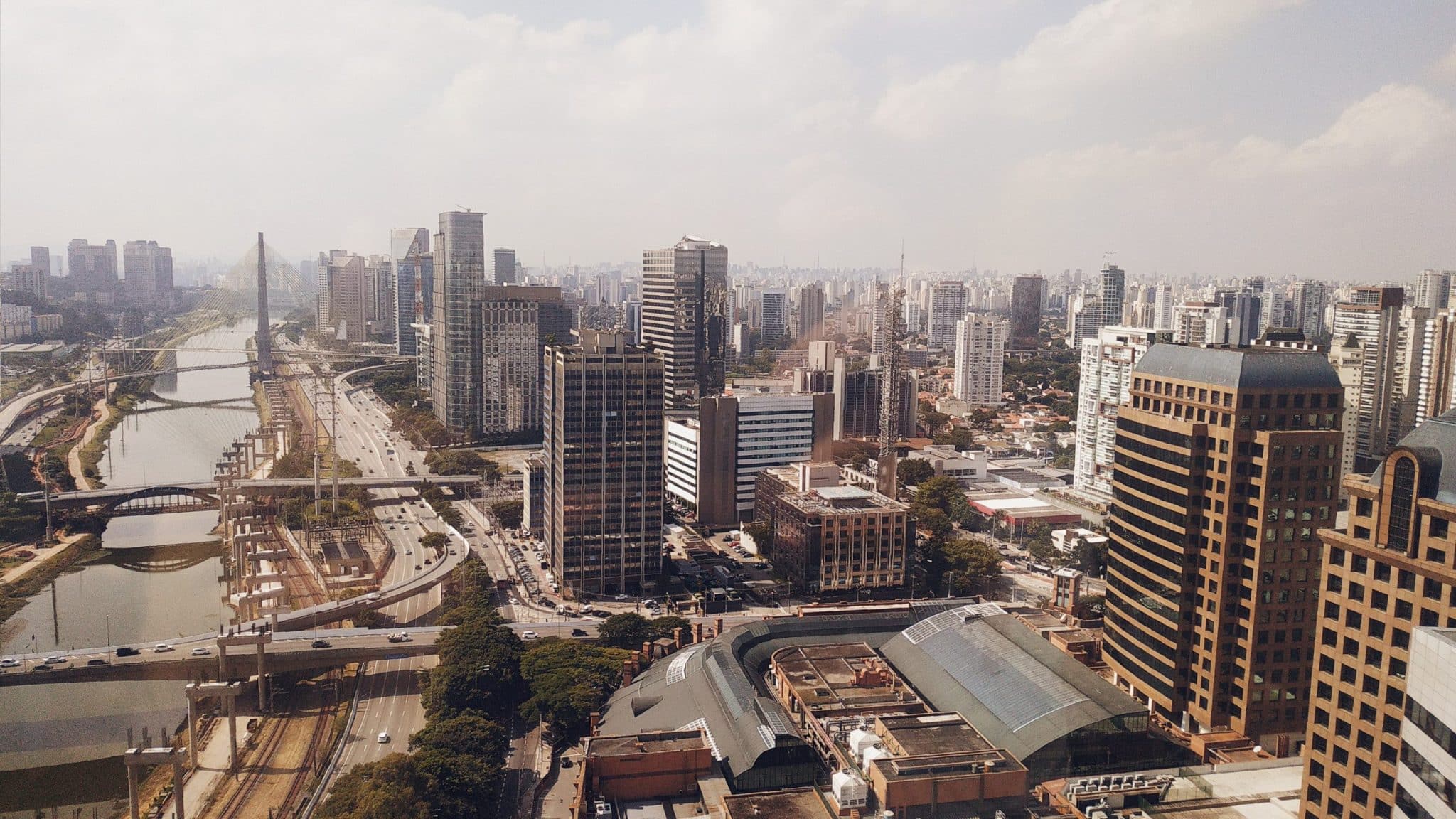
yanomami.net – São Paulo, often referred to as Sampa, is the largest city in Brazil and a bustling hub of culture, commerce, and diversity. With a population exceeding 12 million, it stands as one of the most populous cities in the world. As a melting pot of cultures and ethnicities, São Paulo offers a rich tapestry of experiences, making it a fascinating destination for travelers and a dynamic place for its residents.

A Brief History

São Paulo’s history dates back to January 25, 1554, when it was founded by Jesuit priests. Initially a modest mission station, the city grew rapidly due to its strategic location and the coffee boom in the 19th century. This economic surge attracted immigrants from all over the world, particularly from Italy, Japan, and the Middle East, which contributed to the city’s multicultural character.

The Cultural Capital

São Paulo is often regarded as the cultural capital of Brazil. The city boasts an impressive array of museums, galleries, and theaters. The São Paulo Museum of Art (MASP), with its striking modernist architecture, houses one of the finest collections of Western art in Latin America. The city also hosts the São Paulo Art Biennial, one of the most significant contemporary art events in the world.

For those interested in music and performance, the city’s vibrant theater scene and numerous music festivals, including the renowned Lollapalooza Brazil, offer endless entertainment options. The city’s cultural diversity is also reflected in its culinary scene, with a wide variety of international cuisines available, from traditional Brazilian fare to Japanese sushi and Italian pasta.

Economic Powerhouse

São Paulo is not just a cultural hub but also an economic powerhouse. It is the financial center of Brazil and home to the B3, one of the largest stock exchanges in the world. The city’s economy is diverse, with strengths in finance, commerce, technology, and industry. This economic vitality attracts professionals and businesses from around the globe, contributing to its status as a global city.

Urban Challenges and Innovation

Like many megacities, São Paulo faces significant urban challenges, including traffic congestion, pollution, and social inequality. However, the city is also a leader in urban innovation, with initiatives aimed at improving public transportation and sustainability. The expansion of the metro system and the development of green spaces are part of efforts to enhance the quality of life for its residents.

Conclusion

São Paulo is a city of contrasts and opportunities, where the past and present collide in a dynamic blend of tradition and modernity. Whether you’re exploring its rich historical sites, indulging in its diverse culinary delights, or engaging with its vibrant cultural scene, São Paulo offers an unforgettable experience. As it continues to evolve and innovate, this metropolis remains a testament to the enduring spirit and resilience of its people.

Space City Adventures: Exploring Houston’s Aerospace Legacy

yanomami.net – Houston, Texas, fondly known as “Space City,” holds a unique place in aerospace history. From its pivotal role in the Apollo missions to its ongoing contributions to space exploration, Houston’s legacy in aerospace is both rich and enduring. This article delves into the history, present, and future of Houston’s aerospace endeavors, exploring why this city remains at the forefront of space exploration.

The Birth of Space City

Houston’s journey to becoming Space City began in the 1960s when NASA selected the city as the site for its Manned Spacecraft Center, now known as the Johnson Space Center. This decision was influenced by Houston’s existing infrastructure, political support, and its proximity to universities and technical resources. The presence of this center cemented Houston’s role in space exploration, making it the nerve center for America’s space missions.

The Apollo Era

The Apollo program marked a golden era for Houston. The city was the command hub for the historic Apollo 11 mission, during which Neil Armstrong took humanity’s first steps on the moon. The famous words, “Houston, Tranquility Base here. The Eagle has landed,” echoed around the globe, forever linking the city to one of mankind’s greatest achievements.

Beyond Apollo: Space Shuttle and ISS

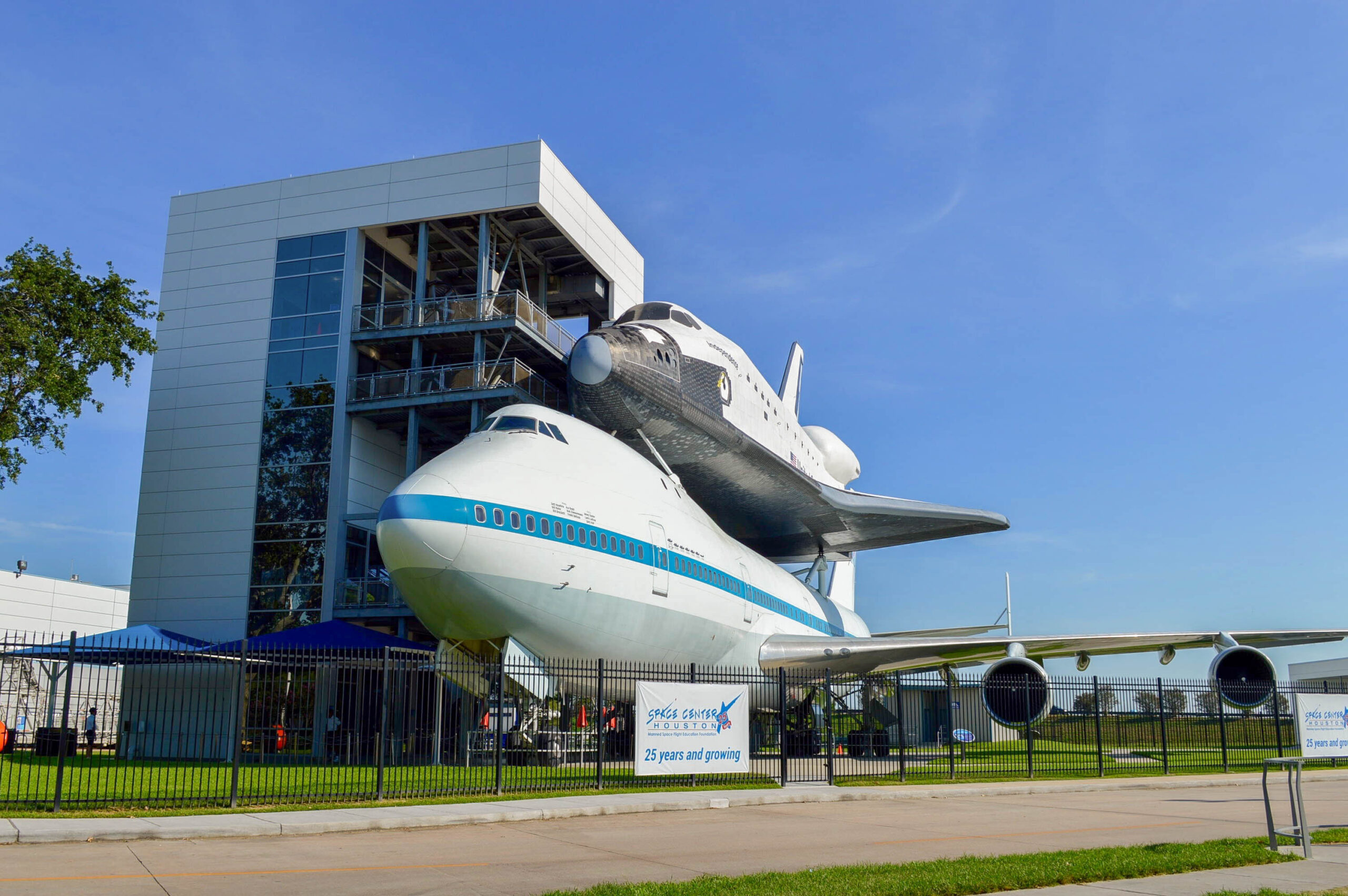
Following the successes of the Apollo missions, Houston continued to play a critical role in the space shuttle program. The Johnson Space Center became the home for shuttle mission control, overseeing numerous flights that expanded human knowledge and capabilities in space. Additionally, Houston has been instrumental in the development and operations of the International Space Station (ISS), fostering international collaboration in space science and technology.

The Present: A Hub for Innovation

Today, Houston is not just about NASA. The city has become a hub for private aerospace companies and innovation. With the establishment of the Houston Spaceport, the city is poised to lead the next wave of space exploration and commercialization. Companies like Axiom Space and Intuitive Machines are setting up operations, promising new advancements in lunar exploration and commercial space travel.

Educational and Cultural Influence

Houston’s aerospace legacy extends beyond technology and innovation. The city is home to Space Center Houston, a leading science and space exploration learning center. This educational institution inspires curiosity and passion for space among visitors and students alike, ensuring that future generations are prepared to continue Houston’s legacy in aerospace.

Conclusion

Houston’s legacy as Space City is one of innovation, exploration, and inspiration. From its historic role in the Apollo missions to its present and future as a leader in space innovation, Houston continues to be a beacon of aerospace achievement. As the city embraces new technologies and collaborations, its contributions to space exploration are set to reach new heights, promising exciting adventures for generations to come.

Sunshine and Surf: Exploring San Diego’s Coastal Charms

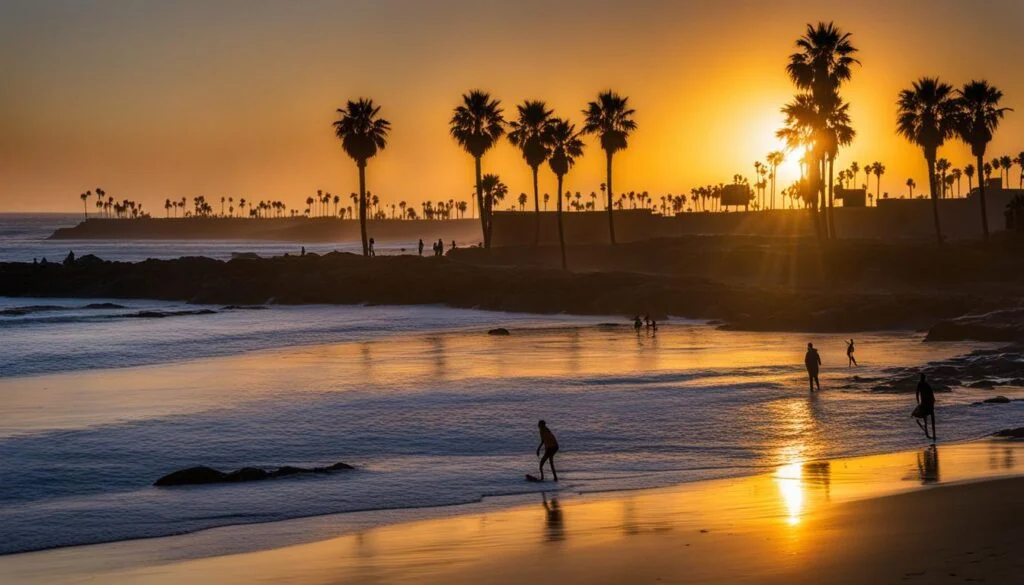
yanomami.net – Nestled along the picturesque Southern California coastline, San Diego is a city that effortlessly blends vibrant urban life with stunning natural beauty. Known for its year-round pleasant weather, miles of sandy beaches, and laid-back atmosphere, San Diego offers a coastal escape like no other. Whether you’re a sun-seeker, a surfing enthusiast, or someone who simply loves the ocean breeze, this city has something to enchant every visitor. Join us as we explore the coastal charms of San Diego, where sunshine and surf create an unforgettable experience.

A Beach Lover’s Paradise

San Diego boasts some of the most beautiful beaches in the United States, each offering its own unique allure. From the bustling shores of Mission Beach to the tranquil sands of La Jolla Cove, there’s a beach for every type of beachgoer. Mission Beach is perfect for those who enjoy a lively atmosphere with beachside bars, restaurants, and the iconic Belmont Park amusement park. For those seeking a more serene environment, La Jolla Cove offers stunning views and opportunities for snorkeling and kayaking.

Surfing Adventures

Surfing is more than just a sport in San Diego—it’s a way of life. With consistent waves and a welcoming surf culture, the city is a haven for surfers of all levels. Beginners can take lessons at Pacific Beach, where gentle waves provide the perfect conditions to learn. More experienced surfers can head to Black’s Beach, known for its powerful swells and challenging surf. No matter where you choose to ride the waves, the thrill of surfing in San Diego is an experience you won’t forget.

Exploring Coastal Trails

Beyond the beaches, San Diego’s coastline offers a variety of scenic trails perfect for hiking and exploring. The Torrey Pines State Natural Reserve features trails that wind through coastal bluffs, offering breathtaking views of the Pacific Ocean. The Sunset Cliffs Natural Park is another favorite, where visitors can enjoy dramatic sea views and stunning sunsets. These trails provide a chance to connect with nature and witness the raw beauty of San Diego’s coastline.

Marine Life Encounters

San Diego’s coastal waters are teeming with diverse marine life, making it a fantastic destination for wildlife enthusiasts. La Jolla is renowned for its vibrant underwater ecosystem, where snorkelers and divers can encounter colorful fish, sea turtles, and even leopard sharks in the summer months. For a truly unforgettable experience, consider a whale-watching tour to witness majestic gray whales and blue whales as they migrate along the coast.

Conclusion

San Diego’s coastal charms are a testament to the city’s unique blend of natural beauty and vibrant culture. Whether you’re basking in the sun on a golden beach, catching a wave, exploring scenic trails, or encountering marine life, San Diego offers a coastal adventure that captures the essence of Southern California. As you soak up the sunshine and surf, you’ll discover why this city is a beloved destination for travelers from around the world.

Exploring the Vibrant Neighborhoods of Los Angeles

yanomami.net – Los Angeles, the City of Angels, is renowned for its diverse culture, entertainment industry, and iconic landmarks. Beyond the glitz and glamour of Hollywood, the city is a mosaic of vibrant neighborhoods, each with its own unique character and charm. Let’s embark on a journey to explore some of the most captivating areas in this sprawling metropolis.

Downtown Los Angeles: A Blend of History and Modernity

Downtown Los Angeles (DTLA) is a dynamic hub of culture, history, and innovation. With its towering skyscrapers, historic theaters, and contemporary art galleries, DTLA offers a perfect blend of old and new. The Arts District is a must-visit for art enthusiasts, featuring colorful murals and trendy galleries. For a taste of history, the historic core boasts architectural gems like the Bradbury Building and the Los Angeles Theatre.

Hollywood: The Entertainment Capital

No visit to Los Angeles is complete without a stop in Hollywood. Known as the entertainment capital of the world, Hollywood is home to the iconic Walk of Fame, Hollywood Sign, and the TCL Chinese Theatre. Visitors can indulge in the glitz and glamour by taking a studio tour or exploring the Hollywood Museum. The area also offers a vibrant nightlife scene with numerous bars and live music venues.

Santa Monica: Beachfront Bliss

Santa Monica is a quintessential Southern California beachfront city. With its famous pier, sandy beaches, and bustling promenade, Santa Monica is perfect for those seeking sun, surf, and seaside fun. The Santa Monica Pier offers thrilling amusement park rides and stunning ocean views. The Third Street Promenade is a shopper’s paradise, lined with boutiques, restaurants, and street performers.

Venice Beach: Bohemian Spirit

Known for its bohemian spirit, Venice Beach is a vibrant community with a unique blend of artists, musicians, and beachgoers. The Venice Beach Boardwalk is a lively spectacle, featuring street performers, eclectic shops, and colorful murals. The Venice Canals, inspired by Italy’s iconic waterways, offer a serene escape from the bustling boardwalk.

Silver Lake: Hipster Haven

Silver Lake is a trendy neighborhood known for its indie music scene, artisanal coffee shops, and hipster vibe. The area is home to the Silver Lake Reservoir, a popular spot for jogging and picnicking. Sunset Boulevard, which runs through Silver Lake, is dotted with vintage boutiques, record stores, and eclectic eateries. The neighborhood’s vibrant nightlife scene includes live music venues and trendy bars.

Koreatown: A Culinary Adventure

Koreatown, or K-town, is a bustling neighborhood renowned for its diverse culinary offerings. From traditional Korean barbecue to innovative fusion cuisine, Koreatown is a food lover’s paradise. The area also boasts a vibrant nightlife, with karaoke bars, speakeasies, and late-night eateries. For a taste of Korean culture, visitors can explore traditional markets and cultural centers.

Conclusion

Los Angeles is a city of contrasts and diversity, where each neighborhood offers a unique experience and atmosphere. Whether you’re drawn to the historic charm of Downtown, the glitz of Hollywood, or the bohemian vibes of Venice Beach, there’s something for everyone in this vibrant city. Exploring the neighborhoods of Los Angeles is like uncovering a treasure trove of culture, cuisine, and creativity, making it a destination worth visiting time and again.