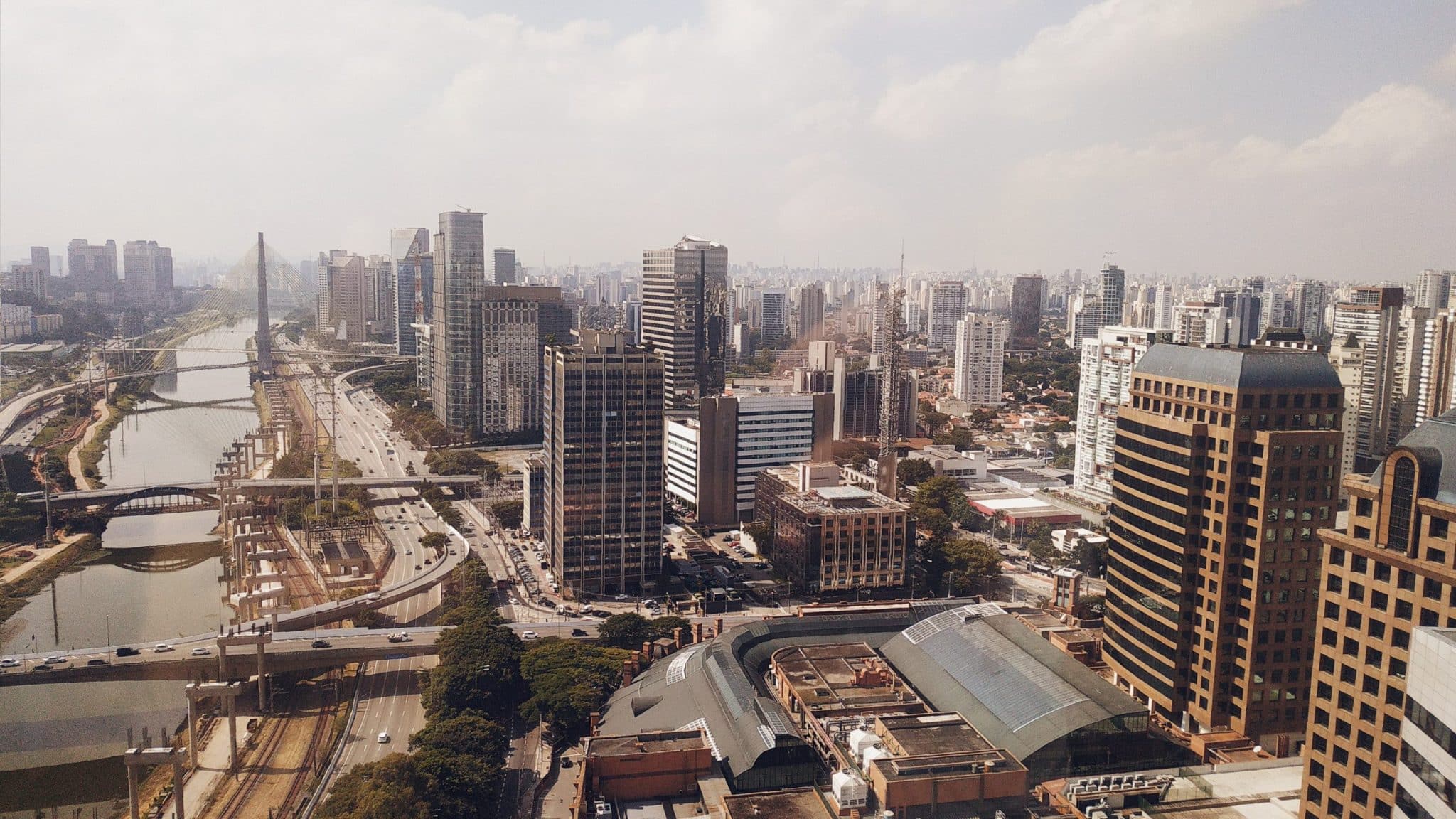
Exploring São Paulo: A Vibrant Metropolis

yanomami.net – São Paulo, often referred to as Sampa, is the largest city in Brazil and a bustling hub of culture, commerce, and diversity. With a population exceeding 12 million, it stands as one of the most populous cities in the world. As a melting pot of cultures and ethnicities, São Paulo offers a rich tapestry of experiences, making it a fascinating destination for travelers and a dynamic place for its residents.

A Brief History

São Paulo’s history dates back to January 25, 1554, when it was founded by Jesuit priests. Initially a modest mission station, the city grew rapidly due to its strategic location and the coffee boom in the 19th century. This economic surge attracted immigrants from all over the world, particularly from Italy, Japan, and the Middle East, which contributed to the city’s multicultural character.

The Cultural Capital

São Paulo is often regarded as the cultural capital of Brazil. The city boasts an impressive array of museums, galleries, and theaters. The São Paulo Museum of Art (MASP), with its striking modernist architecture, houses one of the finest collections of Western art in Latin America. The city also hosts the São Paulo Art Biennial, one of the most significant contemporary art events in the world.

For those interested in music and performance, the city’s vibrant theater scene and numerous music festivals, including the renowned Lollapalooza Brazil, offer endless entertainment options. The city’s cultural diversity is also reflected in its culinary scene, with a wide variety of international cuisines available, from traditional Brazilian fare to Japanese sushi and Italian pasta.

Economic Powerhouse

São Paulo is not just a cultural hub but also an economic powerhouse. It is the financial center of Brazil and home to the B3, one of the largest stock exchanges in the world. The city’s economy is diverse, with strengths in finance, commerce, technology, and industry. This economic vitality attracts professionals and businesses from around the globe, contributing to its status as a global city.

Urban Challenges and Innovation

Like many megacities, São Paulo faces significant urban challenges, including traffic congestion, pollution, and social inequality. However, the city is also a leader in urban innovation, with initiatives aimed at improving public transportation and sustainability. The expansion of the metro system and the development of green spaces are part of efforts to enhance the quality of life for its residents.

Conclusion

São Paulo is a city of contrasts and opportunities, where the past and present collide in a dynamic blend of tradition and modernity. Whether you’re exploring its rich historical sites, indulging in its diverse culinary delights, or engaging with its vibrant cultural scene, São Paulo offers an unforgettable experience. As it continues to evolve and innovate, this metropolis remains a testament to the enduring spirit and resilience of its people.

Venezuela’s Economic Recovery Strategies in 2024

yanomami.net – In 2024, Venezuela has embarked on a multifaceted journey to revive its economy, which has been battered by years of economic turmoil and political instability. The country’s economic recovery strategies are a blend of internal reforms and external collaborations, aimed at stabilizing the economy, reducing inflation, and fostering growth.

Tax Revenue and Economic Growth

One of the significant indicators of Venezuela’s economic recovery is the increase in tax revenue. From January to May 2024, the country’s tax collection exceeded $43 billion, reflecting a 93% increase from the previous year. This surge in tax revenue is a testament to the growing economic activities within the country, indicating a positive trend in economic recovery.

Oil Production and Agricultural Growth

Venezuela’s oil production has shown a remarkable recovery, with the government projecting a daily production of nearly 100,000 barrels by the end of 2024. This increase in oil production is crucial for the country’s economy, as oil exports are a major source of revenue. Additionally, the agricultural sector has also shown signs of recovery, with a 5.8% increase in agricultural production year-over-year1. This growth in both oil and agricultural sectors is pivotal for diversifying the economy and reducing its reliance on oil exports.

International Collaborations

Venezuela’s economic recovery strategy also includes strengthening international relations, particularly with China and Russia. These collaborations are expected to enhance economic ties and potentially attract foreign investment, which is essential for the country’s economic revival. The strategic partnerships are aimed at stabilizing the economy and providing a more secure environment for international trade and investment.

Inflation Control and Economic Stabilization

Despite the economic recovery, Venezuela continues to face challenges such as inflation. However, there has been a significant reduction in inflation rates, which has eased the pressure on the local currency and improved access to food. This stabilization of the economy is crucial for restoring consumer confidence and encouraging investment.

Challenges and Future Prospects

While the economic indicators show a positive trend, Venezuela still faces significant challenges such as food insecurity and unemployment. The country’s economic recovery is contingent upon addressing these issues and ensuring sustainable growth. The government’s focus on diversifying the economy and strengthening international collaborations is a step in the right direction, but sustained efforts are required to achieve long-term stability and prosperity.

In conclusion, Venezuela’s economic recovery in 2024 is a testament to the resilience of its people and the effectiveness of its recovery strategies. By focusing on tax revenue growth, oil and agricultural production, and international collaborations, the country is moving towards a more stable and prosperous future. However, the path to full recovery is still fraught with challenges, and continued efforts are necessary to ensure sustained economic growth and stability.

The Economics Behind Major Fashion Shows: Business of Beauty

yanomami.net – In the dazzling world of high fashion, major fashion shows are not just extravagant displays of creativity and style; they are complex business operations that drive the global fashion economy. These events, held in fashion capitals like Paris, Milan, New York, and London, are where designers showcase their latest collections, set trends, and attract the attention of buyers, celebrities, and the media. But behind the glitz and glamour lies a sophisticated economic engine that fuels the multibillion-dollar fashion industry.

The Economic Impact

Major fashion shows have a significant economic impact on the cities that host them. They attract thousands of visitors, including industry professionals, journalists, and fashion enthusiasts, who contribute to the local economy through spending on hotels, restaurants, transportation, and shopping. For example, New York Fashion Week generates an estimated $887 million in economic impact for the city, according to a study by Oxford Economics.

Brand Exposure and Marketing

For fashion brands, participating in major fashion shows is a crucial marketing strategy. The exposure gained from these events can significantly increase brand awareness and prestige. Designers use the runway to tell a story, create a brand identity, and establish a connection with their target audience. The media coverage, both traditional and social, can be invaluable, offering brands a global platform to showcase their creativity and craftsmanship.

Sales and Retail Impact

The collections shown on the runway directly influence sales. Buyers from major retailers and boutiques attend fashion shows to select pieces for their stores. The immediate feedback from these buyers can help designers gauge market interest and adjust production accordingly. Additionally, fashion shows create buzz and anticipation for upcoming collections, driving consumer demand and pre-orders.

The Cost of Participation

While the benefits of participating in major fashion shows are clear, the costs can be substantial. Designers must cover expenses such as venue rental, production costs (including sets, lighting, and sound), models, hair and makeup artists, and invitations. The total cost can range from hundreds of thousands to millions of dollars, depending on the scale of the show. For emerging designers, these costs can be prohibitive, leading to a debate about the accessibility and sustainability of the current fashion show model.

The Future of Fashion Shows

The fashion industry is evolving, with digital innovation changing how fashion shows are experienced and consumed. Livestreams and digital showcases have become increasingly popular, offering a more inclusive and accessible experience for a global audience. Some brands are experimenting with see-now-buy-now formats, where collections are available for purchase immediately after the show, rather than the traditional six-month lead time.

Conclusion

Major fashion shows are more than just a spectacle; they are a critical component of the fashion industry’s economic ecosystem. They drive brand exposure, influence sales, and contribute to the economic vitality of host cities. As the industry continues to evolve, the role of fashion shows will undoubtedly change, but their significance as a business tool for designers and brands is undeniable. The business of beauty is not just about the art of fashion; it’s about the strategic use of creativity to drive economic success in a highly competitive global market.