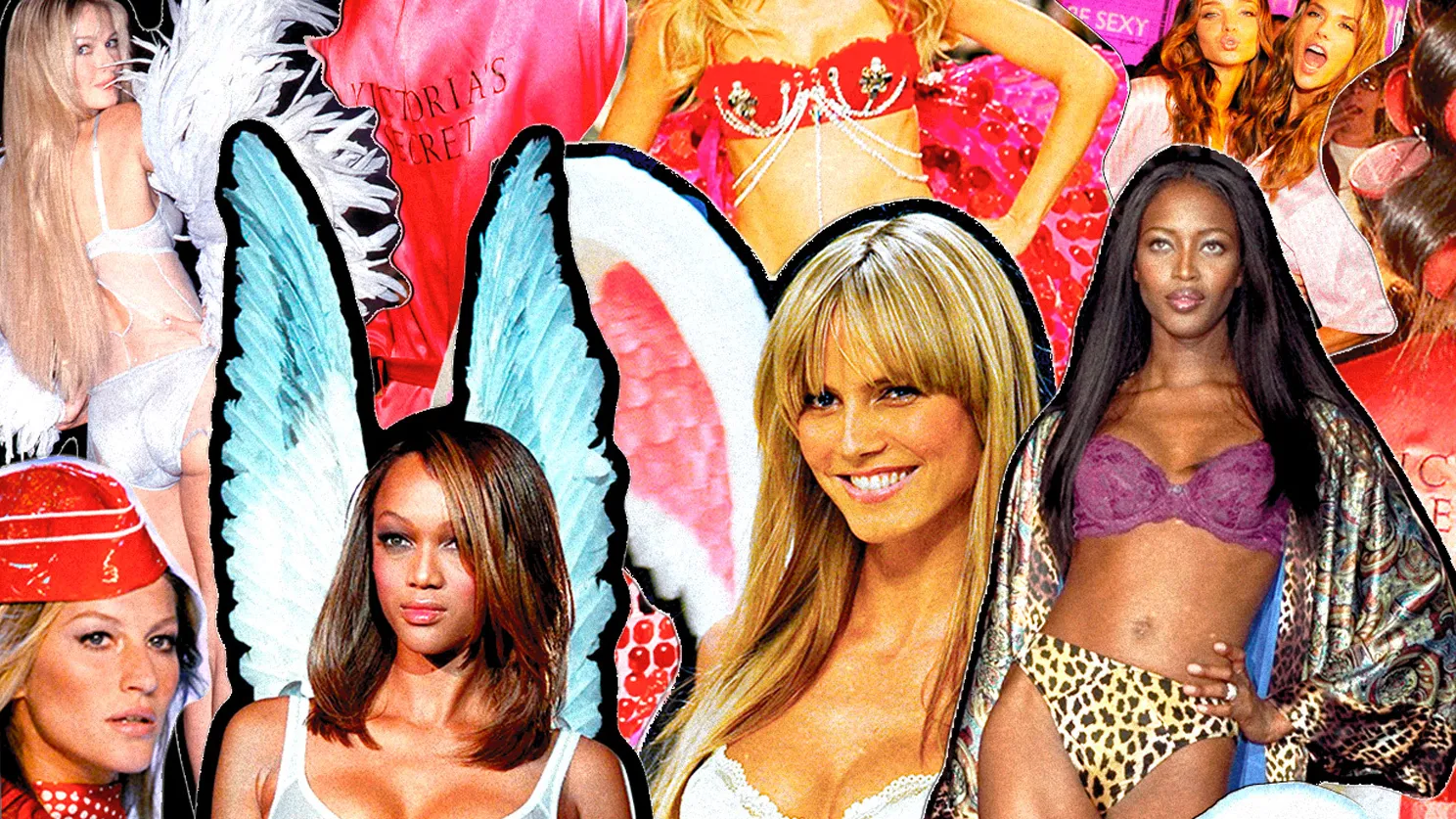
The Evolution of Victoria’s Secret: A Fashion Empire

yanomami.net – Victoria’s Secret, a name synonymous with glamour and allure, has been a dominant force in the fashion industry for decades. This article explores the evolution of this iconic brand, from its humble beginnings to becoming a global fashion powerhouse.

The Inception

Founded in 1977 by Roy Raymond in San Francisco, Victoria’s Secret was created with a unique vision: to make lingerie shopping a more comfortable experience for men. Raymond’s idea stemmed from his own discomfort while shopping for his wife, and thus, the first store was designed to resemble a Victorian boudoir, providing a welcoming atmosphere for both men and women.

Rapid Expansion

The brand’s success was almost immediate, leading to rapid expansion. In 1982, Victoria’s Secret was sold to Les Wexner, founder of The Limited. Under Wexner’s leadership, the brand underwent a transformation, focusing on creating a fantasy experience with its products and stores. This shift in strategy laid the foundation for Victoria’s Secret to become the largest lingerie retailer in the United States.

The Fashion Show Phenomenon

One of the most significant milestones in Victoria’s Secret’s history was the launch of the annual Victoria’s Secret Fashion Show in 1995. The event quickly became a cultural phenomenon, showcasing top supermodels and entertainers, and was broadcasted to millions worldwide. The fashion show was not just a display of lingerie but a celebration of beauty, entertainment, and fashion.

Challenges and Criticism

Despite its success, Victoria’s Secret faced significant challenges in the late 2010s. Criticisms emerged regarding the brand’s narrow portrayal of beauty and lack of diversity. The fashion show was canceled in 2019 amid declining viewership and changing consumer preferences. The brand struggled to adapt to a market increasingly focused on inclusivity and body positivity.

Rebranding and Resurgence

In recent years, Victoria’s Secret has embarked on a journey of rebranding and reinvention. The company has made efforts to diversify its product offerings and marketing strategies, including casting a wider range of models and emphasizing inclusivity. This strategic shift aims to align the brand with modern values and regain its position as a leader in the fashion industry.

Conclusion

Victoria’s Secret’s journey from a single store in San Francisco to a global fashion empire is a testament to its resilience and adaptability. While the brand has faced its share of controversies and challenges, its ability to evolve and embrace change continues to define its legacy in the fashion world. As Victoria’s Secret moves forward, it remains poised to captivate audiences with its unique blend of glamour and innovation.
The British Model and Fashion Icon: Jourdan Dunn

yanomami.net – Jourdan Dunn, a name synonymous with elegance, strength, and diversity in the fashion world, has carved out a unique space for herself as one of the most influential models of her generation. Born in London in 1990, Dunn’s journey from a young girl with dreams of stardom to a global fashion icon is nothing short of inspirational. Her story is a testament to talent, hard work, and the power of representation in the industry.

Early Beginnings and Rise to Fame

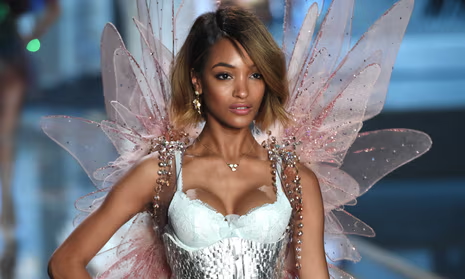
Dunn’s modeling career began at the tender age of nine when she was scouted at a Primark store in London. However, it was her appearance in the 2008 Victoria’s Secret Fashion Show that catapulted her to international fame. This was a significant moment for the British model, marking her as one of the few black models to walk in the prestigious show. Her unique beauty, combined with her confident stride, made her an instant favorite among fashion enthusiasts and industry professionals alike.

Breaking Barriers and Setting Trends

Jourdan Dunn has been a trailblazer in the fashion industry, breaking barriers and setting trends. She has been a beacon of diversity and inclusivity, challenging the industry’s narrow standards of beauty. Dunn has walked the runways for some of the most prestigious fashion houses, including Prada, Burberry, and Calvin Klein, among others. Her ability to effortlessly transition between high fashion and commercial work has solidified her status as a fashion icon.

Beyond the Runway: Entrepreneurship and Advocacy

Beyond her modeling career, Dunn has ventured into entrepreneurship and advocacy. She launched her own modeling agency, LUXE Models, with the aim of providing opportunities for young models of color. This initiative reflects her commitment to diversity and inclusivity in the fashion industry. Additionally, Dunn has been an outspoken advocate for various causes, including body positivity and mental health awareness. Her platform has been a powerful tool for change, inspiring others to embrace their uniqueness and speak out on important issues.

Personal Style and Influence

Jourdan Dunn’s personal style is as diverse and dynamic as her career. She effortlessly blends high fashion with streetwear, creating looks that are both aspirational and relatable. Her influence extends beyond the runway, with millions of followers on social media who look to her for fashion inspiration. Dunn’s ability to connect with her audience on a personal level has made her one of the most beloved figures in the industry.

Conclusion

Jourdan Dunn’s journey from a young girl with dreams of stardom to a global fashion icon is a testament to her talent, hard work, and resilience. Her impact on the fashion industry extends beyond the runway, as she continues to challenge norms and advocate for change. As she evolves in her career, there’s no doubt that Jourdan Dunn will continue to inspire and break barriers, cementing her legacy as one of the most influential models of her generation.

The Economics Behind Major Fashion Shows: Business of Beauty

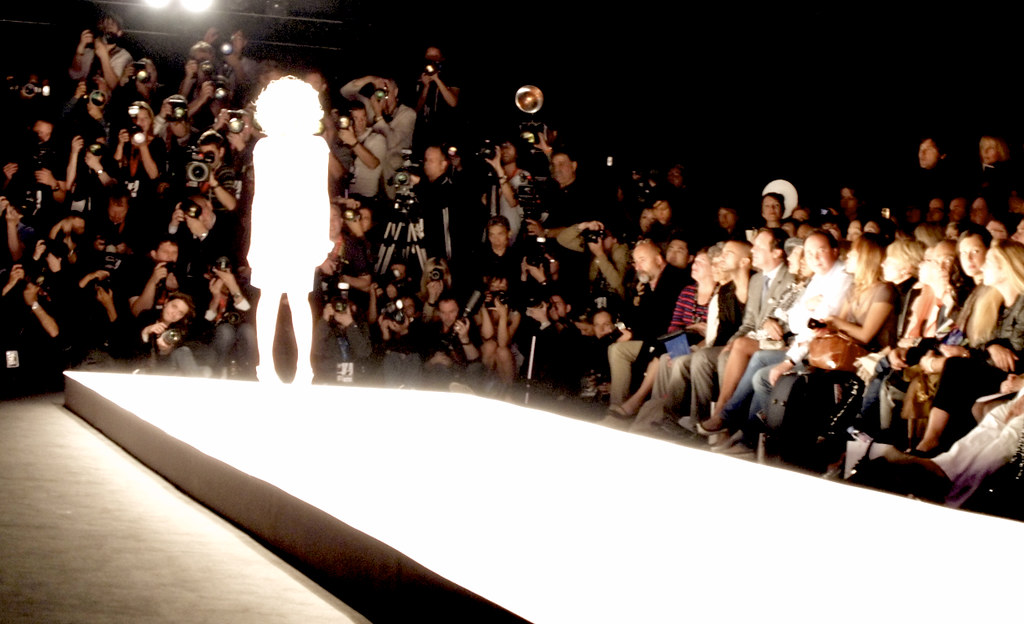
yanomami.net – In the dazzling world of high fashion, major fashion shows are not just extravagant displays of creativity and style; they are complex business operations that drive the global fashion economy. These events, held in fashion capitals like Paris, Milan, New York, and London, are where designers showcase their latest collections, set trends, and attract the attention of buyers, celebrities, and the media. But behind the glitz and glamour lies a sophisticated economic engine that fuels the multibillion-dollar fashion industry.

The Economic Impact

Major fashion shows have a significant economic impact on the cities that host them. They attract thousands of visitors, including industry professionals, journalists, and fashion enthusiasts, who contribute to the local economy through spending on hotels, restaurants, transportation, and shopping. For example, New York Fashion Week generates an estimated $887 million in economic impact for the city, according to a study by Oxford Economics.

Brand Exposure and Marketing

For fashion brands, participating in major fashion shows is a crucial marketing strategy. The exposure gained from these events can significantly increase brand awareness and prestige. Designers use the runway to tell a story, create a brand identity, and establish a connection with their target audience. The media coverage, both traditional and social, can be invaluable, offering brands a global platform to showcase their creativity and craftsmanship.

Sales and Retail Impact

The collections shown on the runway directly influence sales. Buyers from major retailers and boutiques attend fashion shows to select pieces for their stores. The immediate feedback from these buyers can help designers gauge market interest and adjust production accordingly. Additionally, fashion shows create buzz and anticipation for upcoming collections, driving consumer demand and pre-orders.

The Cost of Participation

While the benefits of participating in major fashion shows are clear, the costs can be substantial. Designers must cover expenses such as venue rental, production costs (including sets, lighting, and sound), models, hair and makeup artists, and invitations. The total cost can range from hundreds of thousands to millions of dollars, depending on the scale of the show. For emerging designers, these costs can be prohibitive, leading to a debate about the accessibility and sustainability of the current fashion show model.

The Future of Fashion Shows

The fashion industry is evolving, with digital innovation changing how fashion shows are experienced and consumed. Livestreams and digital showcases have become increasingly popular, offering a more inclusive and accessible experience for a global audience. Some brands are experimenting with see-now-buy-now formats, where collections are available for purchase immediately after the show, rather than the traditional six-month lead time.

Conclusion

Major fashion shows are more than just a spectacle; they are a critical component of the fashion industry’s economic ecosystem. They drive brand exposure, influence sales, and contribute to the economic vitality of host cities. As the industry continues to evolve, the role of fashion shows will undoubtedly change, but their significance as a business tool for designers and brands is undeniable. The business of beauty is not just about the art of fashion; it’s about the strategic use of creativity to drive economic success in a highly competitive global market.

Prada’s Paradox: The Intersection of Fashion and Intellect

yanomami.net – In the ever-evolving landscape of high fashion, few names resonate with the same level of sophistication and intellectual curiosity as Prada. Founded in 1913 by Mario Prada, the Italian luxury fashion house has, under the creative direction of Miuccia Prada since the late 1970s, become synonymous with a unique paradox: the seamless blending of fashion with intellect, creating a discourse that challenges traditional notions of beauty, functionality, and cultural significance. This article delves into the essence of Prada’s paradox, exploring how the brand has managed to intertwine the realms of fashion and intellect to create a distinctive identity that resonates with both the fashion-forward and the intellectually inclined.

At the heart of Prada’s paradox lies Miuccia Prada herself, a figure as enigmatic as the brand she leads. With a background in political science and a doctorate in the philosophy of architecture, Miuccia’s approach to fashion is deeply rooted in intellectual inquiry. Her designs often reflect a thoughtful engagement with contemporary culture, politics, and philosophy, challenging the notion that fashion is merely a superficial pursuit. Instead, Prada’s collections frequently serve as a canvas for exploring complex themes, from the nature of identity and power to the impact of technology on society.

One of the most striking aspects of Prada’s paradox is the brand’s ability to translate intellectual concepts into wearable fashion. This is achieved through a meticulous attention to detail, innovative use of materials, and a bold approach to design that eschews traditional notions of elegance in favor of a more cerebral aesthetic. Prada’s iconic nylon backpacks, for example, subvert the luxury fashion industry’s preference for leather goods, instead embracing the utilitarian and the modern. Similarly, Prada’s ready-to-wear collections often feature unexpected combinations of textures, patterns, and silhouettes that challenge conventional notions of beauty, urging the wearer and observer alike to reconsider their perceptions of fashion.

Prada’s commitment to intellectual discourse extends beyond its fashion collections. The brand’s advertising campaigns, store designs, and collaborations with artists and intellectuals further cement its reputation as a cultural tastemaker. Prada’s collaborations with artists such as James Jean, Yang Fudong, and Thomas Demand, among others, have resulted in thought-provoking installations and exhibitions that blur the lines between art, fashion, and philosophy. These collaborations not only enrich the brand’s cultural capital but also invite consumers to engage with fashion on a deeper, more intellectual level.

Moreover, Prada’s establishment of the Fondazione Prada in Milan in 2015 serves as a testament to the brand’s dedication to fostering intellectual dialogue. The foundation, housed in a complex designed by renowned architect Rem Koolhaas, hosts a wide range of exhibitions, events, and research initiatives that explore the intersection of art, science, and culture. Through the Fondazione Prada, Prada not only contributes to the cultural landscape but also encourages a broader conversation about the role of fashion in society.

In conclusion, Prada’s paradox lies in its unique ability to merge fashion with intellect, creating a discourse that transcends the superficial to engage with deeper cultural and philosophical themes. Under the visionary leadership of Miuccia Prada, the brand has become a symbol of the intellectual potential of fashion, challenging both the industry and its consumers to think more deeply about the clothes we wear and the messages they convey. Prada’s paradox is not just a testament to the brand’s creativity and innovation but also a reflection of the evolving relationship between fashion and intellect in the 21st century.