
The Evolution of Victoria’s Secret: A Fashion Empire

yanomami.net – Victoria’s Secret, a name synonymous with glamour and allure, has been a dominant force in the fashion industry for decades. This article explores the evolution of this iconic brand, from its humble beginnings to becoming a global fashion powerhouse.

The Inception

Founded in 1977 by Roy Raymond in San Francisco, Victoria’s Secret was created with a unique vision: to make lingerie shopping a more comfortable experience for men. Raymond’s idea stemmed from his own discomfort while shopping for his wife, and thus, the first store was designed to resemble a Victorian boudoir, providing a welcoming atmosphere for both men and women.

Rapid Expansion

The brand’s success was almost immediate, leading to rapid expansion. In 1982, Victoria’s Secret was sold to Les Wexner, founder of The Limited. Under Wexner’s leadership, the brand underwent a transformation, focusing on creating a fantasy experience with its products and stores. This shift in strategy laid the foundation for Victoria’s Secret to become the largest lingerie retailer in the United States.

The Fashion Show Phenomenon

One of the most significant milestones in Victoria’s Secret’s history was the launch of the annual Victoria’s Secret Fashion Show in 1995. The event quickly became a cultural phenomenon, showcasing top supermodels and entertainers, and was broadcasted to millions worldwide. The fashion show was not just a display of lingerie but a celebration of beauty, entertainment, and fashion.

Challenges and Criticism

Despite its success, Victoria’s Secret faced significant challenges in the late 2010s. Criticisms emerged regarding the brand’s narrow portrayal of beauty and lack of diversity. The fashion show was canceled in 2019 amid declining viewership and changing consumer preferences. The brand struggled to adapt to a market increasingly focused on inclusivity and body positivity.

Rebranding and Resurgence

In recent years, Victoria’s Secret has embarked on a journey of rebranding and reinvention. The company has made efforts to diversify its product offerings and marketing strategies, including casting a wider range of models and emphasizing inclusivity. This strategic shift aims to align the brand with modern values and regain its position as a leader in the fashion industry.

Conclusion

Victoria’s Secret’s journey from a single store in San Francisco to a global fashion empire is a testament to its resilience and adaptability. While the brand has faced its share of controversies and challenges, its ability to evolve and embrace change continues to define its legacy in the fashion world. As Victoria’s Secret moves forward, it remains poised to captivate audiences with its unique blend of glamour and innovation.
Exotic Ingredients in Royal Kitchens: The Spice of Empire

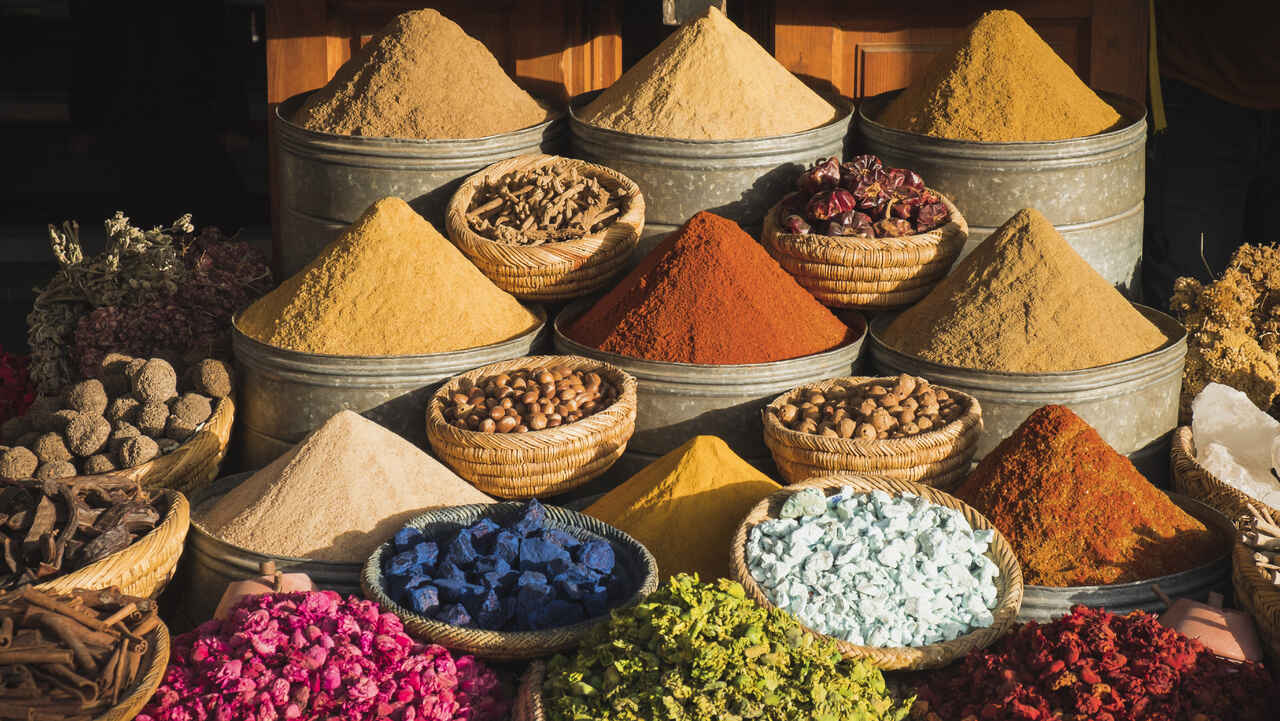
yanomami.net – Throughout history, the kitchens of royalty have been the stage for culinary innovation and the showcase for the most exotic and luxurious ingredients that empires could procure. These ingredients, often sourced from the farthest reaches of the known world, were not only a testament to the wealth and power of the ruling class but also played a pivotal role in shaping the culinary landscape of their respective eras. This article delves into the world of royal kitchens, exploring the exotic ingredients that have seasoned the palates of kings, queens, and emperors, and the impact they have had on the global culinary heritage.

The Allure of the Exotic

In the royal kitchens, the exotic was not just a flavor; it was a statement. It spoke of conquest, trade, and the ability to command resources from distant lands. Spices like saffron, pepper, and cinnamon were not merely seasonings; they were symbols of status and power. The quest for these exotic ingredients fueled exploration, colonization, and the establishment of trade routes that connected continents.

The Spice Trade and Royal Cuisine

The spice trade was one of the most lucrative and competitive enterprises in history. European powers, in particular, were driven by a desire to control the flow of spices from the East. The Portuguese, under the command of Vasco da Gama, were the first Europeans to reach India by sea, opening a direct route to the spice markets of the East. This was followed by the Dutch and the British, who established their own trading posts and eventually colonized parts of Asia to secure their access to these precious commodities.

In the royal kitchens of Europe, these spices were used to create dishes that were as much a display of wealth as they were a culinary experience. Saffron, with its vibrant color and unique flavor, was used to dye dishes yellow, a color associated with luxury and royalty. Pepper, which was so valuable it was used as currency, added a new dimension of flavor to dishes that were previously seasoned with more readily available herbs. Cinnamon, cloves, and nutmeg were used in sweet and savory dishes alike, transforming the culinary landscape of Europe.

Exotic Ingredients Beyond Spices

While spices were the most sought-after exotic ingredients, royal kitchens also experimented with a variety of other ingredients that were rare and difficult to obtain. Sugar, which was initially as valuable as spices, was used to create elaborate confections and to sweeten dishes that would now seem unusual to our modern palates. Chocolate, introduced to Europe from the New World, became a favorite among the elite, enjoyed as a drink and later as a solid confection.

Tea, coffee, and cocoa were other exotic commodities that found their way into royal kitchens. These beverages, initially considered medicinal, became symbols of sophistication and were served in elaborate ceremonies that reflected the grandeur of the royal courts.

The Legacy of Exotic Ingredients

The use of exotic ingredients in royal kitchens has left a lasting legacy on the culinary world. Many of the spices and ingredients that were once the preserve of royalty are now commonplace in kitchens around the globe. The exploration and trade that were driven by the desire for these ingredients have also led to the exchange of culinary techniques and the blending of flavors that have given rise to new cuisines.

Moreover, the history of these ingredients serves as a reminder of the complex web of connections that bind different cultures and continents. The spice trade, in particular, is a testament to the power of flavor to inspire adventure, drive economies, and shape the course of history.

In conclusion, the exotic ingredients that graced the tables of royalty were more than just seasonings; they were the spice of empire, embodying the wealth, power, and reach of the empires that sought them. From the kitchens of ancient Rome to the courts of Renaissance Europe, these ingredients have played a pivotal role in the evolution of global cuisine, leaving a legacy that continues to influence our palates and our world today.