Space City Adventures: Exploring Houston’s Aerospace Legacy

yanomami.net – Houston, Texas, fondly known as “Space City,” holds a unique place in aerospace history. From its pivotal role in the Apollo missions to its ongoing contributions to space exploration, Houston’s legacy in aerospace is both rich and enduring. This article delves into the history, present, and future of Houston’s aerospace endeavors, exploring why this city remains at the forefront of space exploration.

The Birth of Space City

Houston’s journey to becoming Space City began in the 1960s when NASA selected the city as the site for its Manned Spacecraft Center, now known as the Johnson Space Center. This decision was influenced by Houston’s existing infrastructure, political support, and its proximity to universities and technical resources. The presence of this center cemented Houston’s role in space exploration, making it the nerve center for America’s space missions.

The Apollo Era

The Apollo program marked a golden era for Houston. The city was the command hub for the historic Apollo 11 mission, during which Neil Armstrong took humanity’s first steps on the moon. The famous words, “Houston, Tranquility Base here. The Eagle has landed,” echoed around the globe, forever linking the city to one of mankind’s greatest achievements.

Beyond Apollo: Space Shuttle and ISS

Following the successes of the Apollo missions, Houston continued to play a critical role in the space shuttle program. The Johnson Space Center became the home for shuttle mission control, overseeing numerous flights that expanded human knowledge and capabilities in space. Additionally, Houston has been instrumental in the development and operations of the International Space Station (ISS), fostering international collaboration in space science and technology.

The Present: A Hub for Innovation

Today, Houston is not just about NASA. The city has become a hub for private aerospace companies and innovation. With the establishment of the Houston Spaceport, the city is poised to lead the next wave of space exploration and commercialization. Companies like Axiom Space and Intuitive Machines are setting up operations, promising new advancements in lunar exploration and commercial space travel.

Educational and Cultural Influence

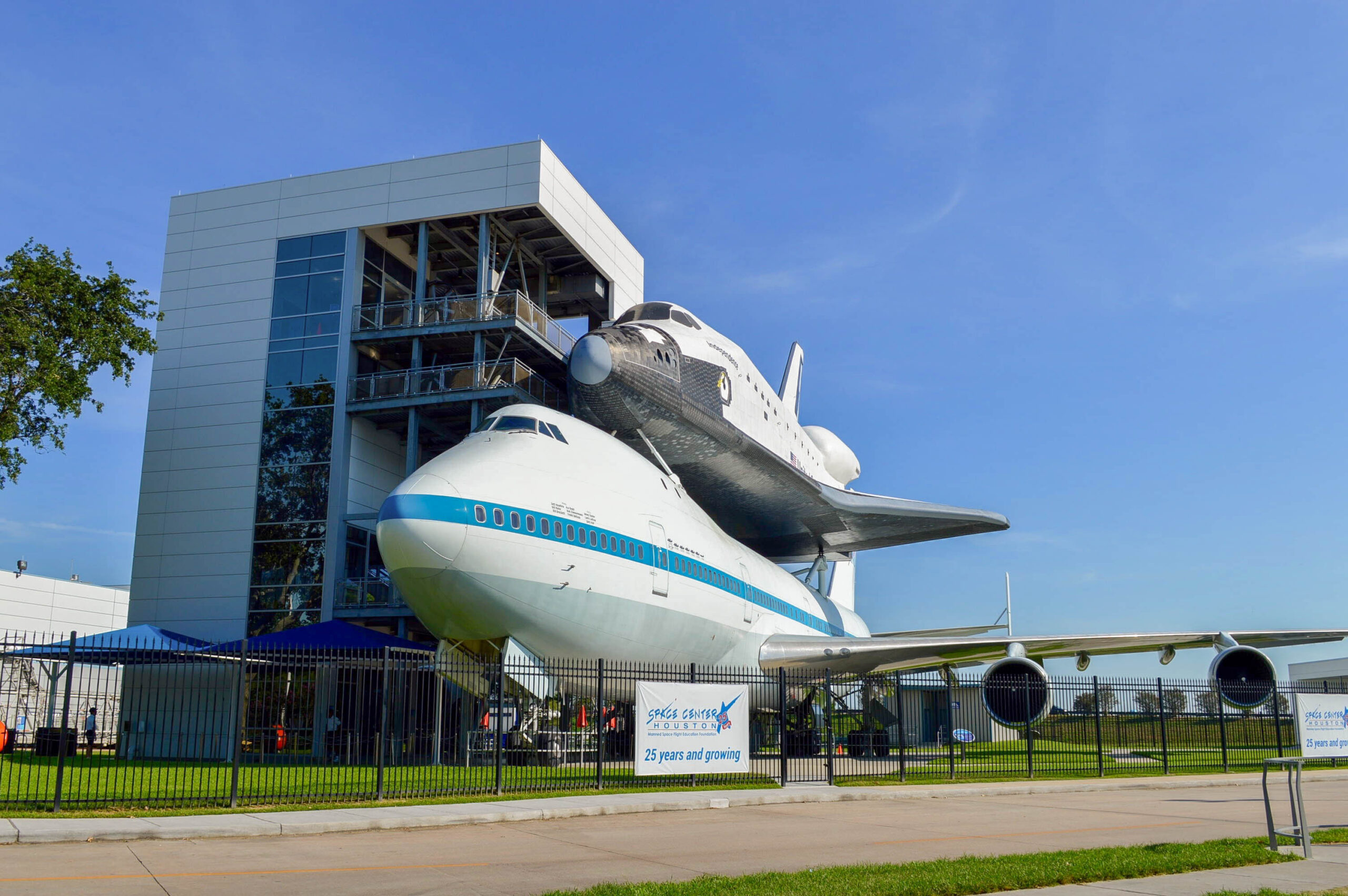
Houston’s aerospace legacy extends beyond technology and innovation. The city is home to Space Center Houston, a leading science and space exploration learning center. This educational institution inspires curiosity and passion for space among visitors and students alike, ensuring that future generations are prepared to continue Houston’s legacy in aerospace.

Conclusion

Houston’s legacy as Space City is one of innovation, exploration, and inspiration. From its historic role in the Apollo missions to its present and future as a leader in space innovation, Houston continues to be a beacon of aerospace achievement. As the city embraces new technologies and collaborations, its contributions to space exploration are set to reach new heights, promising exciting adventures for generations to come.
A Home in Orbit: International Space Station

yanomami.net – Floating 250 miles above the Earth, the International Space Station (ISS) serves as a unique home for astronauts and a laboratory for scientists from around the globe. This orbiting marvel is a testament to international cooperation and a symbol of human ingenuity. In this article, we will explore the history, purpose, and daily life aboard the ISS, highlighting its significance in the ongoing exploration of space.

A Brief History

The idea of a space station has long fascinated humanity, with visions of orbiting habitats dating back to the early 20th century. The ISS, however, became a reality in the 1990s, when NASA, Roscosmos, JAXA, ESA, and CSA joined forces to create a unique international partnership. The first component of the ISS was launched in 1998, and since then, the station has grown into a complex structure, with contributions from various space agencies.

Design and Construction

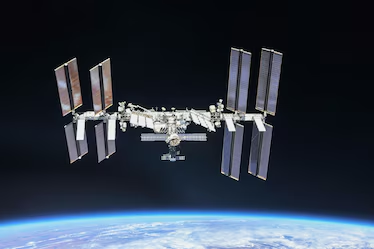
The ISS is a modular structure, with each module serving a specific purpose. The station’s main components include living quarters, laboratories, airlocks for spacewalks, solar arrays for power, and docking ports for spacecraft. The design allows for expansion and upgrades, with new modules occasionally added to enhance the station’s capabilities.

Life Aboard the ISS

Living on the ISS is unlike any experience on Earth. Astronauts live in a microgravity environment, which means they are in a constant state of free fall. This affects every aspect of their lives, from eating and sleeping to exercising and conducting experiments.

Astronauts aboard the ISS follow a rigorous schedule, with each day meticulously planned. Their tasks include conducting scientific research, maintaining the station’s systems, and performing spacewalks for repairs and installations. Despite the demanding work, the crew also finds time for leisure activities, such as photography and video calls with family back on Earth.

Scientific Research

The ISS is a unique laboratory for conducting experiments in a microgravity environment. Research aboard the station spans various fields, including biology, physics, astronomy, and human health. Studies on the ISS have led to advancements in medicine, materials science, and our understanding of the effects of long-duration spaceflight on the human body.

International Cooperation

One of the most remarkable aspects of the ISS is its role as a beacon of international cooperation. The project involves 15 countries and has hosted astronauts from over 20 different nations. This collaboration has fostered a spirit of unity and has set a precedent for future international space endeavors.

The Future of the ISS

The ISS has been continuously occupied since November 2000, making it one of the longest-running human spaceflight missions in history. While the station’s current operational plan extends to 2030, discussions about its future are ongoing. Some propose the development of successor stations, while others envision commercial entities taking over the role of maintaining a human presence in low Earth orbit.

Conclusion

The International Space Station is more than just a scientific laboratory; it is a symbol of human achievement and cooperation. As a home in orbit, it provides a unique platform for research and exploration, pushing the boundaries of what we can learn about the universe and ourselves. The ISS stands as a testament to what can be accomplished when nations work together towards a common goal, and it will undoubtedly continue to inspire future generations to reach for the stars.