Space City Adventures: Exploring Houston’s Aerospace Legacy

yanomami.net – Houston, Texas, fondly known as “Space City,” holds a unique place in aerospace history. From its pivotal role in the Apollo missions to its ongoing contributions to space exploration, Houston’s legacy in aerospace is both rich and enduring. This article delves into the history, present, and future of Houston’s aerospace endeavors, exploring why this city remains at the forefront of space exploration.

The Birth of Space City

Houston’s journey to becoming Space City began in the 1960s when NASA selected the city as the site for its Manned Spacecraft Center, now known as the Johnson Space Center. This decision was influenced by Houston’s existing infrastructure, political support, and its proximity to universities and technical resources. The presence of this center cemented Houston’s role in space exploration, making it the nerve center for America’s space missions.

The Apollo Era

The Apollo program marked a golden era for Houston. The city was the command hub for the historic Apollo 11 mission, during which Neil Armstrong took humanity’s first steps on the moon. The famous words, “Houston, Tranquility Base here. The Eagle has landed,” echoed around the globe, forever linking the city to one of mankind’s greatest achievements.

Beyond Apollo: Space Shuttle and ISS

Following the successes of the Apollo missions, Houston continued to play a critical role in the space shuttle program. The Johnson Space Center became the home for shuttle mission control, overseeing numerous flights that expanded human knowledge and capabilities in space. Additionally, Houston has been instrumental in the development and operations of the International Space Station (ISS), fostering international collaboration in space science and technology.

The Present: A Hub for Innovation

Today, Houston is not just about NASA. The city has become a hub for private aerospace companies and innovation. With the establishment of the Houston Spaceport, the city is poised to lead the next wave of space exploration and commercialization. Companies like Axiom Space and Intuitive Machines are setting up operations, promising new advancements in lunar exploration and commercial space travel.

Educational and Cultural Influence

Houston’s aerospace legacy extends beyond technology and innovation. The city is home to Space Center Houston, a leading science and space exploration learning center. This educational institution inspires curiosity and passion for space among visitors and students alike, ensuring that future generations are prepared to continue Houston’s legacy in aerospace.

Conclusion

Houston’s legacy as Space City is one of innovation, exploration, and inspiration. From its historic role in the Apollo missions to its present and future as a leader in space innovation, Houston continues to be a beacon of aerospace achievement. As the city embraces new technologies and collaborations, its contributions to space exploration are set to reach new heights, promising exciting adventures for generations to come.

Gilgamesh: An Ancient Tale of Adventure & Quest for Immortality

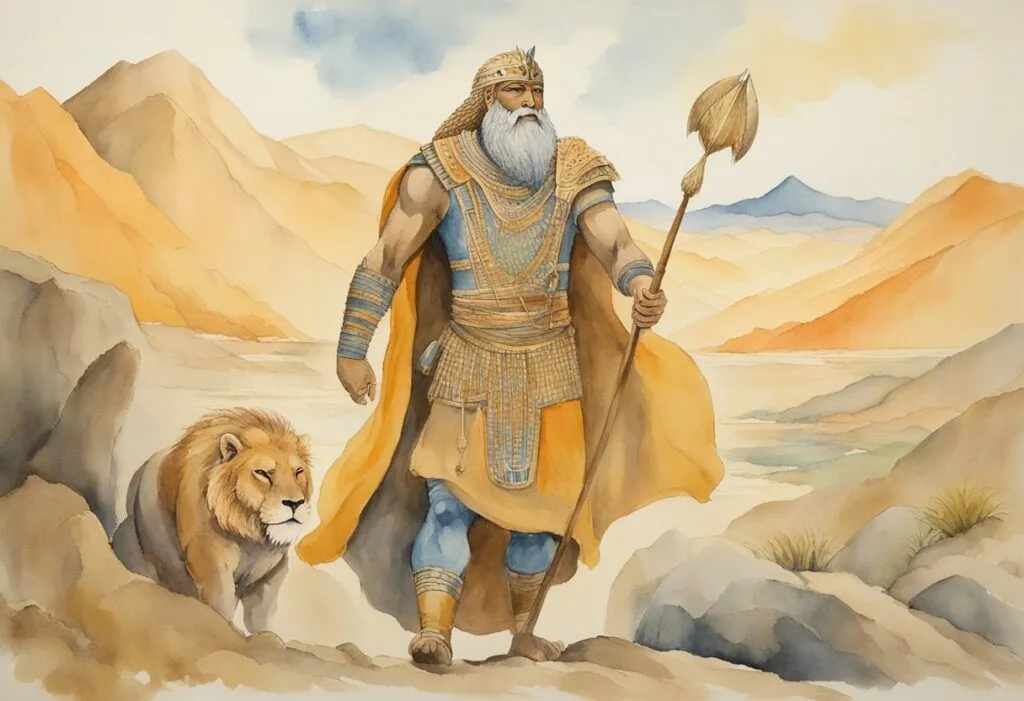
yanomami.net – The Epic of Gilgamesh is one of the oldest known pieces of literature, dating back to ancient Mesopotamia. It is a story that has captivated the imagination of people for millennia, detailing the adventures of Gilgamesh, the king of Uruk, a city that flourished around 2100 BCE in what is now modern-day Iraq. This epic poem not only provides insight into the culture and beliefs of the ancient Sumerians but also explores universal themes of friendship, mortality, and the human quest for meaning.

The Story of Gilgamesh

The Epic of Gilgamesh is a complex narrative that combines various Sumerian stories and poems into a single, cohesive tale. The standard version, as compiled by the scribe Sin-leqi-unninni around the 12th century BCE, consists of twelve tablets. The story begins with Gilgamesh, a semi-divine king, who is two-thirds god and one-third man. His tyrannical rule over Uruk leads the gods to create a wild man named Enkidu to challenge him.

The Meeting of Gilgamesh and Enkidu

The initial confrontation between Gilgamesh and Enkidu ends in a fierce battle, which ultimately leads to their mutual respect and a deep friendship. Together, they embark on a series of adventures, including the slaying of the monstrous Humbaba and the Bull of Heaven. These exploits, however, anger the gods, who decide to punish them for their hubris.

The Death of Enkidu

Enkidu is struck with illness and dies, leaving Gilgamesh devastated. This event marks a turning point in the epic, as Gilgamesh becomes obsessed with the idea of immortality. He sets out on a long and perilous journey to find Utnapishtim, the survivor of the Great Flood, who has been granted eternal life by the gods.

The Quest for Immortality

Gilgamesh’s quest is fraught with challenges and tests. He travels to the edge of the world, faces monsters, and endures great hardships. Upon finding Utnapishtim, he learns the story of the Flood and the reasons why the gods decided to grant Utnapishtim immortality. Despite his efforts, Gilgamesh is ultimately denied the gift of eternal life.

Themes and Significance

The Epic of Gilgamesh is rich in themes that resonate across cultures and time. It explores the nature of friendship, the inevitability of death, and the human desire to leave a lasting legacy. The story also provides valuable insights into the Mesopotamian worldview, including their beliefs about the gods, the afterlife, and the relationship between humanity and the divine.

Legacy and Influence

The Epic of Gilgamesh has had a profound influence on literature and culture, serving as a precursor to later epic traditions, such as those found in the works of Homer. Its themes of heroism, the search for meaning, and the acceptance of mortality continue to inspire and provoke reflection.

Conclusion

The Epic of Gilgamesh is more than just an ancient story; it is a timeless narrative that speaks to the human condition. Through the adventures of Gilgamesh and Enkidu, it delves into the depths of what it means to be human, confronting the realities of life, death, and the quest for something greater. As one of the earliest works of literature, it remains a testament to the enduring power of storytelling to explore the complexities of the human experience.

Adventures in Learning and Laughter: Kid Chronicles

yanomami.net – In the heart of every child lies an insatiable curiosity, a zest for discovery, and an unbridled joy that can turn the mundane into the marvelous. “Kid Chronicles: Adventures in Learning and Laughter” is a testament to this spirit, a collection of stories and experiences that celebrate the unique way children interact with the world around them. This series is not just about the adventures themselves, but about the lessons learned, the bonds formed, and the laughter shared along the way.

At the core of Kid Chronicles is the belief that learning should be a joyful experience. Each episode or chapter, depending on the medium, takes young readers or viewers on a journey that is both educational and entertaining. Whether it’s exploring the natural world, diving into the pages of history, or embarking on imaginative quests, Kid Chronicles ensures that every adventure is packed with facts, fun, and a healthy dose of humor.

The characters in Kid Chronicles are relatable and diverse, reflecting the rich tapestry of backgrounds and experiences that make up the world’s youth. They are brave, curious, and sometimes a little mischievous, but always ready to learn from their mistakes and grow from their experiences. Through their eyes, young audiences can see themselves and their friends, fostering a sense of belonging and inclusivity.

One of the hallmarks of Kid Chronicles is its ability to blend real-world knowledge with the magic of childhood imagination. For instance, an episode about the solar system might see the characters building their own spaceship out of cardboard boxes, only to be whisked away on an interstellar adventure where they meet the Sun and all the planets. Along the way, they learn about gravity, the different types of celestial bodies, and even the history of space exploration, all while having a cosmic good time.

Humor is another key element of Kid Chronicles. The series understands that laughter is a powerful tool in learning, breaking down barriers and making new concepts more accessible. Jokes, puns, and playful banter between characters keep the tone light and engaging, ensuring that even the most complex topics are approachable.

But Kid Chronicles is more than just fun and games. It also tackles important life lessons, such as the value of teamwork, the importance of perseverance, and the power of kindness. Through their adventures, the characters learn to work together, overcome challenges, and support one another, teaching young audiences valuable social and emotional skills.

Moreover, Kid Chronicles encourages active participation from its audience. Whether it’s through interactive segments, hands-on activities, or calls to action that inspire kids to explore their own world, the series is designed to be an immersive experience. It’s not just about watching or reading; it’s about doing, creating, and discovering.

In a world that can sometimes seem too big and too complicated for young minds, Kid Chronicles offers a beacon of hope and joy. It’s a reminder that learning is an adventure, and that every child has the potential to be an explorer, a scientist, an artist, or whatever they dream to be. By fostering a love of learning and a spirit of curiosity, Kid Chronicles: Adventures in Learning and Laughter is not just shaping the minds of tomorrow; it’s enriching the lives of children today.

Unveiling the Mysteries of “The Hidden Oracle”

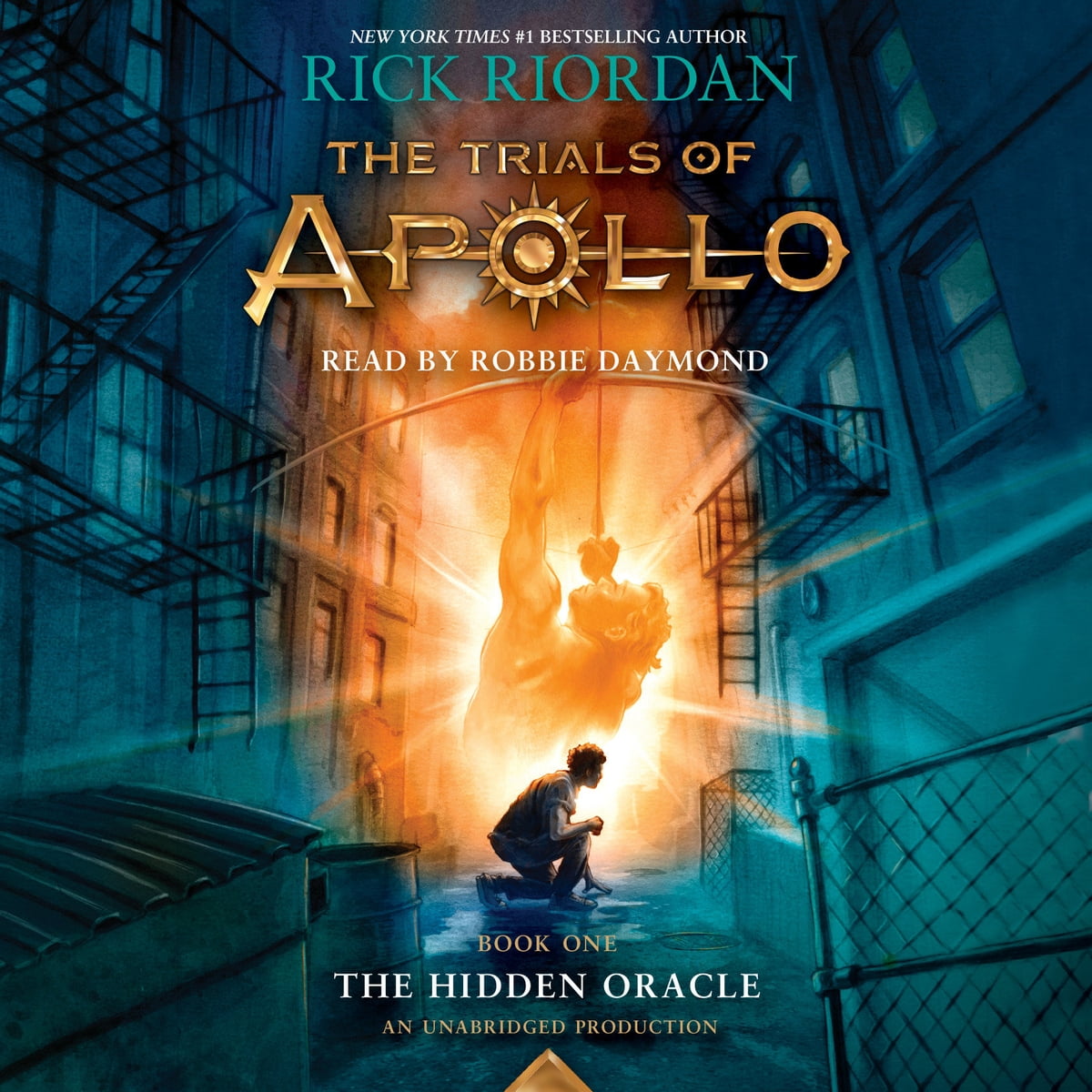
In the ever-expanding universe of modern mythological fiction, Rick Riordan stands as a titan, weaving ancient tales with contemporary settings to create stories that captivate readers of all ages. Among his many works, “The Hidden Oracle” marks the beginning of a new saga, The Trials of Apollo, which not only continues the legacy of his previous series but also introduces fresh perspectives and challenges. This article aims to explore the depths of “The Hidden Oracle,” examining its narrative, themes, and its place within the broader Riordanverse.

The Narrative of “The Hidden Oracle”:
“The Hidden Oracle” opens with Apollo, the Greek god of music, healing, and the sun, finding himself in an unfamiliar and humbling position: he has been turned into a mortal teenager named Lester Papadopoulos. This transformation is the result of his fall from grace with the other Olympian gods, who blame him for the rise of the Triumvirate of new Roman emperors seeking to overthrow them. Apollo’s quest for redemption leads him to Camp Half-Blood, where he meets a demigod named Meg McCaffrey, who becomes his unlikely companion and guide in the mortal world.

Together, they embark on a mission to find the Oracle of Delphi, who has been taken by the forces of the Triumvirate. Along the way, they encounter a host of mythological creatures and demigods, each with their own stories and challenges. The journey is fraught with danger, but it also allows Apollo to experience the human condition, teaching him lessons in humility, friendship, and the value of hard work.

Themes and Symbolism:
“The Hidden Oracle” is rich with themes that resonate with both young and adult readers. The most prominent of these is the idea of redemption and the journey of self-improvement. Apollo’s descent from godhood to humanity serves as a metaphor for the trials and tribulations we all face in life. His struggle to regain his place among the gods by proving his worth through acts of heroism and selflessness is a powerful narrative that encourages readers to persevere through their own challenges.

Another key theme is the importance of community and the strength found in diversity. Camp Half-Blood is a melting pot of demigods, each with their own unique abilities and backgrounds. Their ability to come together and support one another in the face of adversity highlights the importance of unity and the power of collective action.

The Role of Humor and Modernity:
Rick Riordan’s signature humor is present throughout “The Hidden Oracle,” providing light-hearted moments that balance the darker themes. Apollo’s often comical attempts to navigate the modern world, from his confusion over smartphones to his disdain for fast food, add a layer of relatability and charm to the story. This blend of ancient mythology with contemporary culture is a hallmark of Riordan’s writing, making the myths accessible and relevant to modern audiences.

Conclusion:
“The Hidden Oracle” is more than just a thrilling adventure story; it is a profound exploration of growth, redemption, and the enduring power of mythology. By grounding ancient tales in the modern world, Rick Riordan invites readers to reflect on their own journeys and the lessons they can learn from the gods and heroes of old. As the first installment in The Trials of Apollo series, it sets the stage for further exploration of these themes, leaving readers eager for the next chapter in Apollo’s quest for redemption. In the hands of a master storyteller like Riordan, the hidden oracle of ancient wisdom is revealed to be a beacon of guidance for the modern age.