Sjælland: The Heart of Denmark – Culture & Natural Beauty

yanomami.net – Sjælland, or Zealand, is the largest and most populous island of Denmark. It’s home to the nation’s capital, Copenhagen, and many other charming towns and villages. With its diverse landscapes, rich history, and vibrant culture, Sjælland offers a unique and unforgettable experience.

Copenhagen: The Crown Jewel of Denmark

Copenhagen, the capital of Denmark, is a city that seamlessly blends old-world charm with modern sophistication. Its picturesque canals, historic buildings, and vibrant neighborhoods create an unforgettable atmosphere.

  • Nyhavn: This colorful harbor is a popular tourist destination, lined with brightly painted 17th-century townhouses and bustling with boats and cafes.
  • Amalienborg Palace: The winter residence of the Danish royal family, this elegant palace complex is a sight to behold.
  • Tivoli Gardens: One of the world’s oldest amusement parks, Tivoli offers thrilling rides, beautiful gardens, and enchanting entertainment.
  • Rosenborg Castle: This Renaissance castle houses the Danish Crown Jewels and offers a glimpse into the history of the Danish monarchy.

Beyond Copenhagen: Exploring Sjælland

While Copenhagen is undoubtedly the star attraction, Sjælland has much more to offer. The island is home to several charming towns and villages, each with its own unique character.

  • Roskilde: A historic city with a beautiful cathedral and Viking Ship Museum.
  • Helsingør: Known for its historic Kronborg Castle, the inspiration for Shakespeare’s “Hamlet.”
  • Næstved: A picturesque town with a medieval castle and charming streets.
  • Køge: A coastal town with a beautiful harbor and a historic center.

A Natural Paradise

Sjælland offers a diverse range of natural landscapes, from stunning beaches to lush forests.

  • North Zealand: Known for its beautiful beaches, charming coastal towns, and historic castles.
  • South Zealand: A region of rolling hills, picturesque villages, and historic manor houses.

A Cultural Tapestry

Sjælland is a cultural hub, with a rich history, vibrant arts scene, and world-class museums.

  • Louisiana Museum of Modern Art: This world-renowned museum is housed in a stunning building overlooking the Øresund Sound.
  • National Museum of Denmark: This museum offers a comprehensive overview of Danish history, from the Stone Age to the present day.
  • Danish Design Center: This center showcases the best of Danish design, from furniture and fashion to architecture and ceramics.

Sjælland is a region that offers a perfect blend of history, culture, and natural beauty. Whether you’re exploring the bustling streets of Copenhagen or the tranquil countryside, you’re sure to be enchanted by the charm and diversity of this beautiful island.
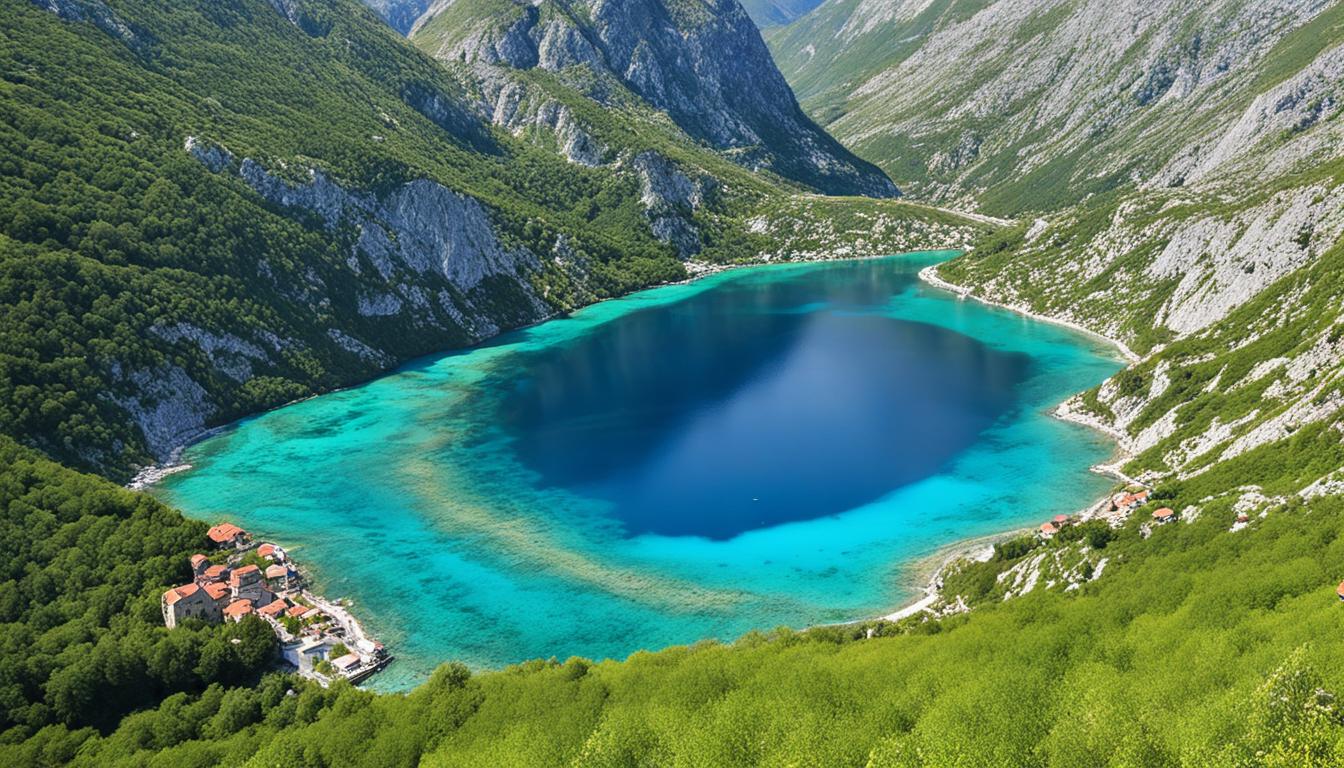
The Geography of Montenegro: Natural Regions

yanomami.net – Montenegro, a small country on the Balkan Peninsula, boasts a remarkably diverse range of natural landscapes. Its geography is characterized by a rich tapestry of coastal, karst, and mountainous regions, each with its unique features and ecosystems. This article delves into the natural regions of Montenegro, exploring their distinct characteristics and the ways in which they contribute to the country’s environmental diversity.

Coastal Region

The coastal region of Montenegro stretches along the Adriatic Sea, offering a picturesque blend of sandy beaches, crystal-clear waters, and lush Mediterranean vegetation. This narrow strip of land is home to the Bay of Kotor, a UNESCO World Heritage site, and the city of Budva, known for its vibrant nightlife and historic Old Town. The coastal climate is characterized by mild winters and hot summers, supporting a variety of flora and fauna typical of the Mediterranean.

Karst Region

The karst region of Montenegro is a testament to the country’s geological history, featuring extensive limestone formations that have been sculpted by water erosion over millennia. This region is known for its rugged terrain, deep canyons, and an extensive network of caves and underground rivers. The Durmitor National Park, with its towering peaks and glacial lakes, is a prime example of the karst landscape. The region is also rich in biodiversity, with numerous endemic species adapted to its unique ecological conditions.

Mountainous Region

Montenegro’s mountainous region is dominated by the Dinaric Alps, which run along the country’s eastern border. This area is characterized by high peaks, deep valleys, and a wealth of natural beauty. The Prokletije range, which straddles the border with Albania, is one of the most remote and pristine areas in Europe, offering a habitat for a variety of wildlife, including bears, wolves, and chamois. The mountainous region experiences a continental climate, with cold winters and warm summers, supporting a diverse range of flora, including coniferous and deciduous forests.

Conclusion

The geography of Montenegro is a fascinating study of natural diversity, with each region offering a unique set of environmental features. From the sun-kissed beaches of the coast to the rugged karst formations and the majestic mountain ranges, Montenegro’s landscapes are a testament to the country’s rich natural heritage. Understanding and preserving these diverse ecosystems is crucial for maintaining the ecological balance and supporting the biodiversity of this small but geologically rich nation.