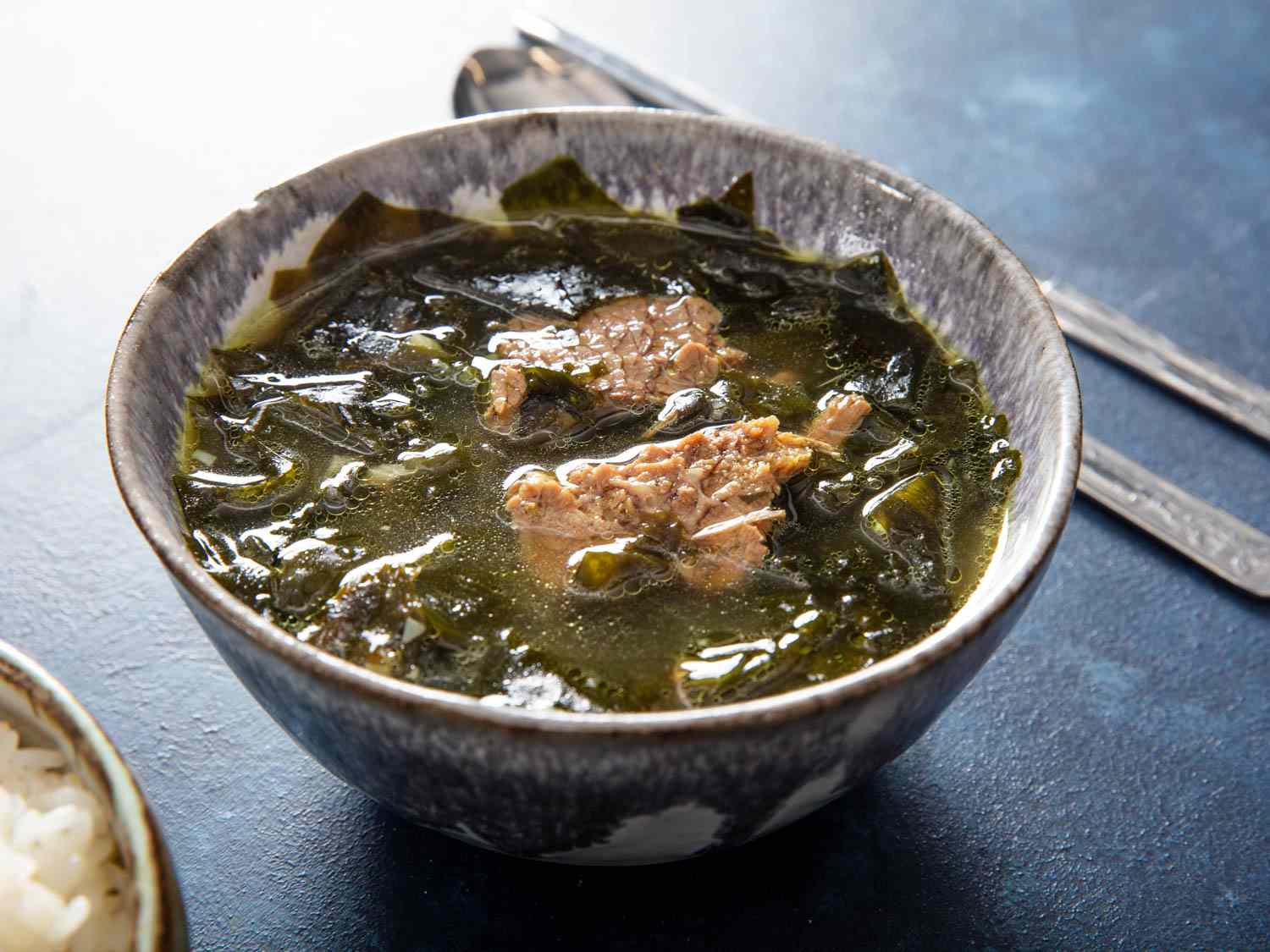
Miyeok Guk: The Nourishing Seaweed Soup of Korea

yanomami.net – Miyeok Guk, also known as Korean Seaweed Soup, is a beloved dish in Korean cuisine that is steeped in tradition and celebrated for its health benefits. It is a simple yet nourishing soup that features miyeok, a type of edible seaweed, as the star ingredient. This dish is not only valued for its nutritional qualities but also holds cultural significance in Korea, particularly as a birthday dish and a postpartum meal for new mothers.

The Origins and Cultural Significance

Miyeok Guk has been enjoyed in Korea for centuries, with its roots deeply embedded in Korean culture. Traditionally, this soup is consumed on birthdays as a way of honoring mothers for the effort and care they provided. This custom arises from the practice of serving Miyeok Guk to women after childbirth, as it is believed to help replenish nutrients and promote recovery. The soup is rich in iodine and calcium, which are beneficial for nursing mothers.

Beyond its role in family celebrations, Miyeok Guk is often consumed as a regular meal for its health benefits and comforting taste. It is a staple dish that can be found in many Korean households and is enjoyed throughout the year.

Ingredients and Preparation

The main ingredient in Miyeok Guk is dried miyeok (seaweed), which is rehydrated in water before cooking. The soup typically includes a base of broth made from beef, seafood, or simply water, depending on regional preferences and dietary restrictions. Common additional ingredients include garlic, soy sauce, and sesame oil, which enhance the flavor of the soup.

To prepare Miyeok Guk, the rehydrated seaweed is sautéed in sesame oil and garlic, then simmered in the chosen broth. The result is a light and savory soup that is both satisfying and nutritious. The simplicity of the ingredients allows the natural flavors of the seaweed to shine through, making it a comforting dish that is both delicious and wholesome.

Health Benefits

Miyeok Guk is renowned for its health benefits, primarily due to the nutritional profile of seaweed. Miyeok is rich in vitamins and minerals, including iodine, calcium, iron, and vitamins A and C. It is also a good source of dietary fiber and protein, making it an excellent addition to a balanced diet.

The high iodine content in seaweed is particularly beneficial for thyroid health, as iodine is a crucial component of thyroid hormones. Additionally, the soup’s low-calorie content and high nutrient density make it an ideal choice for those looking to maintain a healthy lifestyle.

Conclusion

Miyeok Guk, or Seaweed Soup, is more than just a dish in Korean cuisine; it is a symbol of care, nourishment, and cultural tradition. Whether served as a birthday meal, a postpartum recovery aid, or simply a nutritious everyday dish, Miyeok Guk continues to be cherished in Korea and beyond. Its simplicity, nutritional benefits, and cultural significance make it a timeless favorite that holds a special place in the hearts of many.
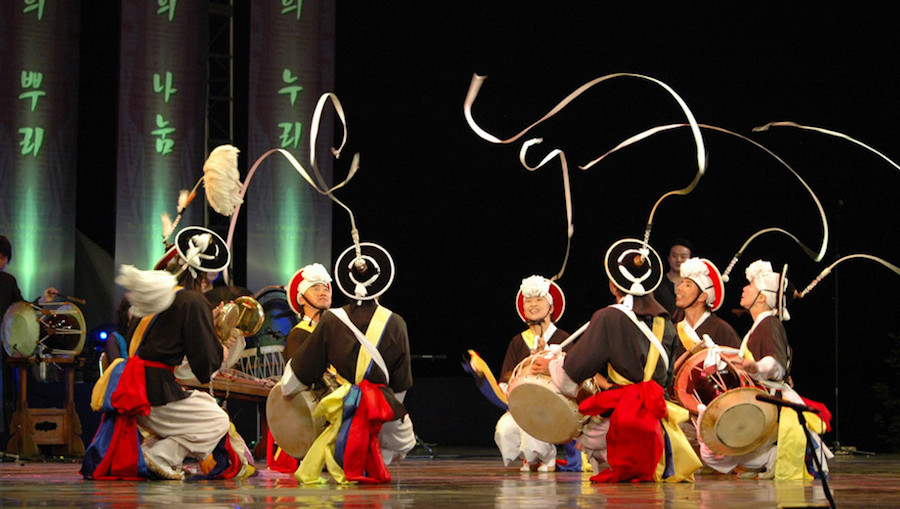
The Samulnori Drum Dance: The Rhythmic Heartbeat of Korea

yanomami.net – Samulnori, a mesmerizing traditional Korean drum dance, is a vibrant expression of the country’s cultural heritage. This dynamic performance art, which translates to “the playing of four things,” involves the rhythmic beating of four traditional Korean drums: the janggu (hourglass drum), buk (barrel drum), jing (gong), and kkwaenggwari (small gong). Originating from the agricultural regions of Korea, Samulnori has evolved from a folk music genre to a sophisticated art form, captivating audiences worldwide with its intricate rhythms and energetic movements.

The Origins of Samulnori

The roots of Samulnori can be traced back to the Silla Dynasty (57 BC – 935 AD), where it was performed during harvest festivals and other communal celebrations. It was a way for farmers to express their joy and gratitude for a bountiful harvest. Over the centuries, Samulnori became an integral part of Korean culture, reflecting the country’s agricultural traditions and communal spirit.

The Instruments of Samulnori

The heart of Samulnori lies in its four instruments, each playing a unique role in creating the dance’s complex rhythms.

  • Janggu (Hourglass Drum): The lead instrument, played with two sticks, sets the tempo and rhythm.
  • Buk (Barrel Drum): Provides a deep, resonant sound, adding depth to the performance.
  • Jing (Gong): Offers a sharp, clear tone that punctuates the rhythm.
  • Kkwaenggwari (Small Gong): Produces a bright, metallic sound, adding texture to the overall composition.

The Performance

A Samulnori performance is a captivating spectacle, blending music, dance, and storytelling. The performers, dressed in traditional Korean attire, move in harmony with the rhythm, their bodies swaying and twisting in a display of agility and grace. The dance is not only a visual feast but also a testament to the performers’ skill and precision.

Cultural Significance

Samulnori is more than just a performance; it is a reflection of Korea’s rich cultural history and communal spirit. It embodies the country’s agricultural roots, its resilience, and its capacity for joy and celebration. As such, Samulnori has been recognized as an Intangible Cultural Asset by the Korean government, highlighting its importance in preserving the nation’s cultural heritage.

Modern Evolution

While Samulnori has its roots in tradition, it has also embraced modernity. Contemporary performers have incorporated new rhythms, movements, and even electronic sounds into their performances, creating a fusion of old and new. This evolution has helped to keep Samulnori relevant and appealing to new generations, both in Korea and around the world.

Conclusion

The Samulnori drum dance is a testament to Korea’s vibrant cultural heritage and its people’s enduring spirit. Through its rhythmic beats and dynamic movements, Samulnori tells the story of Korea, connecting the past with the present. As this art form continues to evolve, it remains a powerful symbol of Korean identity and a source of national pride. Samulnori is not just a performance; it is the rhythmic heartbeat of Korea, pulsating with life, history, and the promise of a vibrant future.