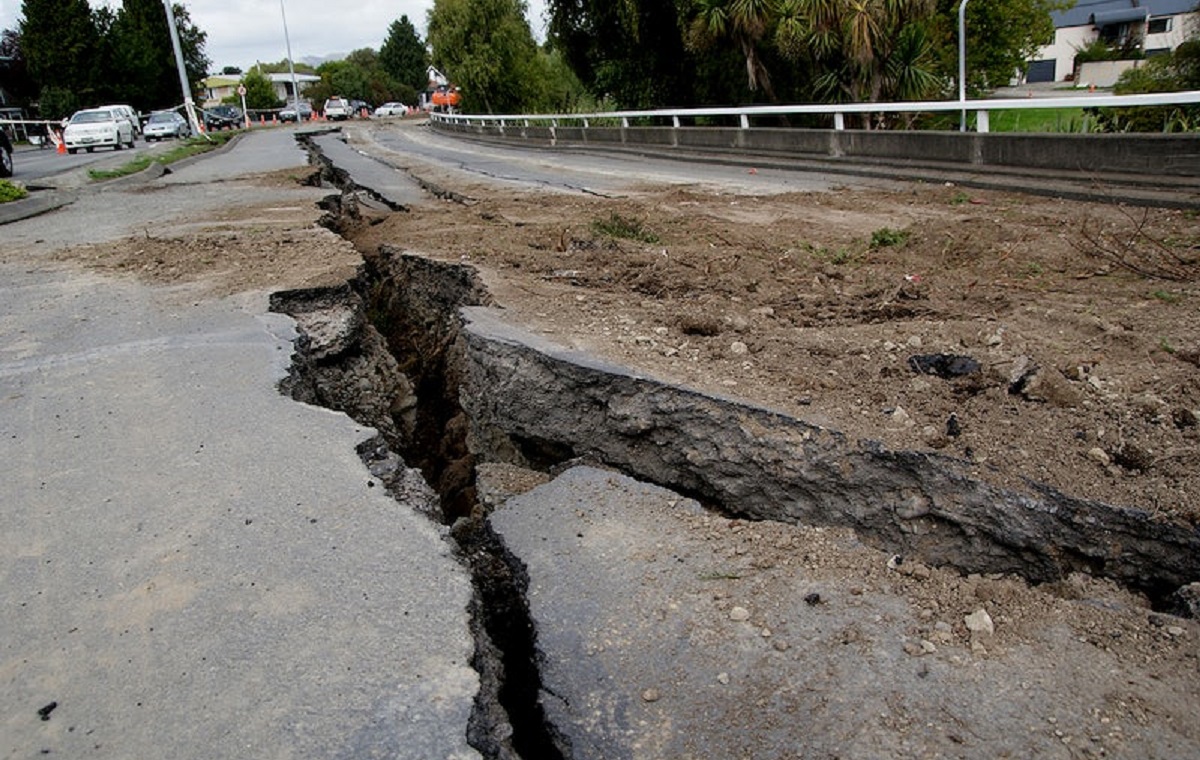
yanomami.net – Earthquakes are one of the most powerful natural phenomena on Earth. They have the ability to reshape landscapes, alter ecosystems, and impact human societies. Understanding earthquakes is crucial for mitigating their effects and enhancing our resilience to these natural events.
What Causes Earthquakes?
Earthquakes are caused by the sudden release of energy in the Earth’s crust, resulting in seismic waves that shake the ground. This energy release usually occurs along fault lines, where tectonic plates meet. The movement of these plates can be gradual, but sometimes they become locked due to friction. When the stress exceeds the friction, the plates slip, releasing energy in the form of an earthquake.
Types of Earthquakes
- Tectonic Earthquakes: These are the most common type and occur when tectonic plates collide, separate, or slide past each other.
- Volcanic Earthquakes: These occur in conjunction with volcanic activity. The movement of magma can cause the surrounding rocks to crack, leading to an earthquake.
- Collapse Earthquakes: These are smaller quakes that occur due to the collapse of caves or underground mines.
- Induced Earthquakes: Human activities, such as reservoir-induced seismicity or hydraulic fracturing (fracking), can also cause earthquakes.
Measuring Earthquakes
Earthquakes are measured using seismographs, which record the intensity and duration of the seismic waves. The most common scale used to measure earthquakes is the Richter scale, which quantifies the amount of energy released. The Moment Magnitude Scale (Mw) is more commonly used today as it provides a more accurate measure of an earthquake’s size.
Effects of Earthquakes
The effects of earthquakes can be devastating. They can cause buildings to collapse, trigger landslides, and generate tsunamis. The severity of these effects depends on several factors, including the earthquake’s magnitude, the depth of the focus, and the distance from populated areas.
Mitigation and Preparedness
To reduce the impact of earthquakes, it is essential to invest in earthquake-resistant infrastructure and develop early warning systems. Urban planning should consider fault lines and areas prone to seismic activity. Educating communities about earthquake preparedness, such as having emergency kits and evacuation plans, can also save lives.
Conclusion
Earthquakes are a reminder of the immense power of nature. While we cannot prevent them, understanding their causes and effects enables us to better prepare and mitigate their impact. Through scientific research and proactive measures, we can enhance our resilience and ensure a safer future for human societies.