The Digital Natives: Understanding Generation Z

yanomami.net – Generation Z, often referred to as Gen Z, is the cohort born between the mid-to-late 1990s and the early 2010s. This generation has grown up in an era of rapid technological advancements and is the first to be considered true digital natives. Understanding Gen Z is crucial for businesses, educators, and policymakers as this group begins to exert significant influence on society and the economy.

The Digital Upbringing

Gen Z was born into a world where the internet, smartphones, and social media are not novelties but necessities. This generation has never known a time without instant access to information, which has shaped their learning habits, communication styles, and worldviews. Unlike previous generations, Gen Z’s interaction with technology has been seamless and intuitive, making them highly adaptable to new digital tools and platforms.

Characteristics of Generation Z

Tech-Savvy and Connected

Gen Z is adept at navigating digital landscapes, often using multiple devices simultaneously. They are highly connected, with social media playing a vital role in their daily lives. Platforms like TikTok, Instagram, and Snapchat are popular among Gen Z, offering them spaces to express themselves, connect with peers, and influence trends.

Value-Driven Consumers

This generation is known for being conscientious consumers. They prioritize brands that align with their values, such as sustainability, diversity, and social responsibility. Gen Z is more likely to support companies that take a stand on social issues, making it important for businesses to engage authentically with them.

Educational Preferences

Gen Z prefers interactive and personalized learning experiences. They thrive in environments where they can leverage technology to explore and create. Online courses, video tutorials, and educational apps are popular tools that cater to their learning style. Traditional educational institutions are increasingly incorporating digital tools to meet Gen Z’s expectations.

Challenges Faced by Generation Z

Mental Health Concerns

While being constantly connected has its benefits, it also presents challenges, particularly concerning mental health. The pressure to maintain a perfect online persona, cyberbullying, and the fear of missing out (FOMO) are significant stressors for Gen Z. It is essential to address these issues by promoting digital well-being and providing mental health resources.

Economic Uncertainty

Gen Z is entering the workforce in a time of economic uncertainty. The COVID-19 pandemic has disrupted job markets, and automation continues to change the nature of work. To succeed, Gen Z needs to develop skills that are resilient to these changes, such as critical thinking, creativity, and emotional intelligence.

Conclusion

Generation Z is a unique and influential cohort that is reshaping the world through their digital proficiency and social consciousness. As they continue to grow and make their mark, it is essential to understand their perspectives, values, and challenges. By doing so, we can foster a more inclusive and innovative society that benefits all generations.

The Power of Nature: Understanding Earthquakes

yanomami.net – Earthquakes are one of the most powerful natural phenomena on Earth. They have the ability to reshape landscapes, alter ecosystems, and impact human societies. Understanding earthquakes is crucial for mitigating their effects and enhancing our resilience to these natural events.

What Causes Earthquakes?

Earthquakes are caused by the sudden release of energy in the Earth’s crust, resulting in seismic waves that shake the ground. This energy release usually occurs along fault lines, where tectonic plates meet. The movement of these plates can be gradual, but sometimes they become locked due to friction. When the stress exceeds the friction, the plates slip, releasing energy in the form of an earthquake.

Types of Earthquakes

  1. Tectonic Earthquakes: These are the most common type and occur when tectonic plates collide, separate, or slide past each other.
  2. Volcanic Earthquakes: These occur in conjunction with volcanic activity. The movement of magma can cause the surrounding rocks to crack, leading to an earthquake.
  3. Collapse Earthquakes: These are smaller quakes that occur due to the collapse of caves or underground mines.
  4. Induced Earthquakes: Human activities, such as reservoir-induced seismicity or hydraulic fracturing (fracking), can also cause earthquakes.

Measuring Earthquakes

Earthquakes are measured using seismographs, which record the intensity and duration of the seismic waves. The most common scale used to measure earthquakes is the Richter scale, which quantifies the amount of energy released. The Moment Magnitude Scale (Mw) is more commonly used today as it provides a more accurate measure of an earthquake’s size.

Effects of Earthquakes

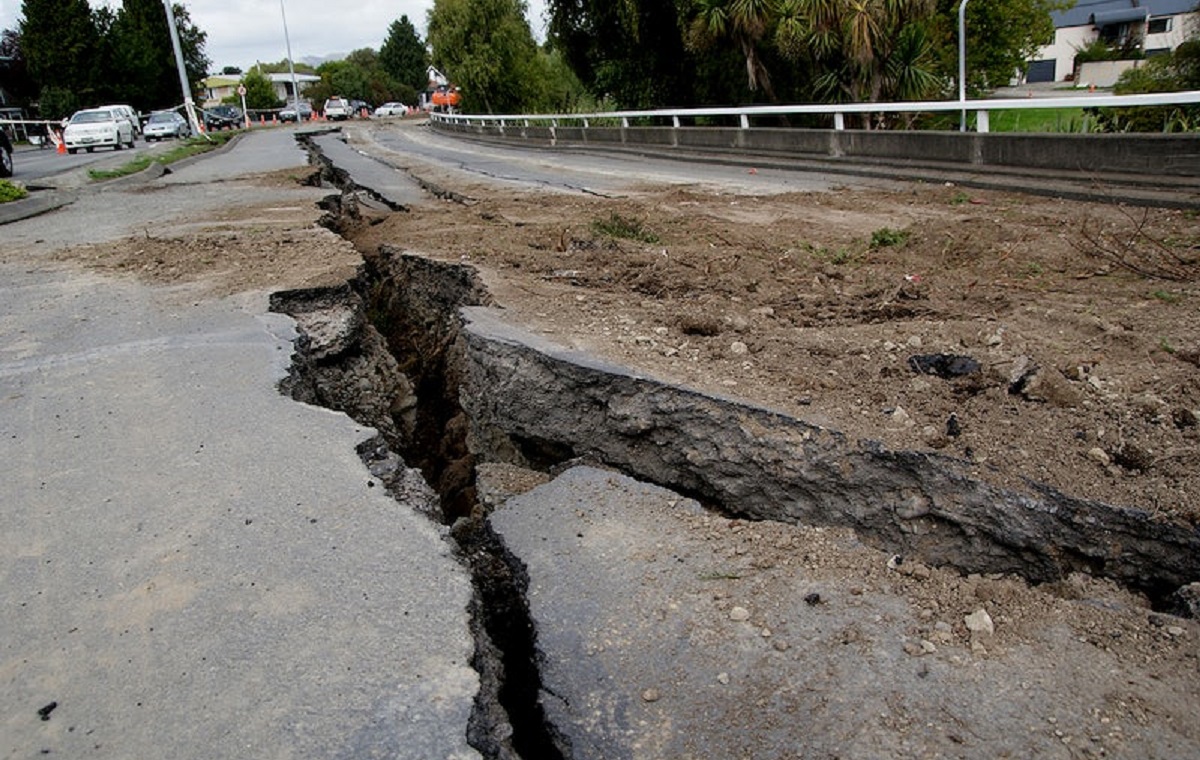
The effects of earthquakes can be devastating. They can cause buildings to collapse, trigger landslides, and generate tsunamis. The severity of these effects depends on several factors, including the earthquake’s magnitude, the depth of the focus, and the distance from populated areas.

Mitigation and Preparedness

To reduce the impact of earthquakes, it is essential to invest in earthquake-resistant infrastructure and develop early warning systems. Urban planning should consider fault lines and areas prone to seismic activity. Educating communities about earthquake preparedness, such as having emergency kits and evacuation plans, can also save lives.

Conclusion

Earthquakes are a reminder of the immense power of nature. While we cannot prevent them, understanding their causes and effects enables us to better prepare and mitigate their impact. Through scientific research and proactive measures, we can enhance our resilience and ensure a safer future for human societies.

Understanding the 9/11 Commission Report

yanomami.net – The 9/11 Commission Report, officially known as the “Final Report of the National Commission on Terrorist Attacks Upon the United States,” is a pivotal document that delves into the events leading up to the September 11, 2001, terrorist attacks on the United States. Issued in 2004, the report was the result of an extensive investigation by the National Commission on Terrorist Attacks Upon the United States, commonly referred to as the 9/11 Commission.

Background of the 9/11 Commission

The 9/11 Commission was established by congressional legislation and the signature of President George W. Bush in late 2002. Its primary objective was to prepare a full and complete account of the circumstances surrounding the September 11 attacks, including preparedness for and the immediate response to the attacks. The commission was composed of ten members, including five Republicans and five Democrats, who were tasked with conducting an independent, non-partisan inquiry.

Findings of the Report

The 9/11 Commission Report, released on July 22, 2004, is a comprehensive account that spans over 500 pages. It details the history of Al-Qaeda, the background of the 19 hijackers, the failures of U.S. intelligence and security agencies, and the missed opportunities to prevent the attacks. The report also examines the morning of September 11, 2001, the response of the U.S. government and the aviation industry, and the immediate aftermath of the attacks.

Key Recommendations

One of the most significant contributions of the 9/11 Commission Report was its set of recommendations aimed at preventing future terrorist attacks. These included the creation of a Department of Homeland Security, the establishment of a National Counterterrorism Center, and improvements in intelligence sharing among government agencies.

Impact and Legacy

The 9/11 Commission Report has had a lasting impact on U.S. national security policy and the global war on terror. It led to significant changes in domestic and international security measures, including the overhaul of the U.S. intelligence community. The report also raised public awareness about the challenges of counterterrorism and the importance of preparedness.

Conclusion

The 9/11 Commission Report remains a critical resource for understanding the events of September 11, 2001, and the broader context of the war on terror. Its findings and recommendations have shaped the national security landscape, influencing policies and practices that continue to evolve in response to the ever-changing threat of terrorism. As the nation reflects on the anniversary of the attacks, the report serves as a reminder of the importance of vigilance, cooperation, and resilience in the face of adversity.

Understanding the Threat: Climate Change

yanomami.net – Climate change is one of the most pressing issues of our time, affecting every aspect of life on Earth. It is a complex phenomenon that involves the long-term shift in temperature and weather patterns across the globe. This article aims to provide a comprehensive understanding of the threat posed by climate change, its causes, impacts, and what can be done to mitigate its effects.

The Science of Climate Change

At its core, climate change is driven by the increase in greenhouse gases (GHGs) in the Earth’s atmosphere. These gases, which include carbon dioxide (CO2), methane (CH4), and nitrous oxide (N2O), trap heat from the sun, leading to a rise in global temperatures. This phenomenon is often referred to as the greenhouse effect.

Human activities, such as the burning of fossil fuels, deforestation, and industrial processes, have significantly increased the concentration of GHGs in the atmosphere. The Intergovernmental Panel on Climate Change (IPCC) has concluded that it is extremely likely that human influence has been the dominant cause of observed warming since the mid-20th century.

Impacts of Climate Change

The effects of climate change are far-reaching and affect various aspects of the environment and human society. Some of the key impacts include:

Extreme Weather Events

Climate change is linked to an increase in the frequency and intensity of extreme weather events, such as hurricanes, droughts, heatwaves, and heavy rainfall. These events can lead to loss of life, damage to infrastructure, and economic hardship.

Rising Sea Levels

As global temperatures rise, polar ice caps and glaciers melt, contributing to rising sea levels. This poses a significant threat to coastal communities, leading to displacement of populations and loss of habitat for marine life.

Ecosystem Disruption

Climate change disrupts ecosystems by altering habitats and changing the timing of natural events, such as migration and breeding. This can lead to species extinction and a loss of biodiversity.

Food Security

Changes in temperature and precipitation patterns can affect agricultural productivity, leading to food shortages and increased food prices. This threatens food security, particularly in regions that are already vulnerable.

Mitigating Climate Change

Addressing climate change requires a concerted effort from governments, businesses, and individuals. Some of the key strategies include:

Reducing Greenhouse Gas Emissions

Transitioning to renewable energy sources, improving energy efficiency, and reducing deforestation are critical steps in cutting GHG emissions.

Adapting to Climate Change

Communities and infrastructure need to be made more resilient to the impacts of climate change. This includes building sea walls to protect against rising sea levels and developing drought-resistant crops.

International Cooperation

Global cooperation is essential to tackle climate change. Agreements like the Paris Agreement aim to bring countries together to commit to reducing emissions and supporting each other in adaptation efforts.

Conclusion

Climate change is a complex and urgent issue that requires immediate and sustained action. Understanding the threat it poses is the first step in addressing it. By working together, we can mitigate the impacts of climate change and create a more sustainable future for generations to come. It is not just about saving the planet; it is about ensuring the well-being of all its inhabitants.

The Heart of Friendship: Understanding and Acceptance

In the tapestry of human relationships, friendship stands out as a vibrant and enduring thread, weaving together the fabric of our lives with colors of joy, support, and companionship. At the core of every meaningful friendship lies the bedrock of understanding and acceptance, two essential elements that not only sustain the bond but also allow it to flourish and deepen over time.

Understanding, the first pillar, is about more than just knowing the facts about a person; it’s about grasping their feelings, thoughts, and experiences from their perspective. It’s the ability to empathize, to put oneself in another’s shoes, and to see the world through their eyes. This level of comprehension fosters a sense of connection and intimacy, as it allows friends to navigate the complexities of each other’s lives with sensitivity and care.

Acceptance, the second pillar, is the unconditional recognition and appreciation of a person for who they are, regardless of their flaws, mistakes, or differences. It’s the acknowledgment that no one is perfect and that it’s precisely these imperfections that make each individual unique and lovable. Acceptance in friendship means embracing the whole person, celebrating their strengths, and supporting them through their weaknesses.

The synergy between understanding and acceptance creates a safe and nurturing environment where friends can be their authentic selves without fear of judgment or rejection. This sense of security is crucial for personal growth, as it encourages individuals to explore new facets of their identity, share their vulnerabilities, and seek advice and support when needed.

Moreover, understanding and acceptance are not static; they are dynamic processes that require effort and commitment from both parties. As people grow and change, so do their needs and perspectives. Maintaining a strong friendship means continually working to understand and accept these changes, adapting to new circumstances, and evolving together.

In a world that often emphasizes competition and comparison, the power of understanding and acceptance in friendship stands as a beacon of hope and unity. It reminds us that our differences are not barriers but bridges to deeper connections. It teaches us the value of patience, compassion, and empathy, not just in our friendships but in all our interactions.

However, it’s important to recognize that understanding and acceptance are not always easy. They can be challenged by miscommunication, misunderstandings, or differing values and beliefs. It’s in these moments that the true strength of a friendship is tested. The willingness to engage in open and honest dialogue, to listen with an open heart, and to seek common ground is what allows friends to overcome these challenges and emerge with a stronger bond.

In conclusion, understanding and acceptance are the heart of friendship. They are the foundation upon which meaningful connections are built and sustained. By embracing these principles, we not only enrich our own lives but also contribute to a more compassionate and connected world. Let us cherish and cultivate these qualities in our friendships, for they are the keys to unlocking the full potential of human relationships.