
From Traditional to Modern Society: Saudi Arabia’s Social Reforms

yanomami.net – Saudi Arabia’s social reforms are part of a broader transformation aimed at modernizing the kingdom and diversifying its economy beyond oil. These reforms, initiated under the Vision 2030 plan, are reshaping the social fabric of Saudi society, moving it from a traditional to a more modern and inclusive way of life.

Women’s Rights and Empowerment

One of the most significant areas of social reform has been the enhancement of women’s rights and empowerment. In 2018, Saudi Arabia lifted the decades-long ban on women driving, marking a major milestone in gender equality. Additionally, women no longer require male guardians’ permission for various activities, such as traveling abroad, obtaining a passport, or accessing healthcare services. These changes have significantly increased women’s participation in the workforce and public life.

Entertainment and Cultural Activities

The kingdom has also witnessed a dramatic increase in entertainment and cultural activities. Previously, strict social norms limited public entertainment options. However, with the establishment of the Saudi Entertainment Authority, there has been a surge in concerts, cinemas, sports events, and festivals. For example, the Riyadh Season festival attracts international artists and performers, showcasing the kingdom’s newfound openness to global cultural influences.

Social Norms and Public Behavior

Social norms and public behavior have also evolved. The government has relaxed restrictions on mixed-gender gatherings in public spaces, such as restaurants and cafes. This has led to a more inclusive social environment, where both men and women can interact freely. Additionally, there has been a shift in dress codes, with many Saudis adopting more diverse and less restrictive clothing styles.

Education and Workforce Diversification

Education has been a focal point of social reform, with a push towards quality education and vocational training. The government aims to equip the workforce with the skills needed for the modern economy, focusing on technology, healthcare, and other growing sectors. This includes encouraging both men and women to pursue higher education and professional development.

Challenges and Resistance

Despite these reforms, there are challenges and pockets of resistance. Some conservative segments of society view these changes as too rapid and potentially disruptive to traditional values. The government must navigate these tensions while continuing to push for modernization.

Conclusion

Saudi Arabia’s social reforms are part of a comprehensive effort to modernize the kingdom and improve the quality of life for its citizens. By enhancing women’s rights, expanding entertainment and cultural activities, and promoting education and workforce diversification, Saudi Arabia is moving towards a more inclusive and progressive society. These changes are essential for achieving the goals of Vision 2030 and ensuring the kingdom’s long-term prosperity and stability.
The Social Conscience of Design: Designing for Impact

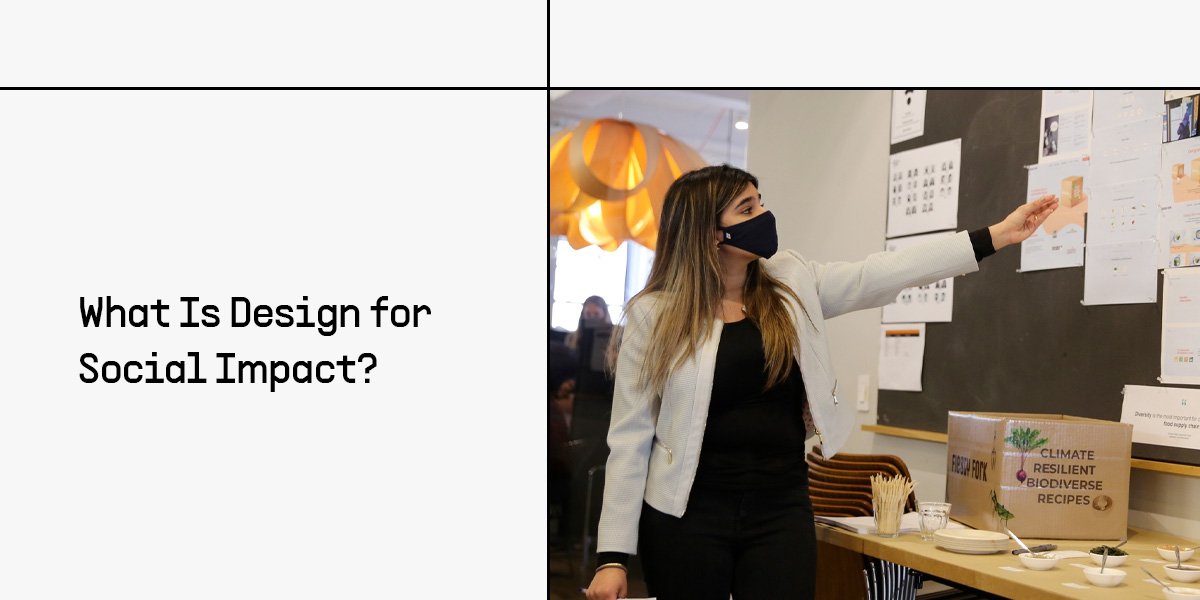
yanomami.net – Designing for impact with a social conscience involves creating products, services, and systems that not only meet the needs of users but also address broader societal issues, promote sustainability, and contribute to the well-being of communities. This approach to design is rooted in the understanding that design is a powerful tool for change and that designers have a responsibility to use their skills to create a more equitable, just, and sustainable world. Here are some key principles and strategies for designing with a social conscience:

  1. Understand the Context: Before starting any design project, it’s crucial to deeply understand the social, cultural, economic, and environmental context in which the design will be implemented. This includes engaging with the community and stakeholders to identify their needs, challenges, and aspirations.
  2. Design for Inclusivity: Ensure that the design is accessible and usable by as many people as possible, regardless of their abilities, age, gender, or socio-economic status. This involves considering diverse user experiences and employing inclusive design practices.
  3. Promote Sustainability: Design products and services that minimize environmental impact, conserve resources, and encourage sustainable behaviors. This can involve using sustainable materials, designing for longevity and repairability, and considering the entire lifecycle of the product.
  4. Empower Communities: Design with, rather than for, communities. This participatory approach ensures that the solutions are relevant, effective, and owned by the community. It also helps build local capacity and resilience.
  5. Address Social Issues: Use design to tackle social issues such as poverty, inequality, and injustice. This could involve creating products that improve access to education, healthcare, or clean water, or designing services that support social inclusion and economic empowerment.
  6. Educate and Advocate: Designers can use their platform to educate the public and advocate for social and environmental causes. This can involve creating awareness campaigns, participating in public discourse, and collaborating with organizations that share similar goals.
  7. Measure Impact: Develop metrics to evaluate the social and environmental impact of the design. This helps in understanding what works, what doesn’t, and how to improve future designs.
  8. Collaborate: Work with other designers, experts, and organizations to leverage diverse perspectives and skills. Collaboration can lead to more innovative and effective solutions.
  9. Be Ethical: Always consider the ethical implications of your designs. This includes ensuring privacy, security, and consent, and avoiding designs that could perpetuate harm or inequality.
  10. Continuous Learning: Stay informed about global challenges, emerging technologies, and best practices in socially conscious design. This ongoing education will help you create more impactful designs.

Designing with a social conscience is not just about creating products or services; it’s about creating change. It requires a holistic approach that considers the broader implications of design decisions and seeks to create a positive impact on society and the environment. By embracing this approach, designers can play a pivotal role in shaping a better future for all.