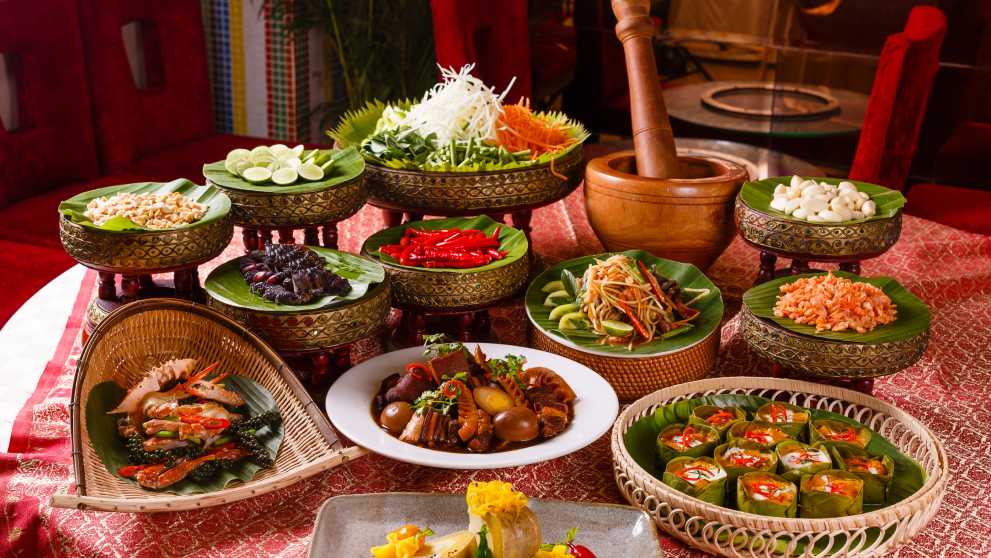
yanomami.net – The streets of Asia are a culinary paradise, offering a tantalizing array of flavors, textures, and aromas that reflect the continent’s rich cultural diversity. From the bustling markets of Thailand to the narrow alleys of Japan, Asian street food is a testament to the creativity and tradition of Eastern cuisine. This article takes you on a journey through the vibrant world of Asian street food, exploring the unique dishes that have captured the hearts and palates of locals and travelers alike.
The Aromatic Delights of Thailand
Thailand’s street food scene is a feast for the senses, with vendors selling an array of dishes that are both visually stunning and delicious. Pad Thai, the country’s signature stir-fried noodle dish, is a must-try, with its perfect balance of sweet, sour, and spicy flavors. Mango Sticky Rice, a simple yet heavenly dessert, showcases the natural sweetness of mango paired with the creamy texture of coconut milk and sticky rice.
Japan’s Culinary Artistry
Japanese street food is a blend of tradition and innovation, with dishes that are as beautiful as they are tasty. Takoyaki, originating from Osaka, are bite-sized balls of dough filled with octopus and topped with a savory sauce and mayonnaise. Yakitori, skewered and grilled chicken, is a popular snack that highlights the simplicity and quality of Japanese ingredients. Okonomiyaki, a savory pancake filled with a variety of toppings, is a versatile dish that reflects the regional preferences of its consumers.
The Spicy Streets of India
India’s street food is a kaleidoscope of flavors, with each region offering its own unique take on chaat, a term that encompasses a variety of savory snacks. Pani Puri, a hollow puri filled with spiced water and a mixture of tamarind, mint, and vegetables, is a burst of flavor with every bite. Samosas, triangular pastries filled with spiced potatoes and peas, are a crunchy delight that pairs well with chutneys. Bhel Puri, a mixture of puffed rice, chopped onions, tomatoes, and chutneys, is a refreshing snack that showcases the tangy and spicy flavors of Indian cuisine.
The Hearty Bites of China
Chinese street food is as diverse as the country itself, with dishes that range from the comforting to the adventurous. Jianbing, a savory crepe filled with egg, scallions, and a crispy fried cracker, is a popular breakfast item that offers a satisfying start to the day. Baozi, steamed buns filled with meat or vegetables, are a soft and flavorful snack that can be found on almost every street corner. Stinky Tofu, known for its pungent aroma, is a daring dish that rewards the brave with a unique and delicious taste.
The Exotic Flavors of Vietnam
Vietnamese street food is a harmonious blend of fresh ingredients and bold flavors. Banh Mi, a baguette sandwich filled with a variety of meats, vegetables, and sauces, is a testament to the country’s French colonial influence. Pho, a beef or chicken noodle soup, is a comforting dish that warms the soul with its rich broth and tender meat. Spring Rolls, both fresh and fried, offer a crunchy or soft texture paired with the freshness of herbs and vegetables.
Conclusion
Asian street food is a journey through the heart and soul of the East, with each dish telling a story of tradition, innovation, and cultural exchange. From the aromatic delights of Thailand to the culinary artistry of Japan, and from the spicy streets of India to the hearty bites of China and the exotic flavors of Vietnam, the continent’s street food scene is a treasure trove of gastronomic experiences. Whether you’re exploring the markets of Bangkok or the alleys of Tokyo, the streets of Asia offer a taste of the East that is both authentic and unforgettable.