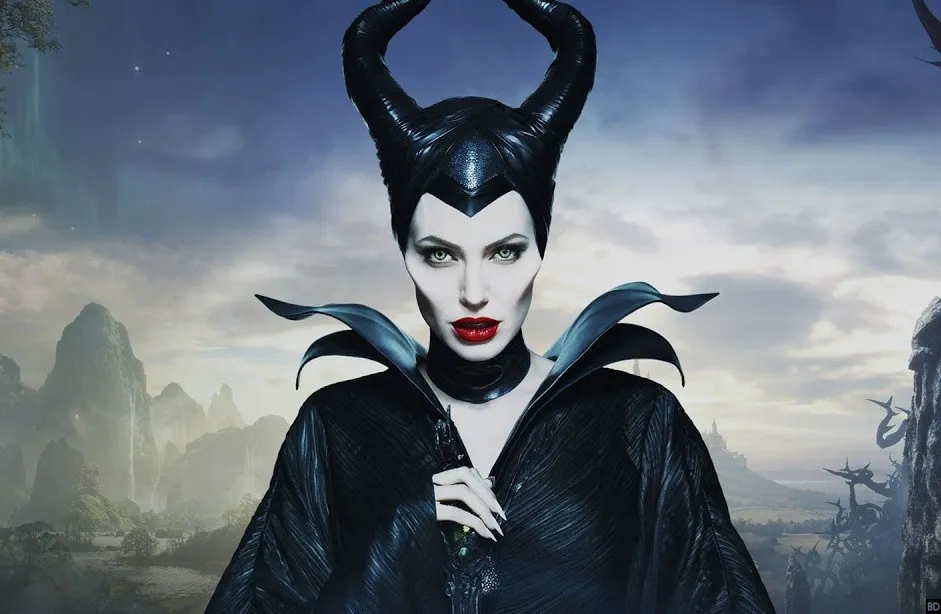
Maleficent: The Iconic Villain Reimagined

yanomami.net – Maleficent, originally introduced as the primary antagonist in Disney’s 1959 animated film “Sleeping Beauty,” has become one of the most iconic villains in popular culture. Known for her dark, elegant appearance and her infamous curse on Princess Aurora, Maleficent’s character has been explored and reinvented, most notably in Disney’s live-action films starring Angelina Jolie. This article delves into the various facets of Maleficent’s character, from her origins in folklore to her transformation into a complex, multi-dimensional figure in modern cinema.

Origins and Characteristics

Maleficent’s origins can be traced back to the fairy tale “Sleeping Beauty,” which has various versions across different cultures. In Disney’s animated classic, she is depicted as a powerful fairy with the ability to transform into a dragon. Her defining moment is cursing the infant Princess Aurora to die on her sixteenth birthday after pricking her finger on a spinning wheel. Maleficent’s character is characterized by her elegance, sharp wit, and sinister intentions, making her one of Disney’s most memorable villains.

Reimagining Maleficent in Live-Action

In the 2014 live-action film “Maleficent,” Disney reimagined the character by exploring her backstory and motivations. Portrayed by Angelina Jolie, Maleficent is given depth and a sympathetic narrative. The film presents her as a fairy who becomes embittered and vengeful after experiencing betrayal and loss. This version of Maleficent blurs the lines between good and evil, highlighting themes of redemption and love, particularly her maternal bond with Aurora.

Themes and Symbolism

Maleficent’s character embodies various themes and symbolism. Her transformation from a vengeful fairy to a protective figure challenges traditional notions of villainy. The films explore themes of betrayal, revenge, and forgiveness, while also addressing the complexities of human (and fairy) nature. Maleficent’s horns and dark attire symbolize her power and independence, while her eventual redemption underscores the possibility of change and growth.

Cultural Impact and Legacy

Maleficent’s character has left a significant impact on popular culture. Her distinctive look has inspired countless costumes and merchandise, while her story has been analyzed for its deeper meanings. The live-action films have contributed to a growing trend of reimagining classic villains, offering audiences nuanced portrayals that go beyond simple good-versus-evil narratives.

Conclusion

Maleficent’s journey from a classic fairy tale villain to a multi-layered character in modern cinema reflects a broader trend of revisiting and reinterpreting traditional stories. By exploring her motivations and complexities, the character of Maleficent challenges audiences to consider the shades of gray in the concepts of heroism and villainy. As a result, Maleficent remains an enduring and fascinating figure in both literature and film.
The Complex Allure of Villains in Storytelling

yanomami.net – In the realm of storytelling, villains are pivotal characters who drive the narrative forward through their antagonistic actions. They are the foils to the protagonists, embodying the conflict that propels the plot. Villains come in various forms, from the overtly malevolent to the subtly manipulative, each serving a unique role in the tapestry of the story.

The Evolution of Villains

The portrayal of villains has evolved over time, reflecting societal changes and moral complexities. Early narratives often featured one-dimensional antagonists whose sole purpose was to be vanquished by the hero. However, as storytelling has matured, so too have villains. They are now crafted with depth and backstories that explain, if not justify, their actions. This evolution has made villains more relatable and has blurred the lines between good and evil, adding layers to the narrative.

The Appeal of Villains

Villains hold a peculiar fascination for audiences. Their charisma, power, and often tragic backstories can make them as compelling, if not more so, than the heroes. Characters like Darth Vader, Hannibal Lecter, and the Joker have become cultural icons, celebrated for their complexity and the moral quandaries they present. This appeal lies in the human capacity for empathy and the understanding that within each of us lies the potential for both good and evil.

The Role of Villains in Character Development

Villains are instrumental in the development of protagonists. They challenge the heroes, forcing them to confront their weaknesses and grow. This dynamic is essential for character arcs, as it is through adversity that characters find strength and purpose. Villains, therefore, are not just antagonists; they are catalysts for change and growth within the narrative.

Crafting a Compelling Villain

Creating a memorable villain requires a delicate balance. They must be formidable enough to pose a genuine threat but also have vulnerabilities that make them believable. A compelling backstory can add depth, while clear motivations ensure their actions are coherent within the narrative. The best villains are those who, while undeniably antagonistic, evoke a mix of fear, admiration, and even sympathy from the audience.

The Impact of Villains on Society

Villains in storytelling also reflect societal fears and moral debates. They often embody the ‘other,’ representing the aspects of society that are feared or misunderstood. By externalizing these fears through villainous characters, stories provide a safe space to explore and confront them. This reflection of societal issues makes villains not just entertaining antagonists but also vehicles for social commentary.

Conclusion

Villains are more than just adversaries; they are integral to the fabric of storytelling. They challenge heroes, captivate audiences, and reflect the complexities of the human condition. Whether they are the embodiment of pure evil or the tragic product of circumstance, villains enrich narratives and remind us of the thin line between heroism and villainy.