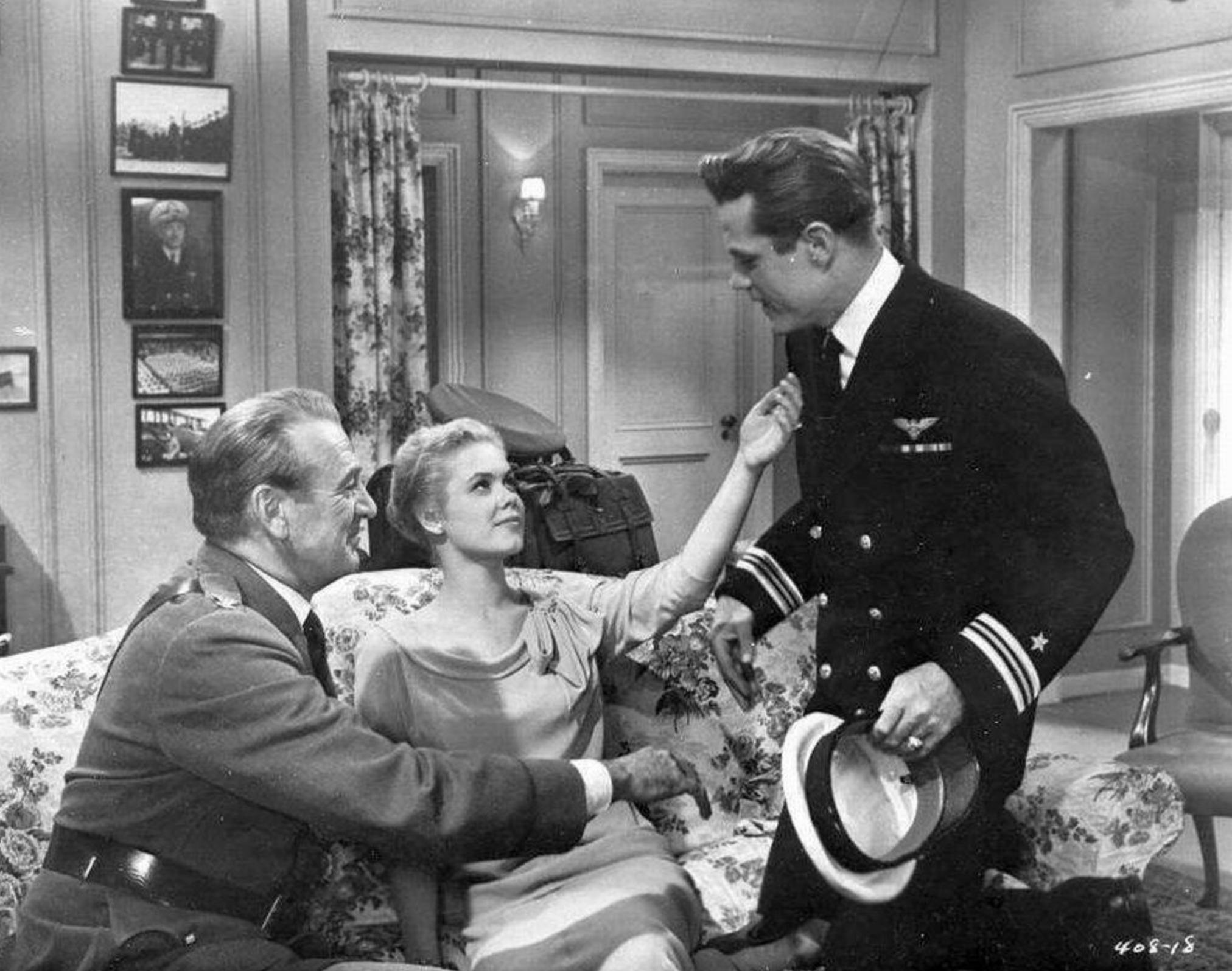
The Court-Martial of Billy Mitchell (1955) – Drama That Soared Above Its Time

yanomami.net – “The Court-Martial of Billy Mitchell,” directed by Otto Preminger and released in 1955, is a powerful military drama film that explores the real-life story of General Billy Mitchell, a pioneering figure in American aviation history. The film delves into themes of courage, conviction, and the often-contentious relationship between innovation and military tradition.

Plot Overview

Set in the 1920s, the film chronicles the true story of Brigadier General Billy Mitchell (played by Gary Cooper), a World War I hero and a fervent advocate for air power. Mitchell becomes disillusioned with the U.S. military’s neglect of aviation, believing that air superiority is crucial for national defense. His outspoken criticism of the military’s leadership, particularly following a series of preventable air disasters, leads to his court-martial for insubordination.

Themes and Significance

The film is notable for its exploration of themes such as military bureaucracy, the resistance to change, and the personal sacrifices made in pursuit of progress. Billy Mitchell’s story is one of integrity and foresight, as he stands firm in his beliefs despite facing severe professional and personal consequences. His trial becomes a platform for debating the future of military aviation, highlighting the clash between traditionalists and visionaries.

Performance and Direction

Gary Cooper delivers a compelling performance as Billy Mitchell, embodying the character’s steadfast determination and moral courage. The supporting cast, including Charles Bickford, Ralph Bellamy, and Rod Steiger, adds depth to the courtroom drama. Otto Preminger’s direction ensures that the film maintains a tense and engaging narrative, effectively capturing the emotional and ideological stakes of the trial.

Historical Context

“The Court-Martial of Billy Mitchell” not only dramatizes an important chapter in military history but also mirrors the broader cultural changes of the 1950s. During this period, America was grappling with the implications of technological advancements and the Cold War. The film’s depiction of Mitchell’s fight for innovation resonates with audiences who were witnessing rapid developments in science and technology.

Legacy

While the film was met with mixed reviews upon its release, it has since gained recognition for its historical significance and for shedding light on the contributions of Billy Mitchell to modern military strategy. His advocacy for air power laid the groundwork for future developments in aviation and military tactics, making him a prescient figure in American military history.

Conclusion

“The Court-Martial of Billy Mitchell” remains a poignant and thought-provoking film that underscores the importance of visionary thinking and the courage to challenge the status quo. It serves as a reminder of the sacrifices made by individuals who dare to defy convention in pursuit of progress, and it continues to inspire debates about the role of innovation in shaping the future.
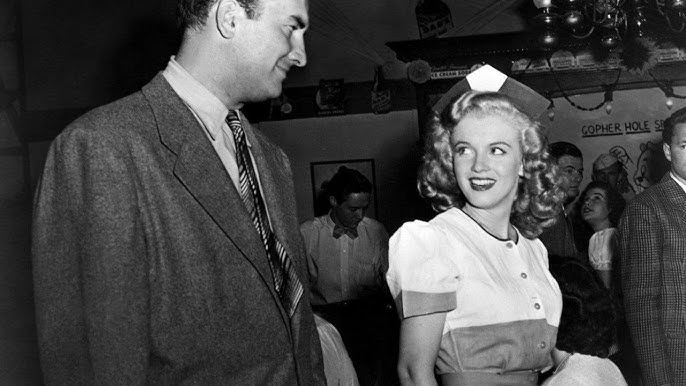
Dangerous Years (1947): An American Drama Film

yanomami.net – “Dangerous Years” is a 1947 American drama film that delves into the themes of youth delinquency and the struggles of adolescence. Directed by Arthur Pierson and produced by Sol M. Wurtzel, the film features a cast that includes Billy Halop, Scotty Beckett, and Ann E. Todd.

Plot Summary

The film tells the story of a group of teenagers who become entangled in a series of criminal activities. The narrative centers around a youth counselor who is tragically killed during a warehouse robbery orchestrated by the leader of the teen gang. The incident sets the stage for a courtroom drama, where the district attorney seeks justice for the crime.

Themes and Impact

“Dangerous Years” addresses the societal challenges of the post-war period, particularly focusing on the rebellious nature and misunderstood lives of teenagers. The film portrays the “dangerous years” of adolescence as a time fraught with potential for both growth and turmoil.

Production and Reception

Produced by Sol M. Wurtzel and directed by Arthur Pierson, the film runs for just over an hour. It is recognized for its heavy-handed approach to storytelling, attempting to shed light on the issues faced by young people during the era.

Legacy

Although not a major box office success, “Dangerous Years” remains a piece of cinematic history that reflects the cultural and social anxieties of the late 1940s. It is also notable for featuring a young Marilyn Monroe in a minor role, adding to its historical interest.

Farewell My Concubine: A Masterpiece of Historical Drama

yanomami.net – “Farewell My Concubine” is a 1993 Chinese-Hong Kong epic historical drama film that has left a profound impact on audiences worldwide. Directed by Chen Kaige, this film weaves a complex narrative that spans five decades of Chinese history, from the early 20th century to the aftermath of the Cultural Revolution. Through its potent storytelling and breathtaking visuals, the film explores the lives of two Peking Opera actors and their intertwined destinies against the backdrop of a nation in turmoil.

Plot Overview

The film follows the lives of Cheng Dieyi (played by Leslie Cheung) and Duan Xiaolou (played by Zhang Fengyi), two performers in the Peking Opera. Their relationship is deeply affected by the political upheavals around them, including the fall of the Qing Dynasty, the Japanese invasion, the rise of Communism, and the Cultural Revolution. Gong Li stars as Juxian, an alluring courtesan who becomes a critical part of their lives, adding layers of complexity to the story.

Themes and Symbolism

“Farewell My Concubine” delves into themes of identity, loyalty, and the struggle for artistic integrity. The film uses Peking Opera as a metaphor for the characters’ struggles, with the opera “Farewell My Concubine” mirroring their personal and political conflicts. The narrative also examines the tension between tradition and modernity, highlighting the characters’ attempts to maintain their cultural heritage amidst changing political landscapes.

Critical Reception

The film was lauded for its narrative depth, visual splendor, and powerful performances, particularly by Leslie Cheung. It became the first Chinese-language film to win the prestigious Palme d’Or at the Cannes Film Festival, sharing the honor with Jane Campion’s “The Piano.” Critics praised its ability to capture the emotional and historical complexities of modern China, making it a significant contribution to world cinema.

Conclusion

“Farewell My Concubine” remains a timeless piece of cinema, celebrated for its artistic achievements and its poignant exploration of human and historical narratives. Its intricate portrayal of love, loyalty, and the pursuit of artistic excellence against a backdrop of societal change continues to resonate with audiences today, securing its place as a classic in both Chinese and global film history.