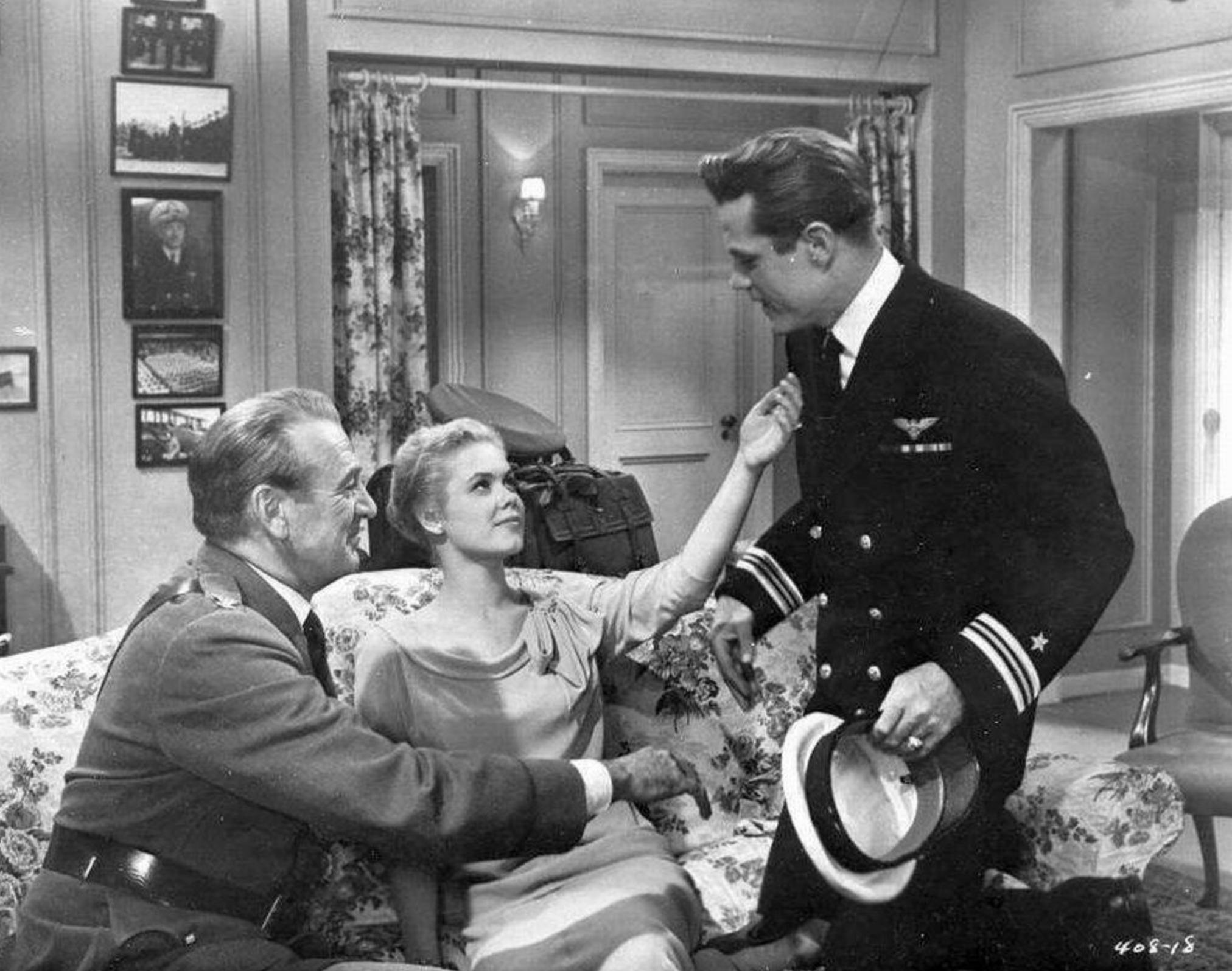
yanomami.net – “The Court-Martial of Billy Mitchell,” directed by Otto Preminger and released in 1955, is a powerful military drama film that explores the real-life story of General Billy Mitchell, a pioneering figure in American aviation history. The film delves into themes of courage, conviction, and the often-contentious relationship between innovation and military tradition.
Plot Overview
Set in the 1920s, the film chronicles the true story of Brigadier General Billy Mitchell (played by Gary Cooper), a World War I hero and a fervent advocate for air power. Mitchell becomes disillusioned with the U.S. military’s neglect of aviation, believing that air superiority is crucial for national defense. His outspoken criticism of the military’s leadership, particularly following a series of preventable air disasters, leads to his court-martial for insubordination.
Themes and Significance
The film is notable for its exploration of themes such as military bureaucracy, the resistance to change, and the personal sacrifices made in pursuit of progress. Billy Mitchell’s story is one of integrity and foresight, as he stands firm in his beliefs despite facing severe professional and personal consequences. His trial becomes a platform for debating the future of military aviation, highlighting the clash between traditionalists and visionaries.
Performance and Direction
Gary Cooper delivers a compelling performance as Billy Mitchell, embodying the character’s steadfast determination and moral courage. The supporting cast, including Charles Bickford, Ralph Bellamy, and Rod Steiger, adds depth to the courtroom drama. Otto Preminger’s direction ensures that the film maintains a tense and engaging narrative, effectively capturing the emotional and ideological stakes of the trial.
Historical Context
“The Court-Martial of Billy Mitchell” not only dramatizes an important chapter in military history but also mirrors the broader cultural changes of the 1950s. During this period, America was grappling with the implications of technological advancements and the Cold War. The film’s depiction of Mitchell’s fight for innovation resonates with audiences who were witnessing rapid developments in science and technology.
Legacy
While the film was met with mixed reviews upon its release, it has since gained recognition for its historical significance and for shedding light on the contributions of Billy Mitchell to modern military strategy. His advocacy for air power laid the groundwork for future developments in aviation and military tactics, making him a prescient figure in American military history.
Conclusion
“The Court-Martial of Billy Mitchell” remains a poignant and thought-provoking film that underscores the importance of visionary thinking and the courage to challenge the status quo. It serves as a reminder of the sacrifices made by individuals who dare to defy convention in pursuit of progress, and it continues to inspire debates about the role of innovation in shaping the future.